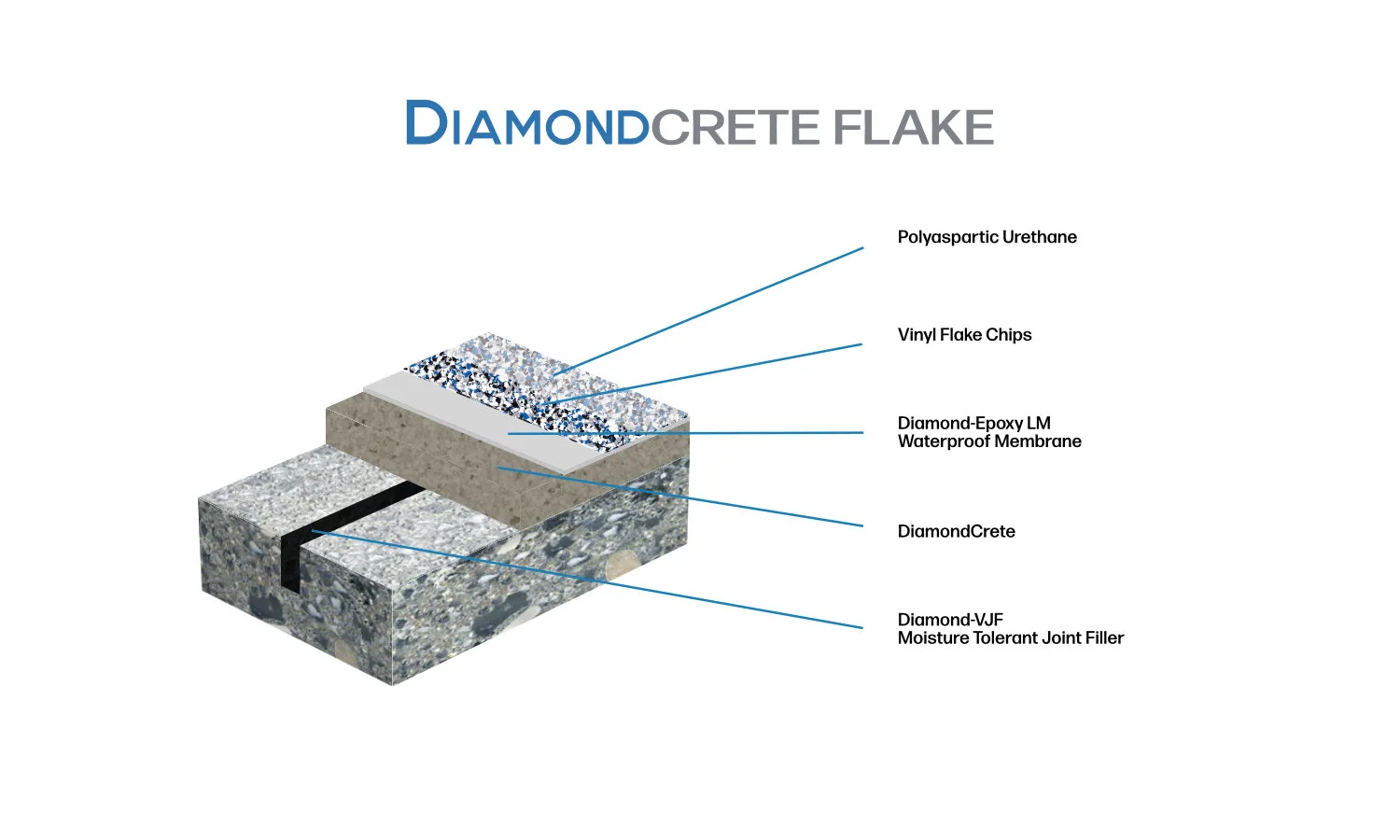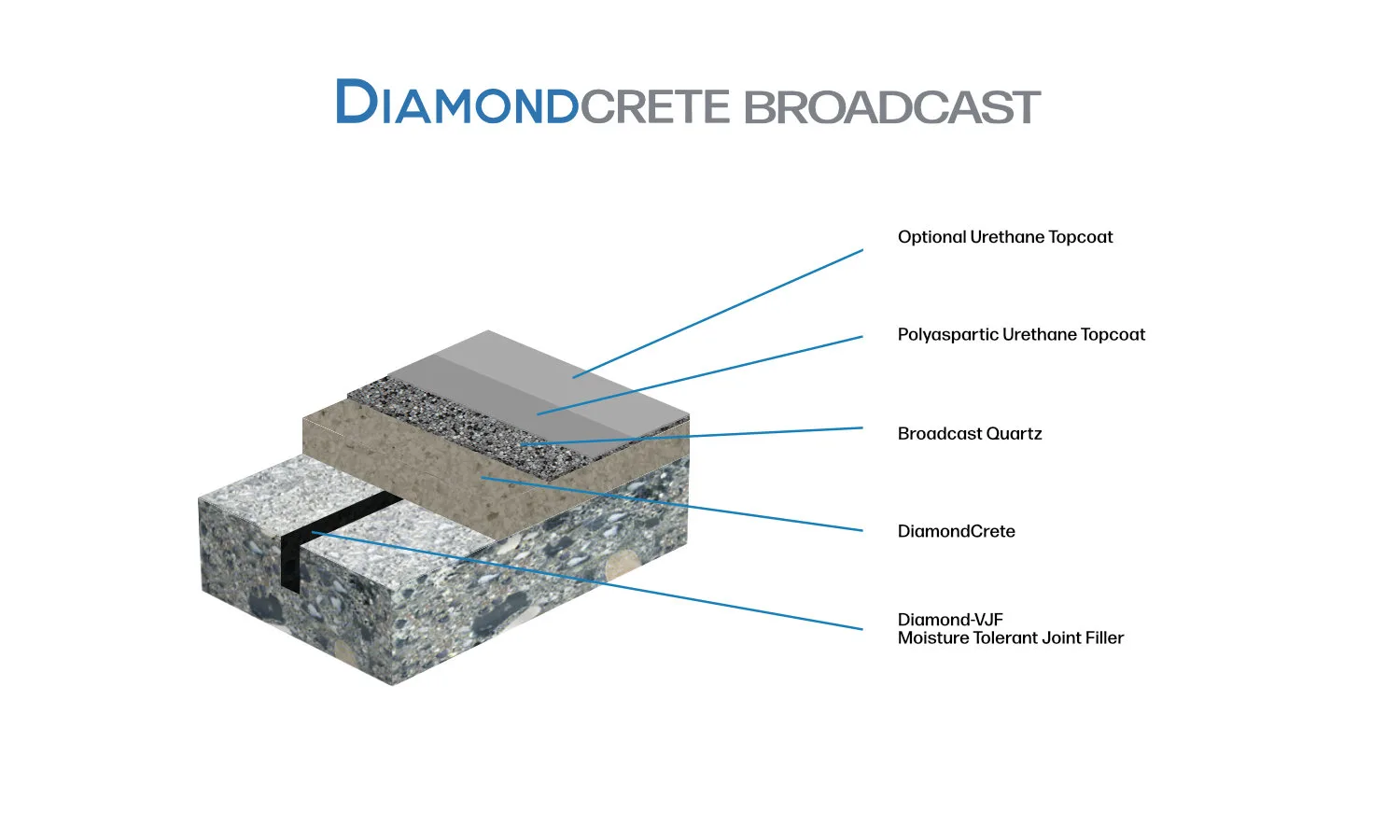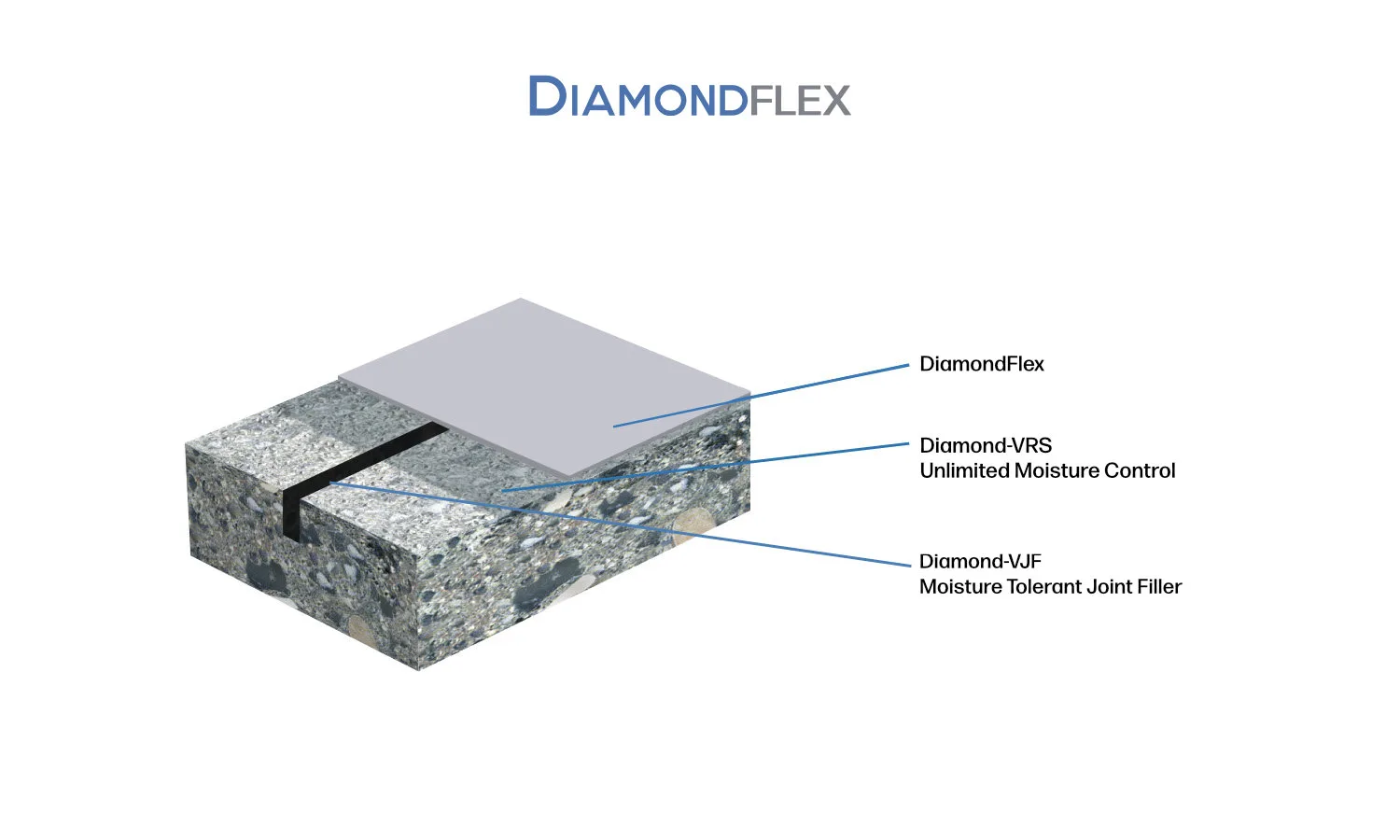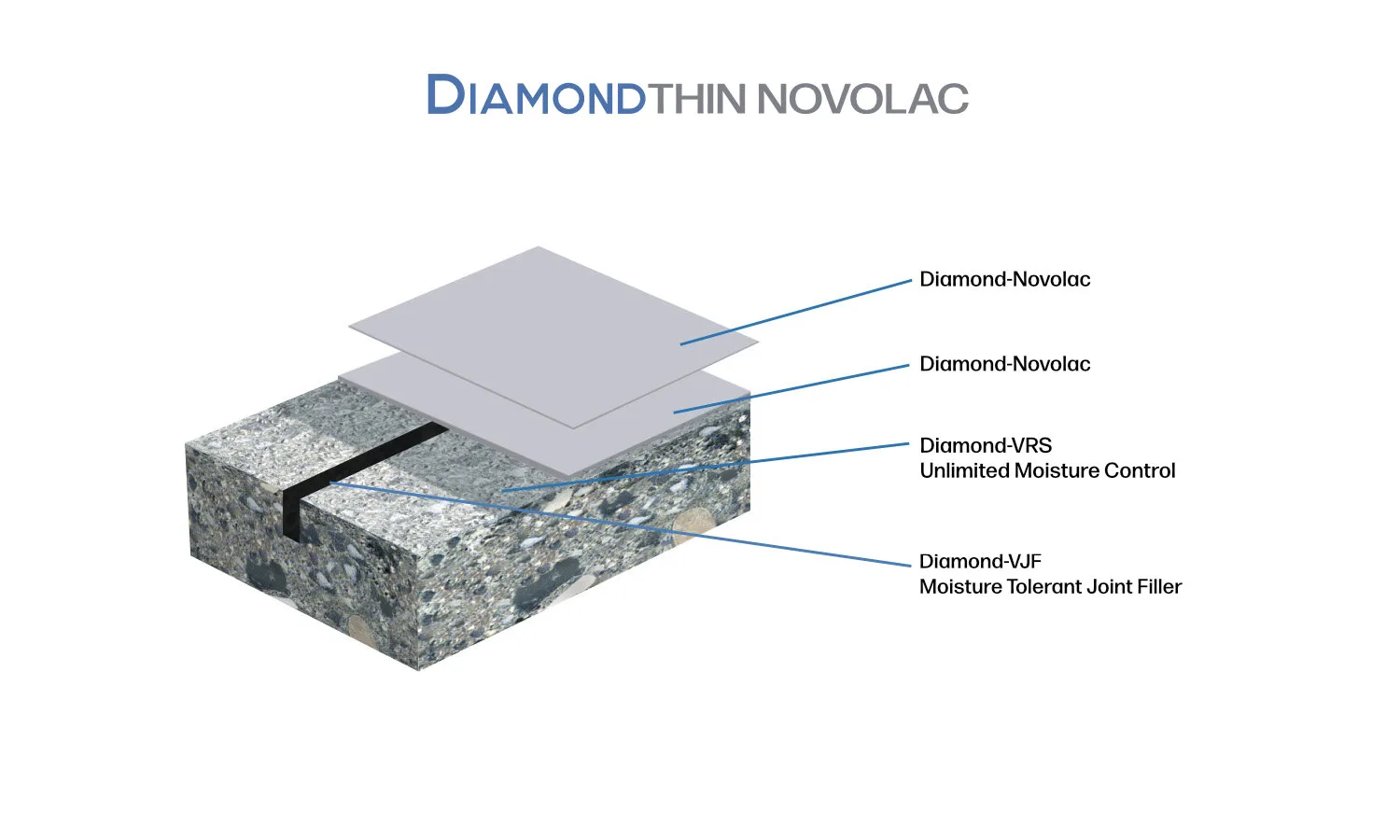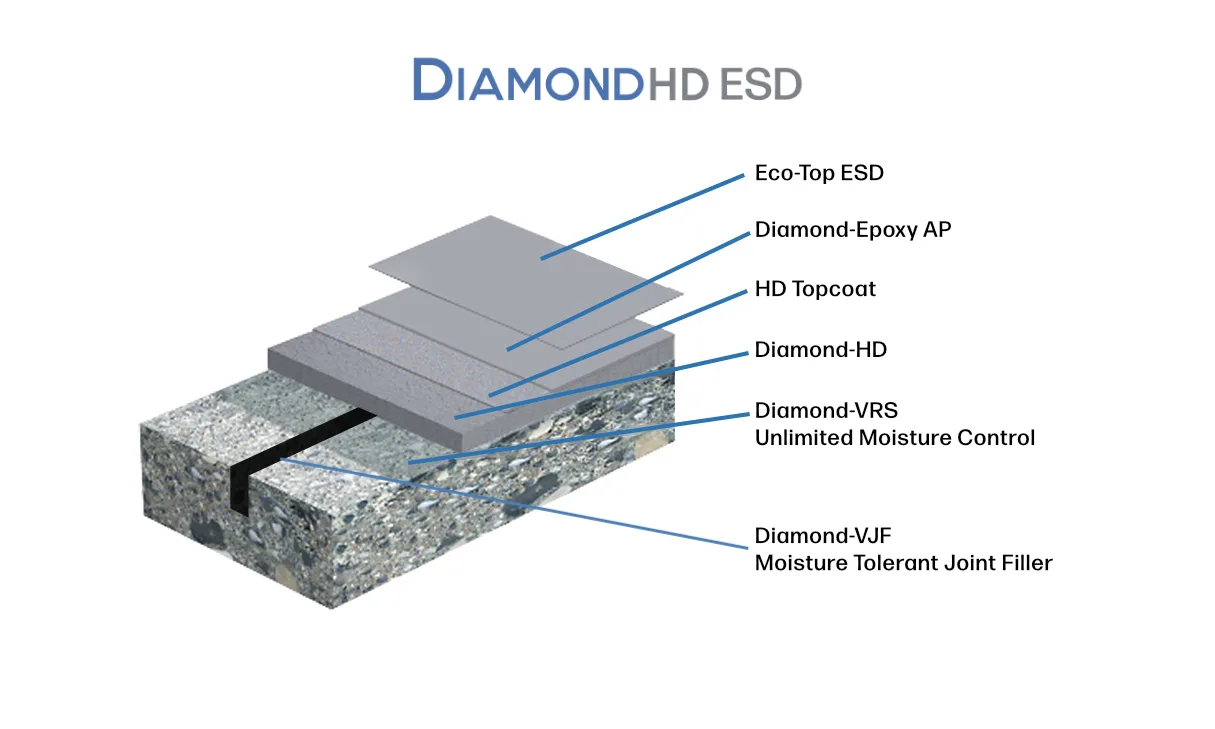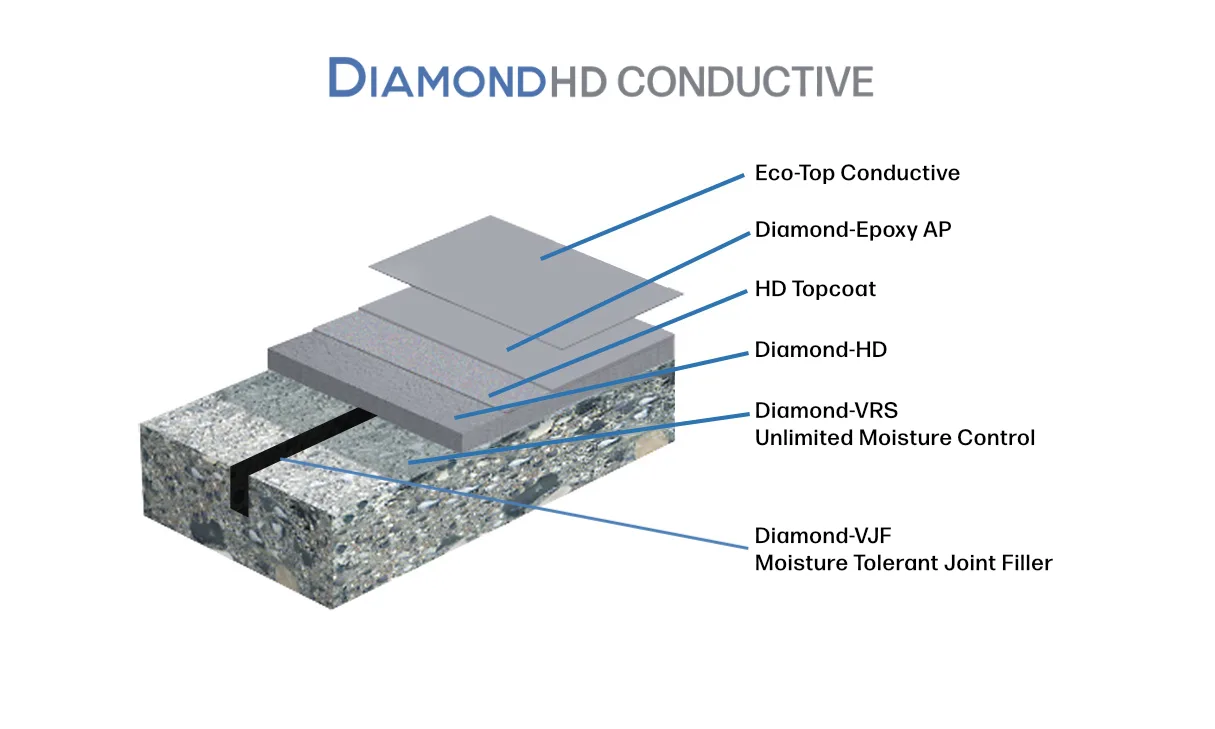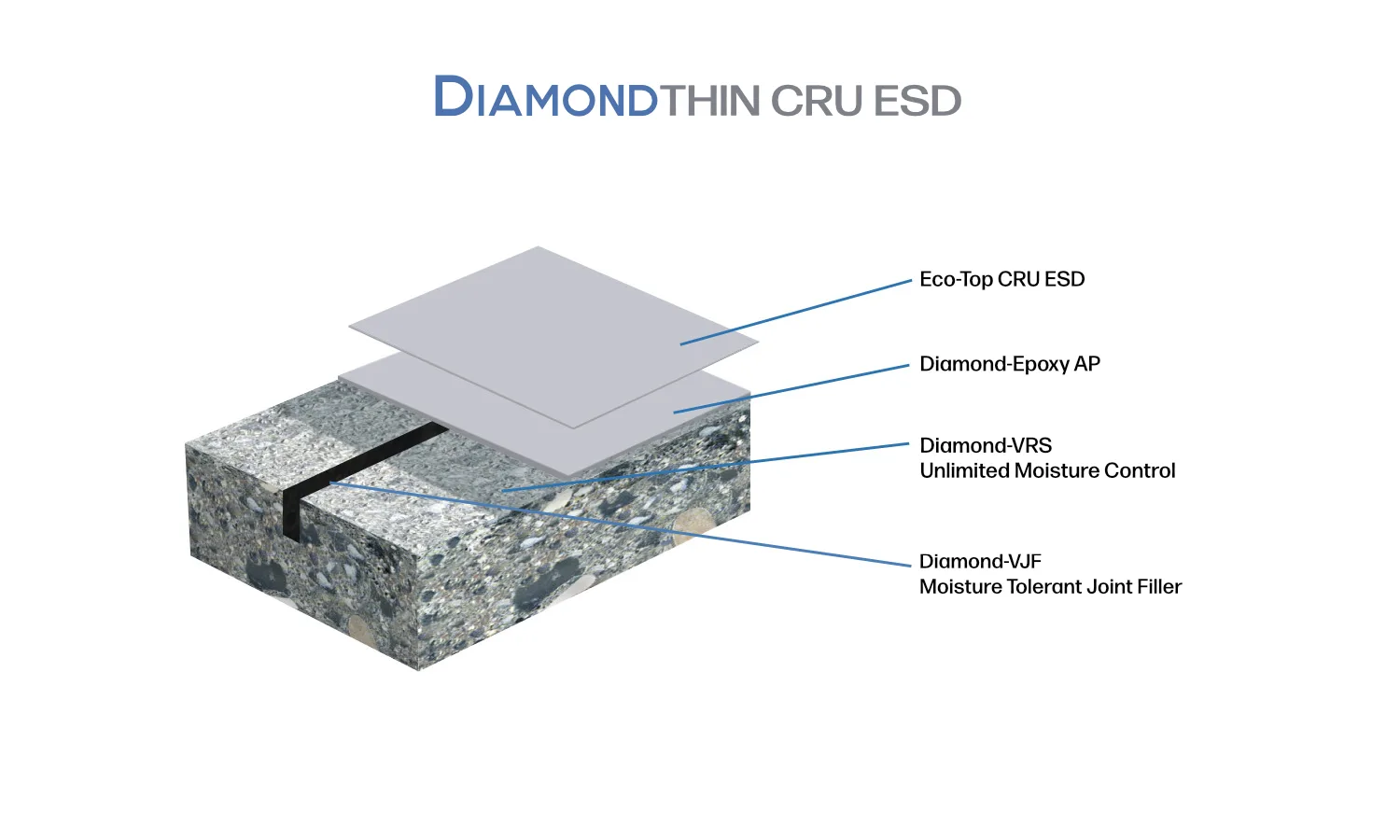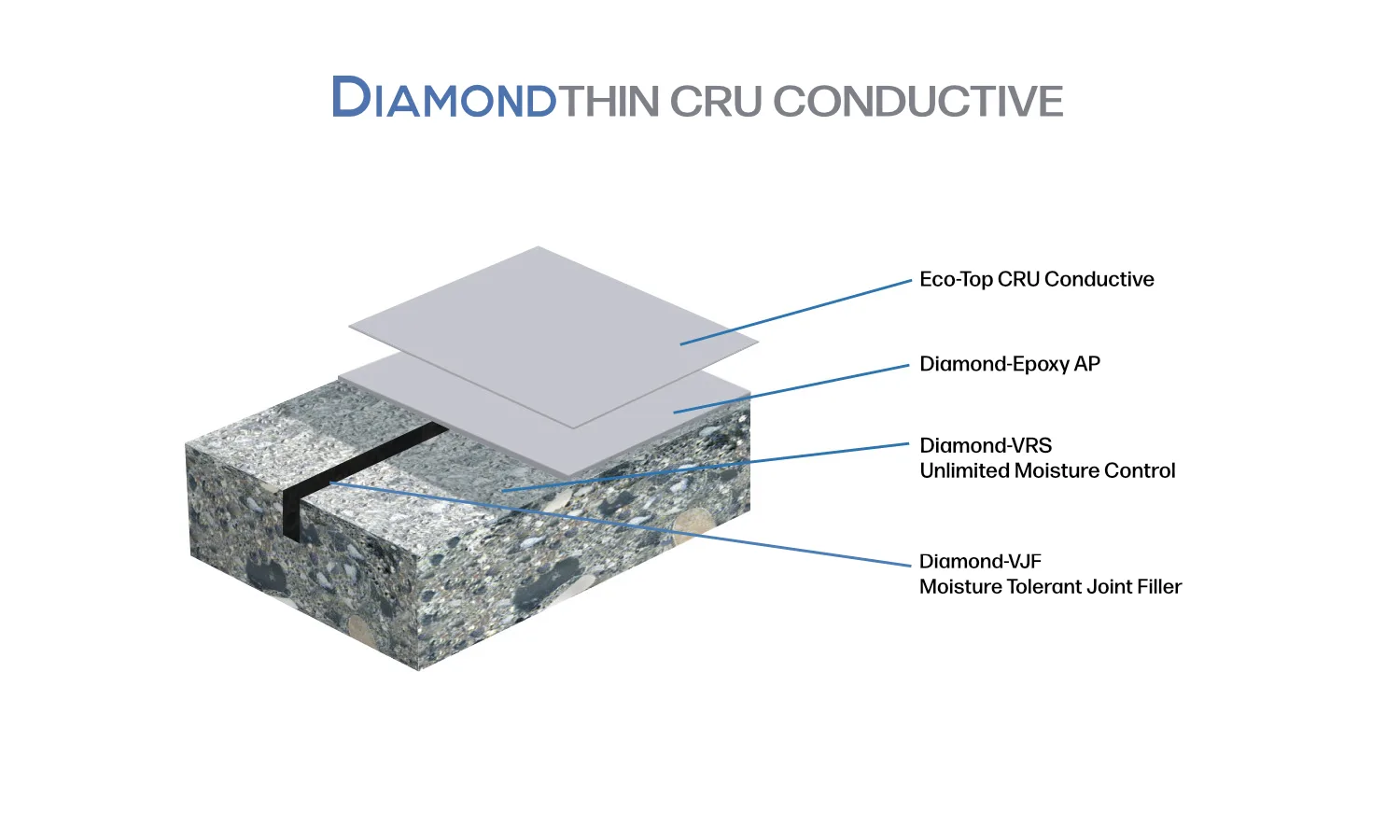

WHAT IF WATER COULD DISSOLVE YOUR EPOXY FLOOR?
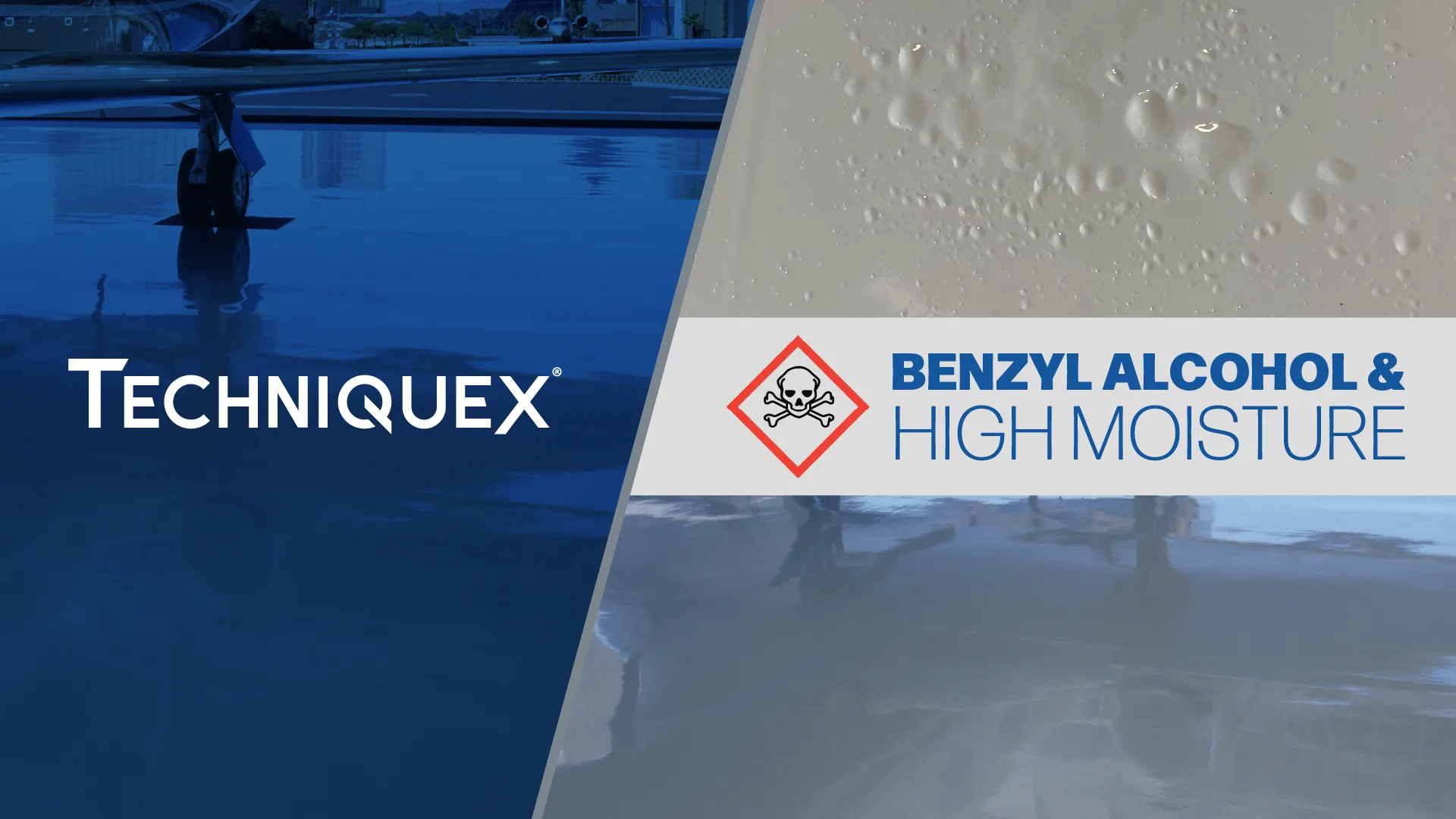
100% solids epoxy is not 100% epoxy. Benzyl alcohol is an additive used in almost all epoxies, epoxy primers and moisture control primers. It is a slow evaporating solvent, and therefore, does not contribute to the overall VOC load. Because of this, Benzyl Alcohol is classed as a solid despite being a solvent.
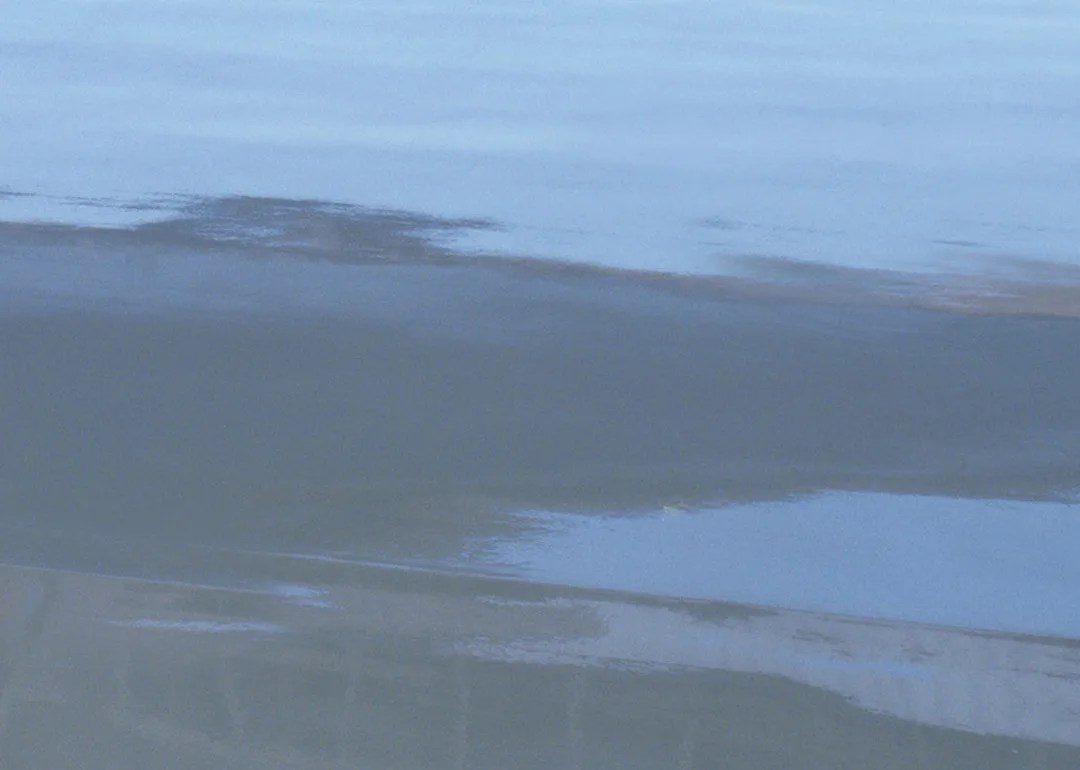
Moisture vapor emissions tests provide data representing a snapshot in time, but the moisture conditions can change before or after installation. If moisture levels become elevated after testing or installation, primers containing benzyl alcohol can dissolve, leaching into and contaminating the slab below.
Once concrete is contaminated, it cannot be reliably recoated. The only known cure is to replace the concrete entirely.
In our opinion this is responsible for the majority of moisture failures.

Still Unclear Which is Your Facility Solution?
Get a complimentary consultation from the most trusted resinous flooring contractor.