At Techniquex, we believe flooring failures are preventable, and that prevention requires a succession of deliberate steps.
1. Choose the right system for the environment.
The first step is understanding how the floor will be used and what it will be exposed to.
We request safety data sheets for chemicals used in the installation area and review the anticipated exposure. We also consider traffic, impact, temperature changes, and cleaning procedures to select a flooring system suited to the actual operating environment.
Even a properly installed floor can fall short if the wrong system was selected.
2. Understand what is beneath the floor.
In existing facilities, we evaluate the underlying concrete for contamination that could interfere with adhesion. Oils, chemicals, and residues must be identified and addressed before installation.
We also assess the condition of the concrete, including cracks, damaged areas, and previous repairs.
Covering a problem does not eliminate it. A dependable installation begins with a sound substrate.
3. Protect the surrounding facility.
Before preparation and installation begin, we protect adjacent walls, equipment, and finishes.
A successful flooring installation includes taking care of the entire work area so that surrounding finishes look as they did when we arrived.
4. Mechanically prepare the concrete.
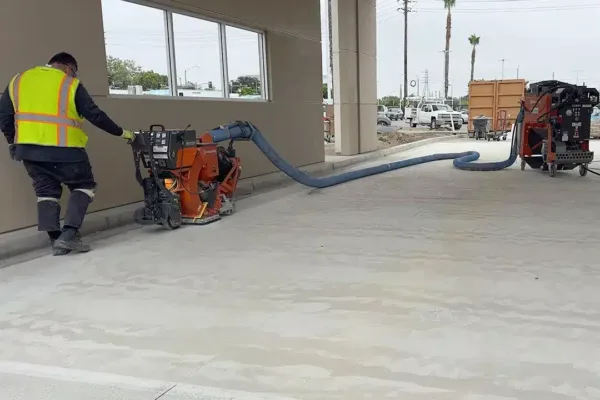
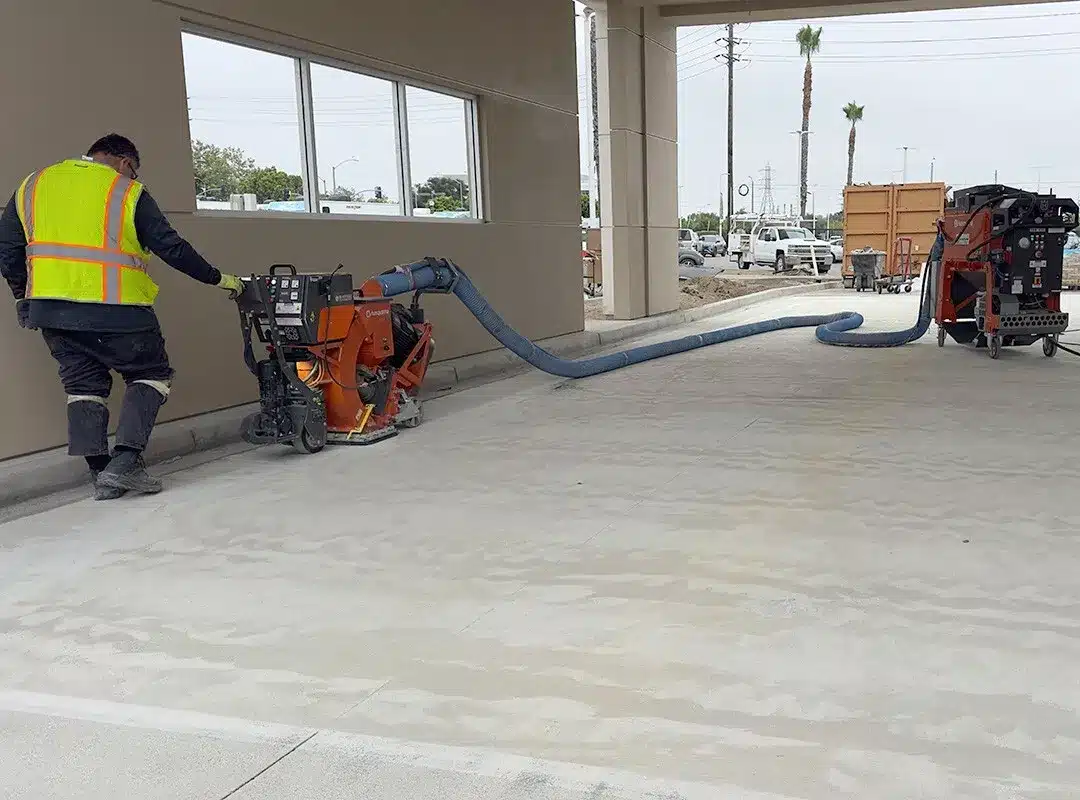
We use shot blasting wherever possible, supplemented by diamond grinding at edges, in inaccessible areas, and where appropriate for the system.
Our approach relies on mechanical preparation to create the surface profile the flooring needs to bond properly. Dust and debris are then thoroughly removed before materials are applied.
We do not substitute a less expensive preparation method simply to reduce the installation price. The bond to the concrete is too important to compromise.
5. Address joints, cracks, drains, and transitions.
These details deserve deliberate attention because they are common locations for flooring problems to develop.
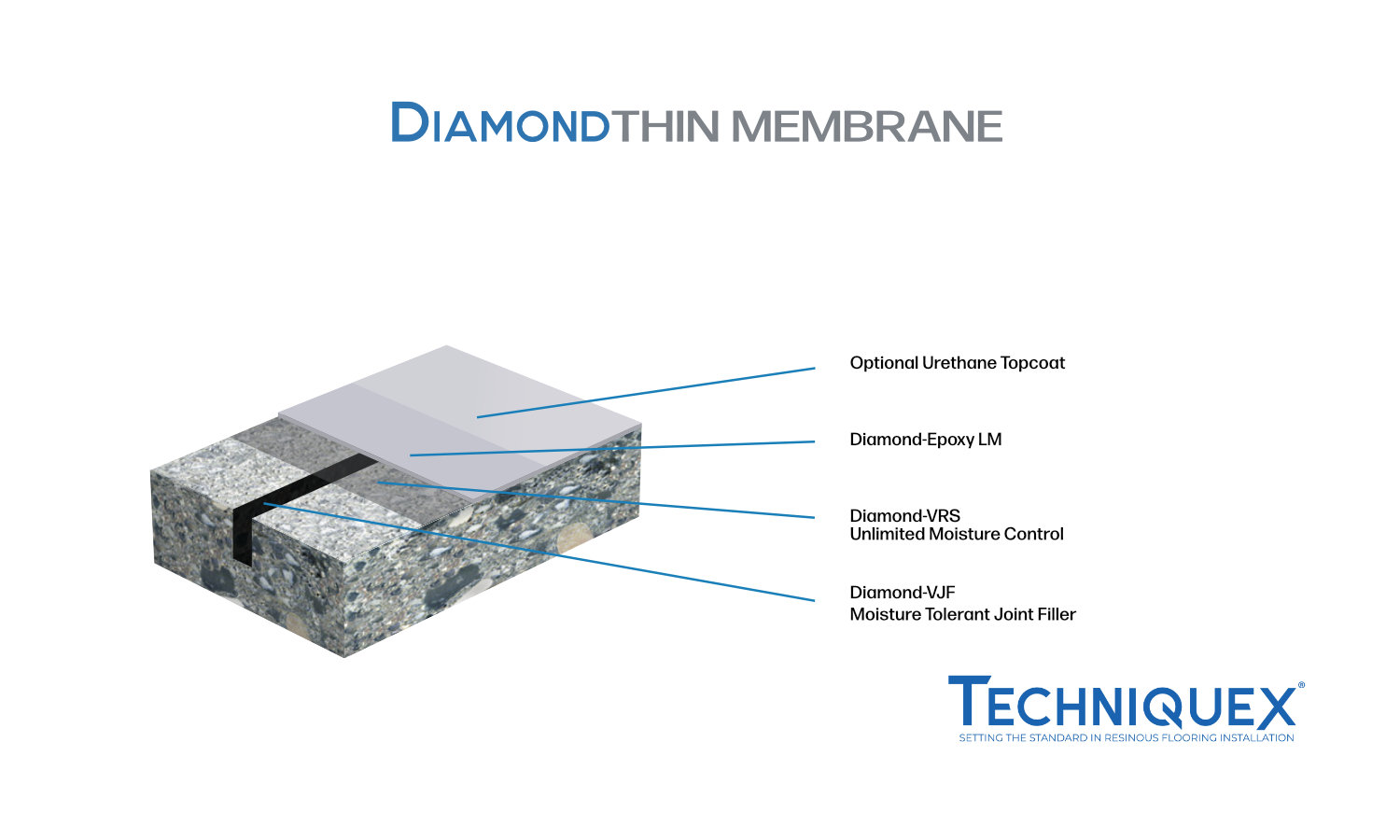
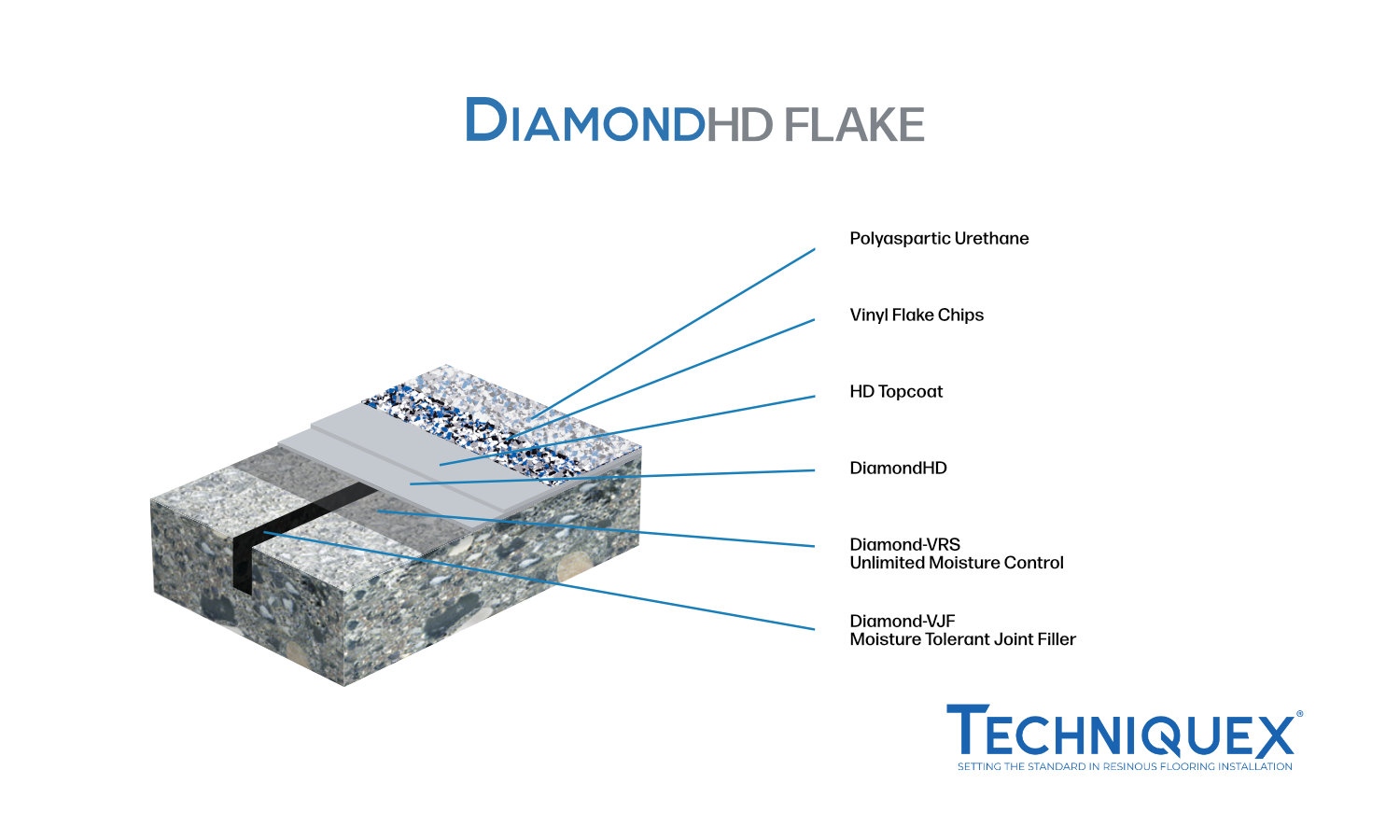
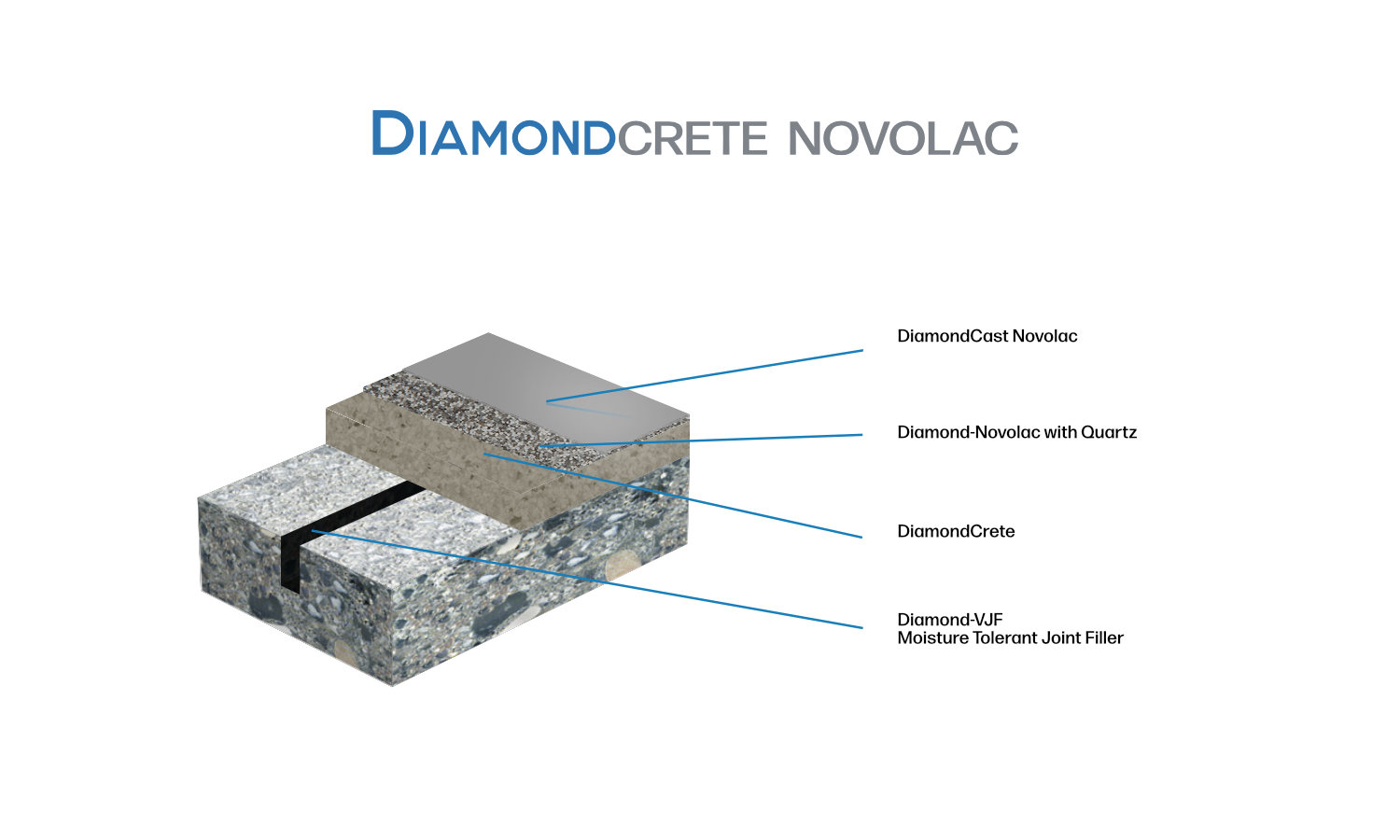
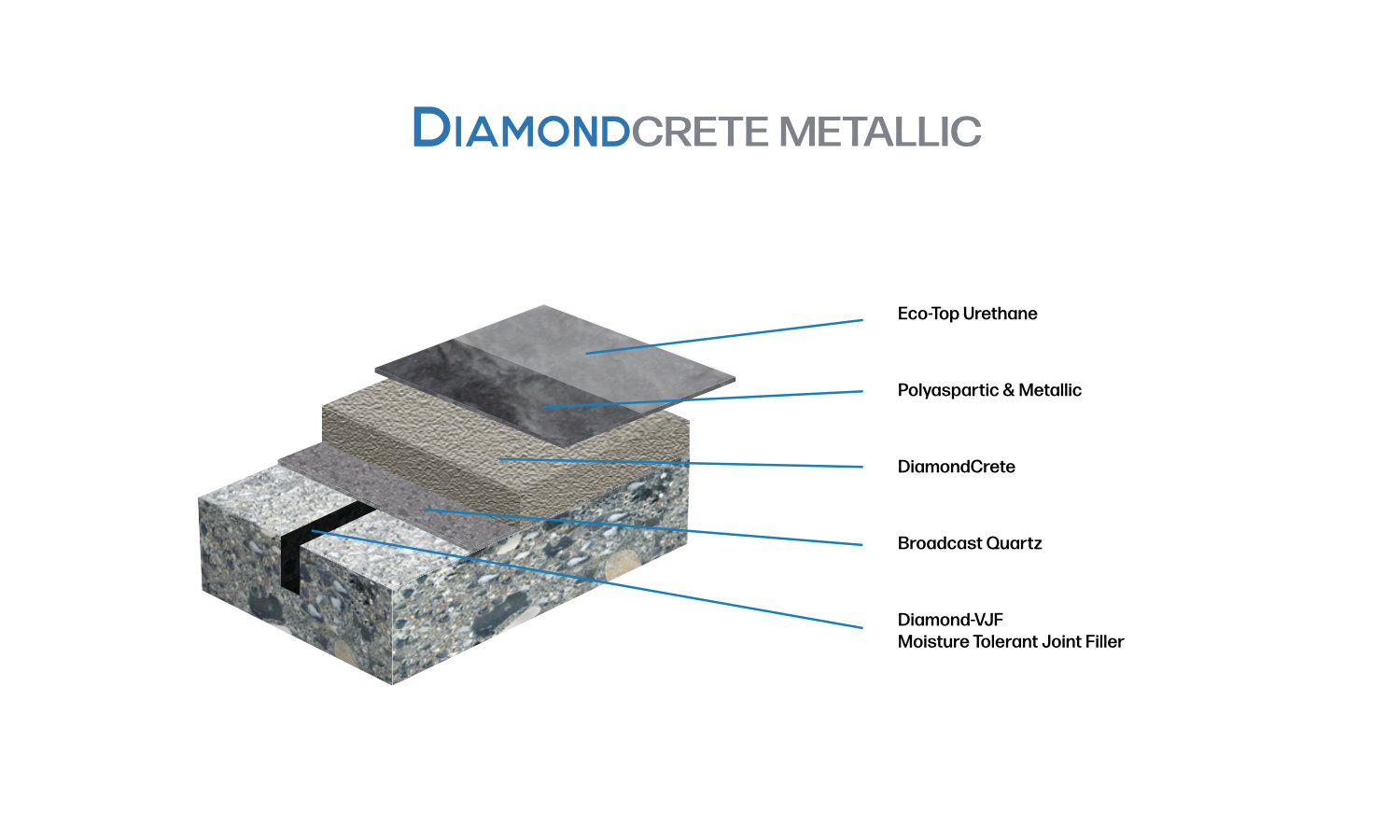
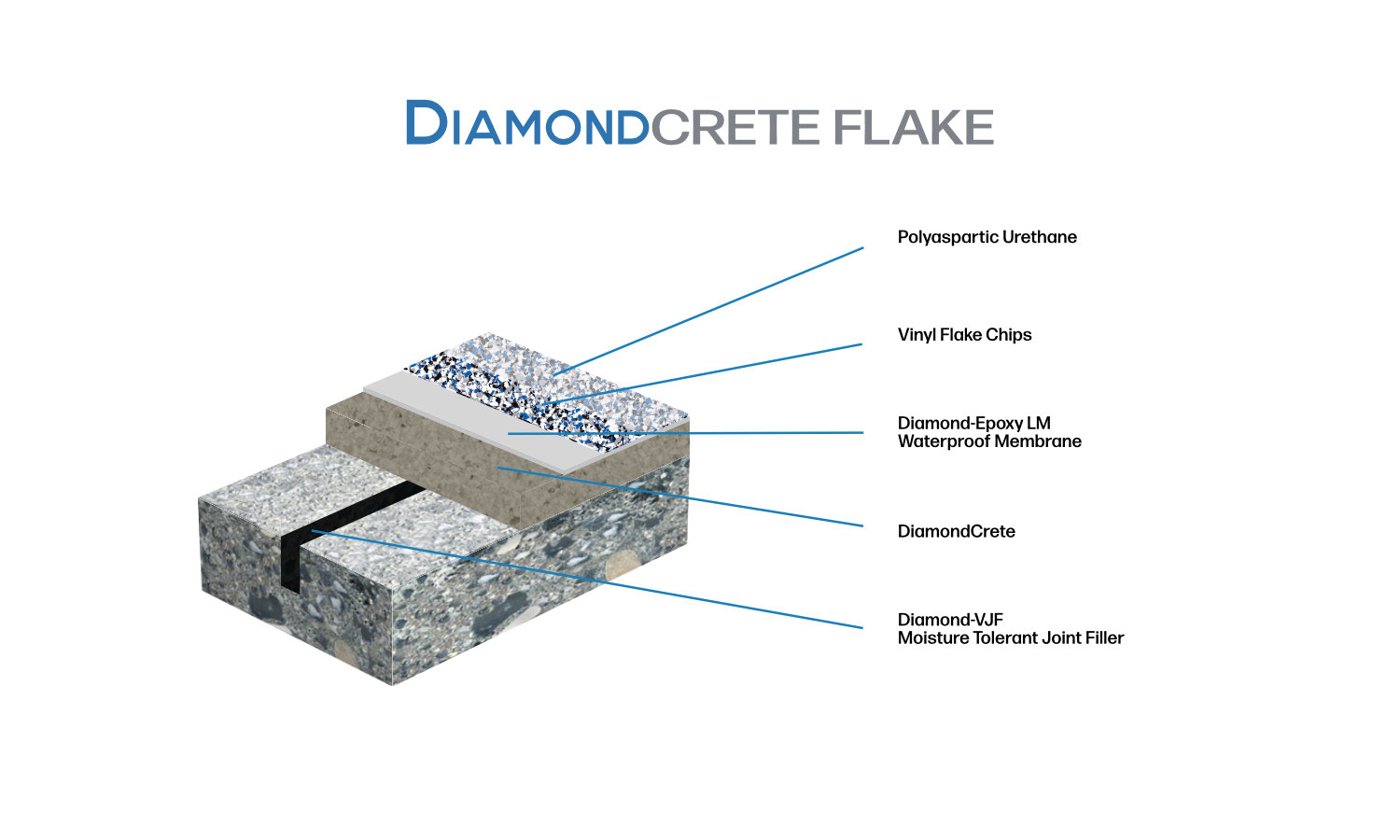
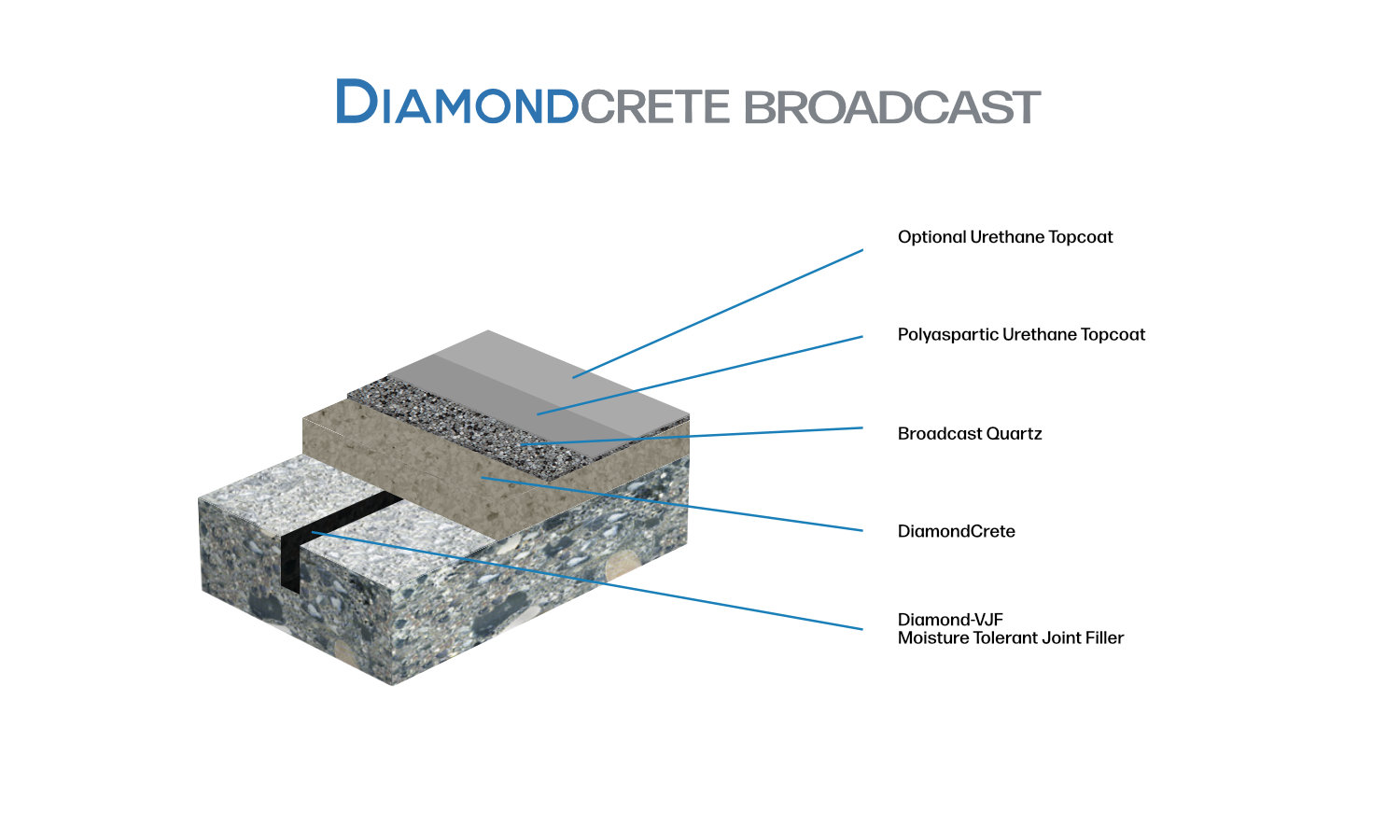
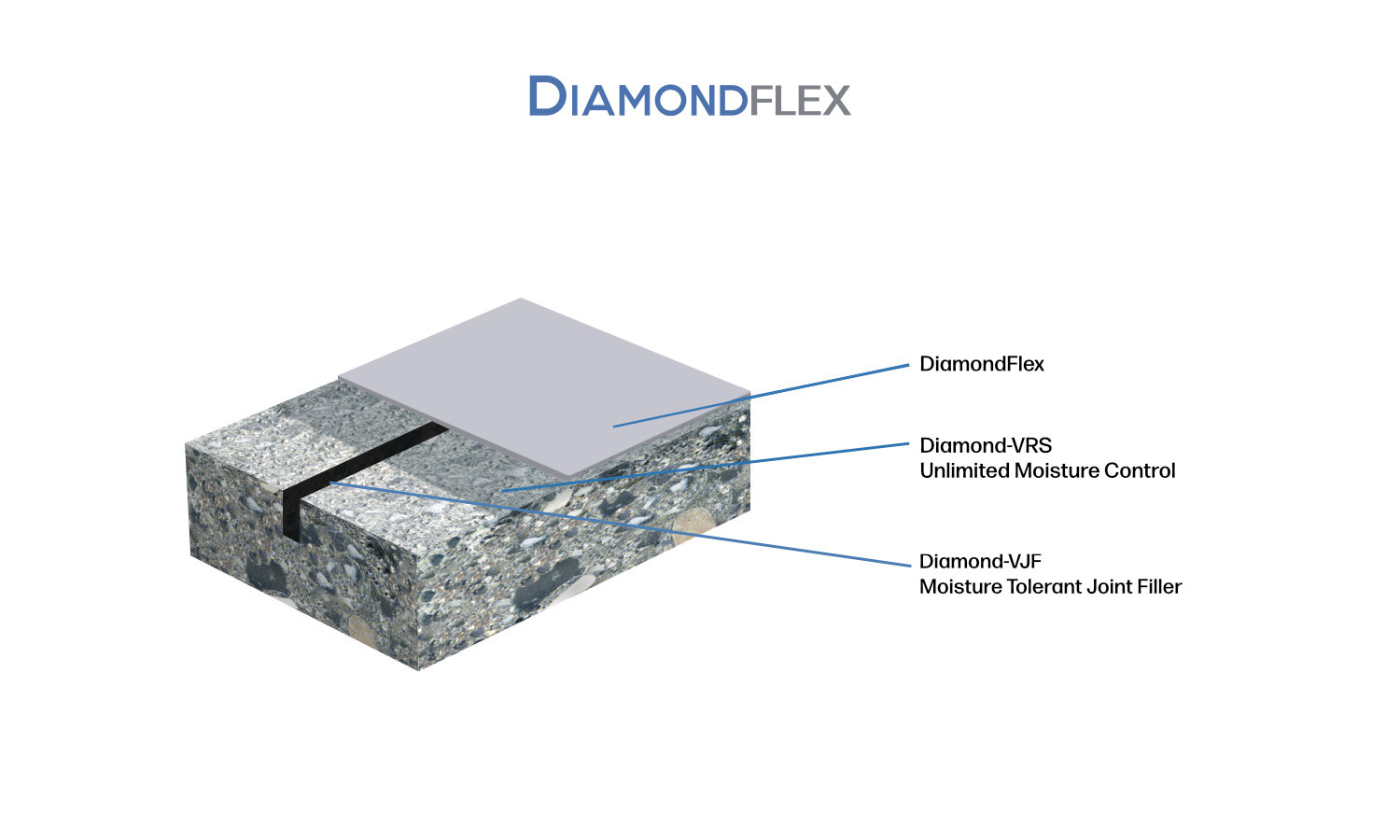
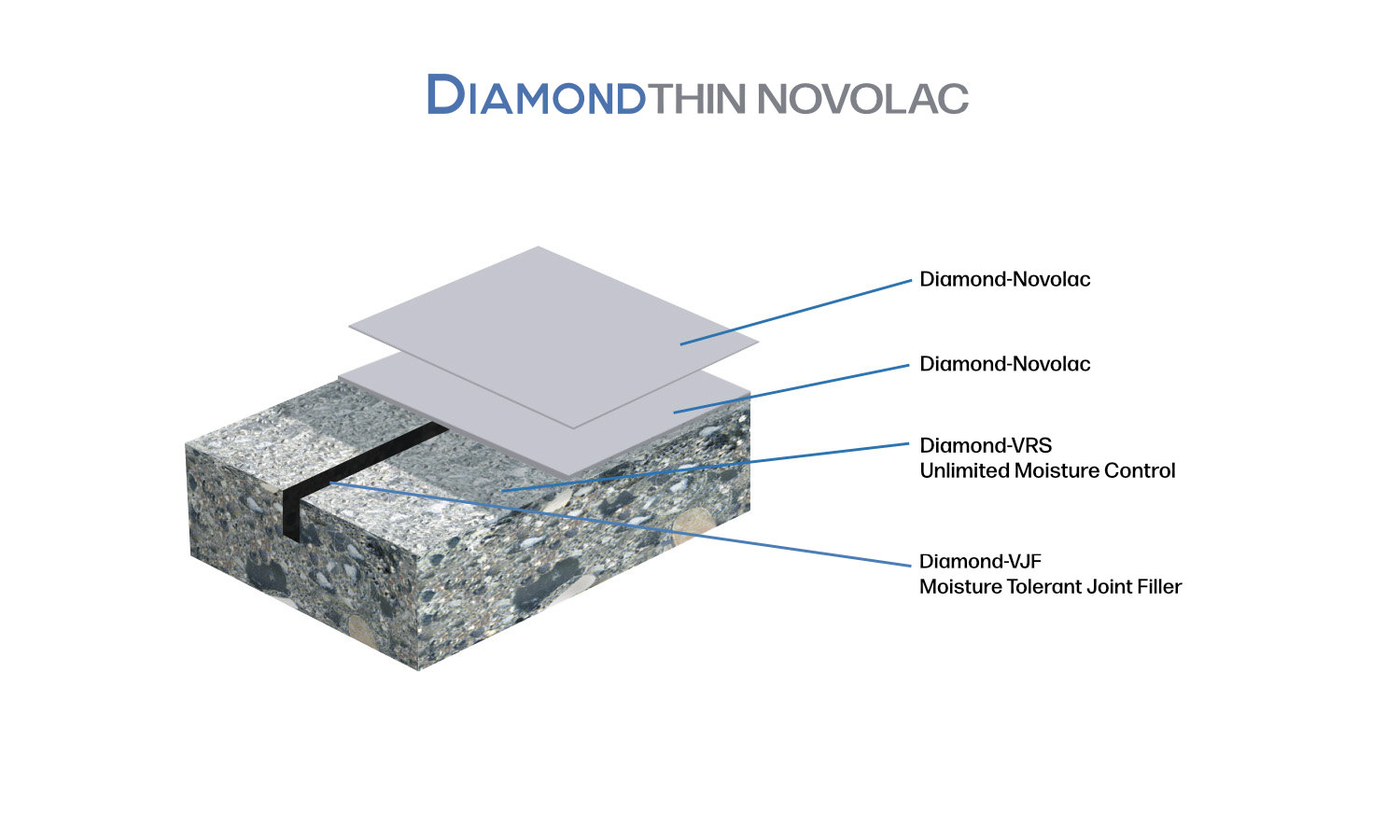
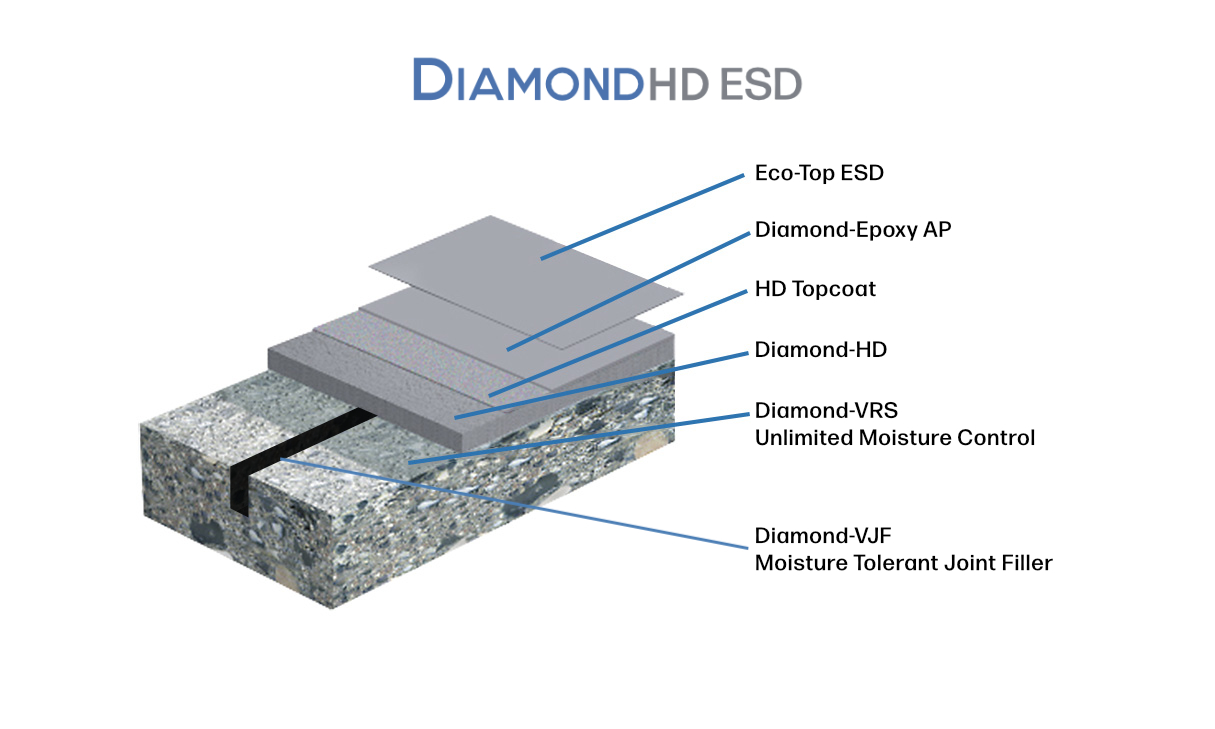
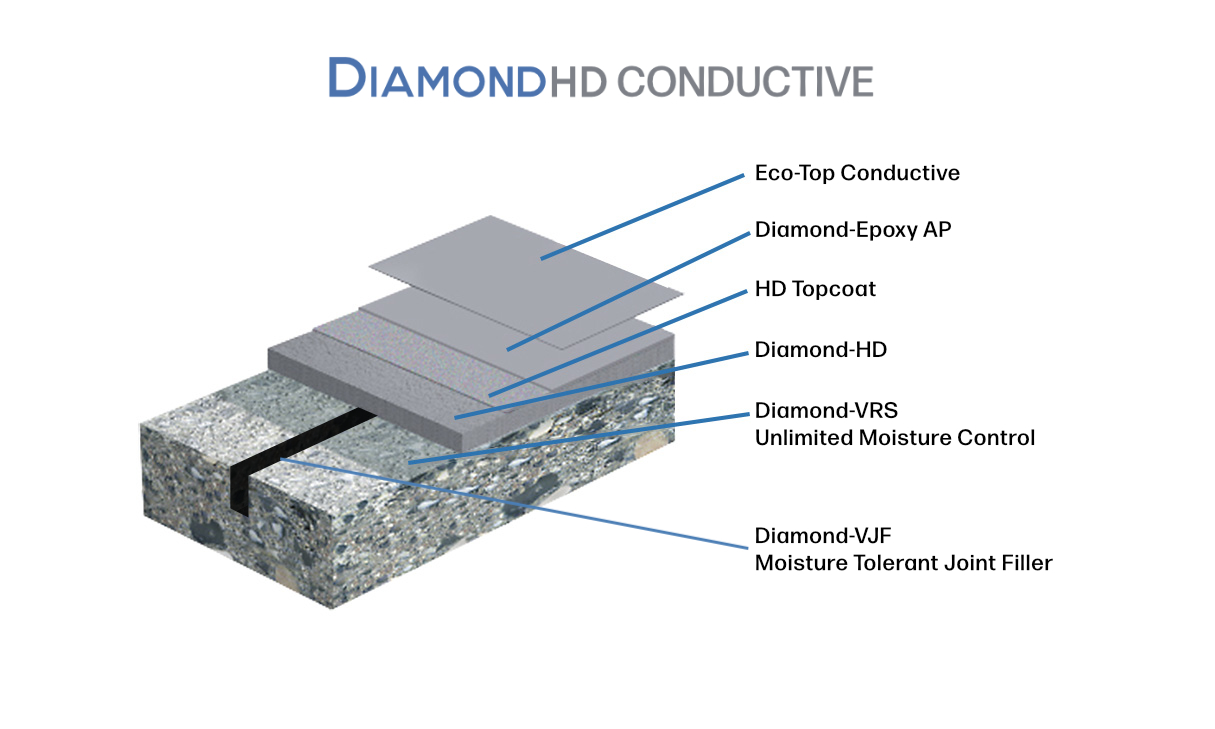
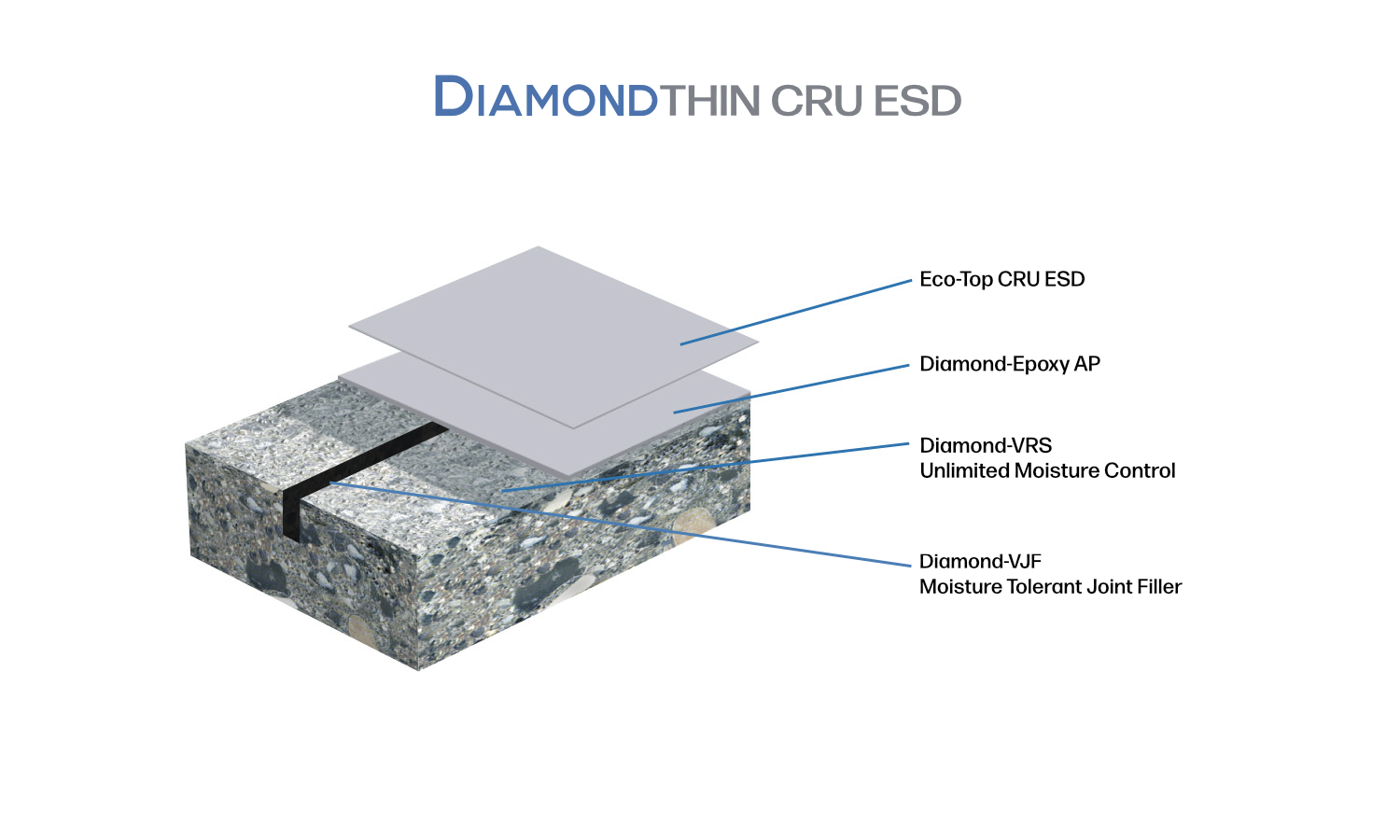
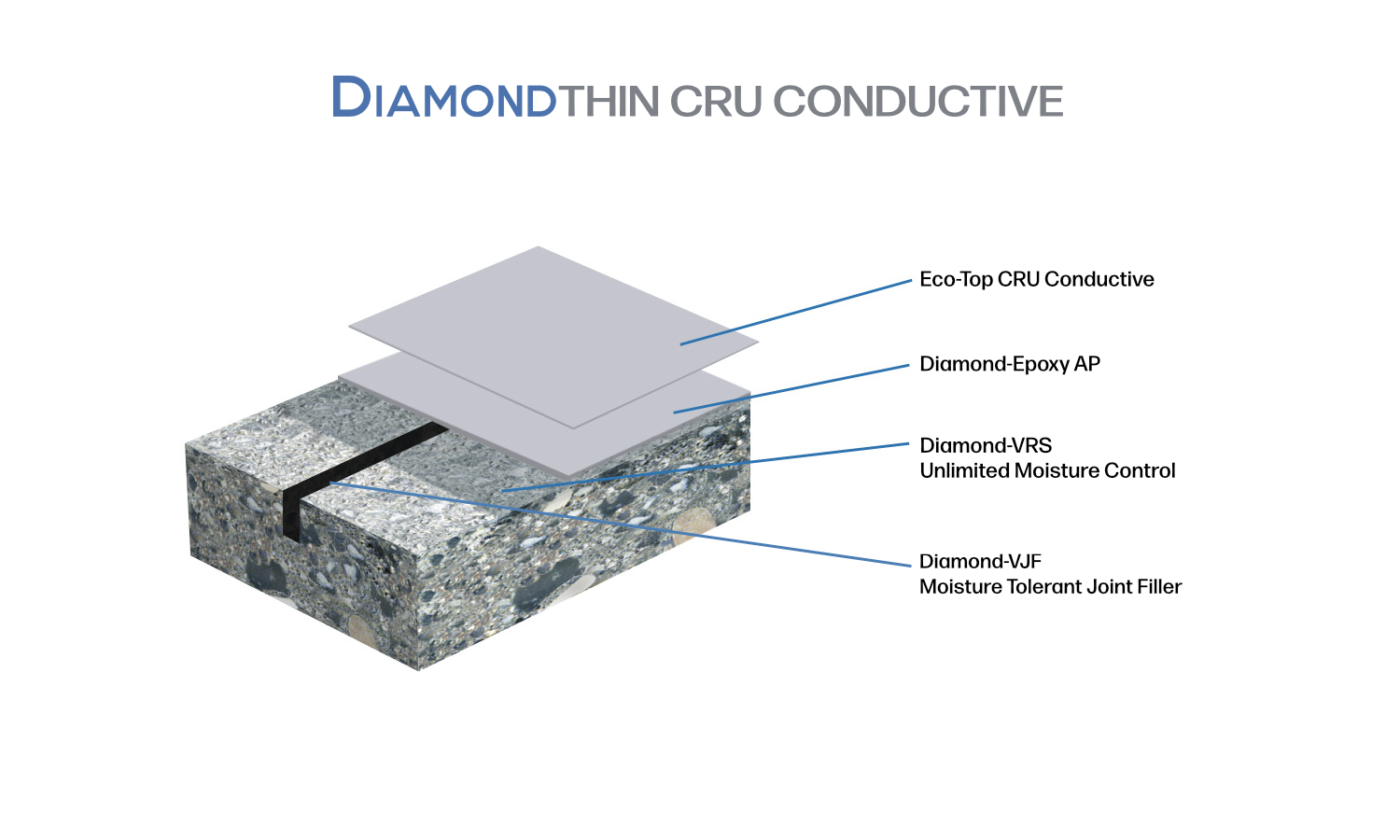
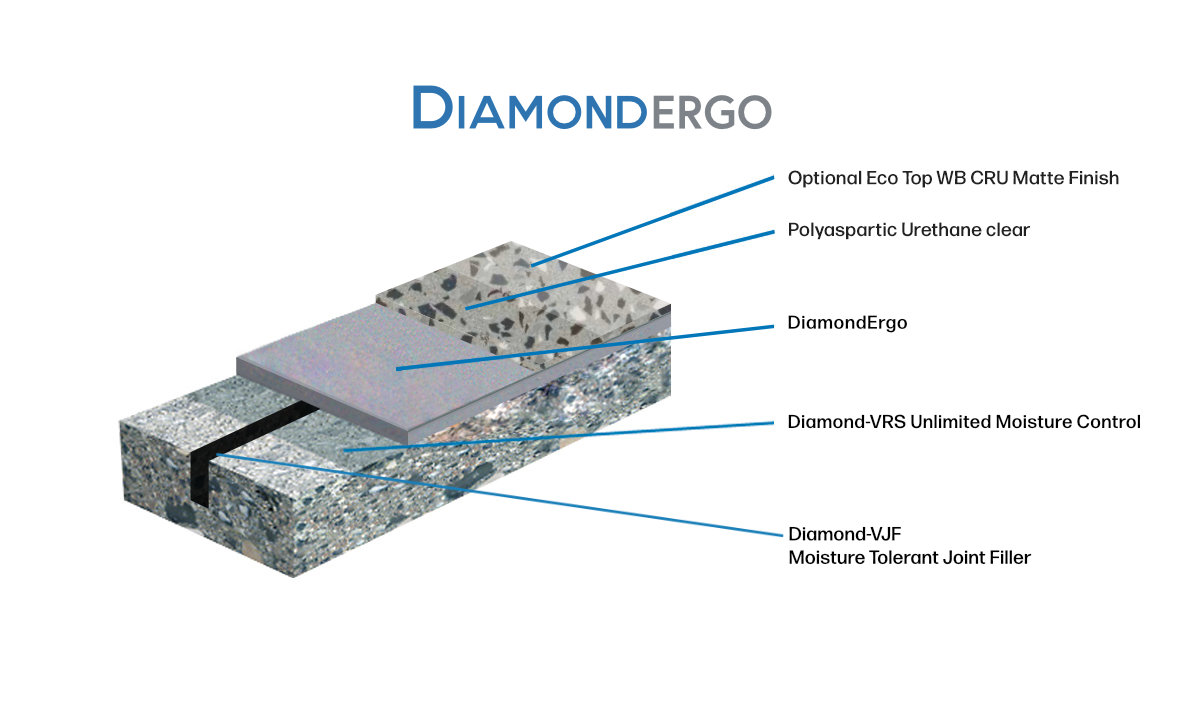
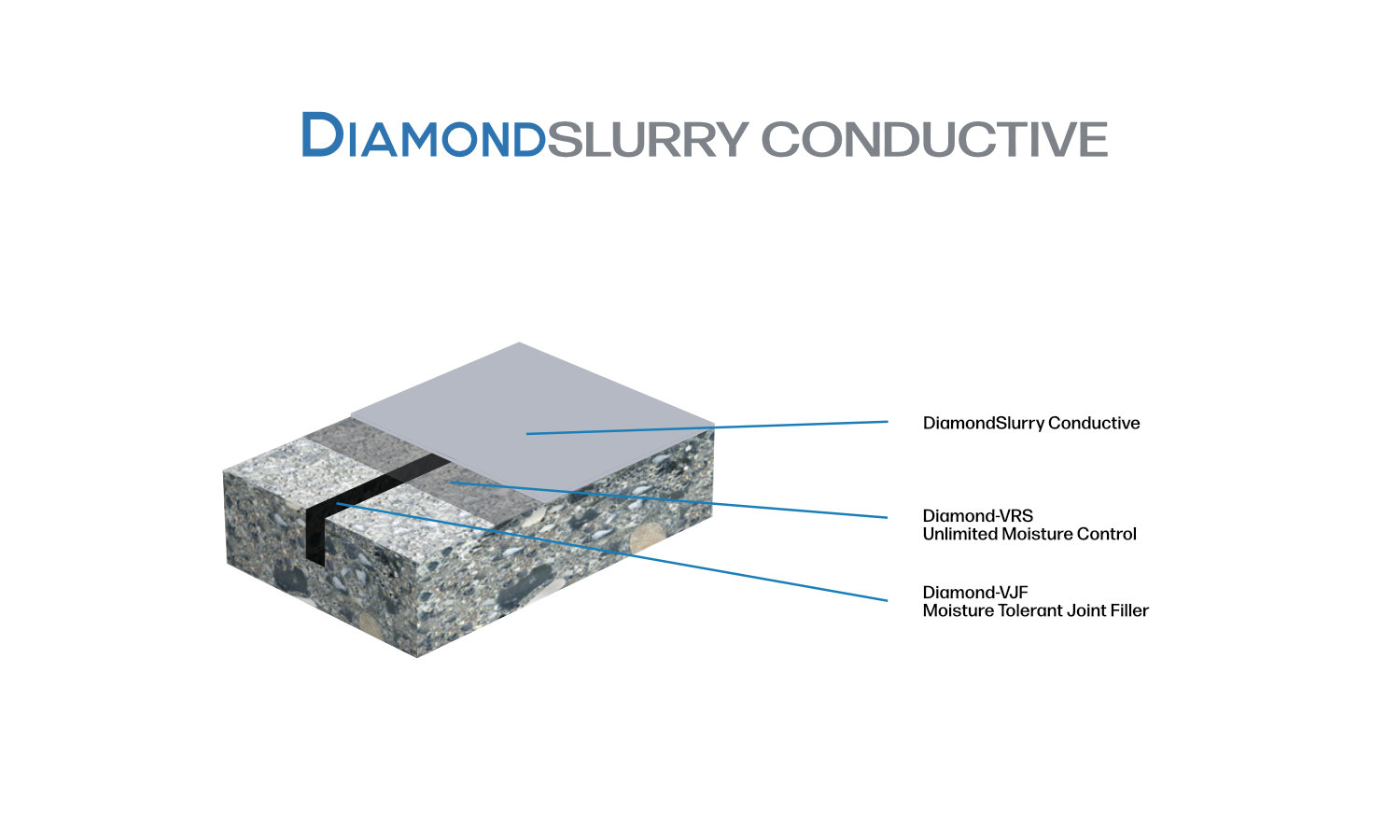
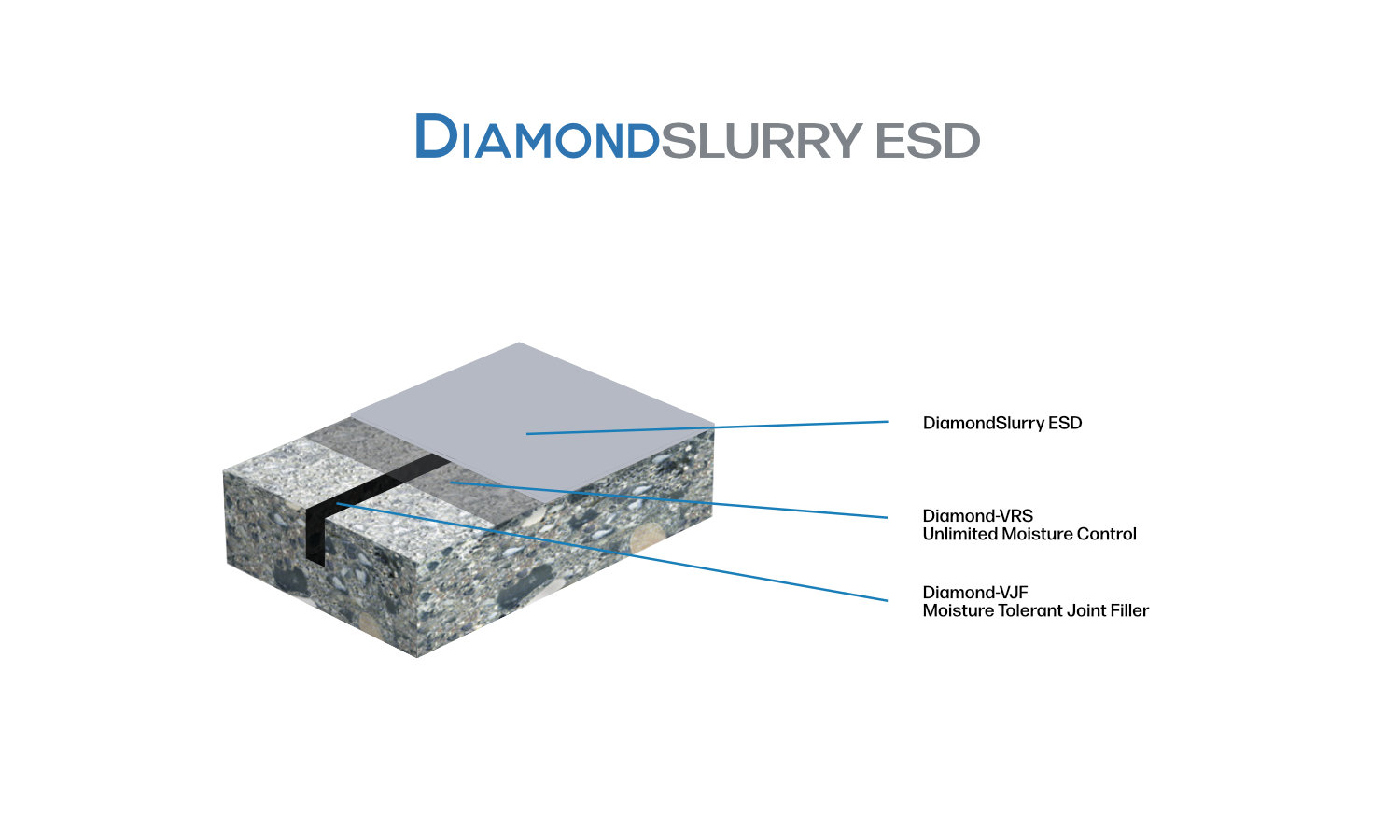
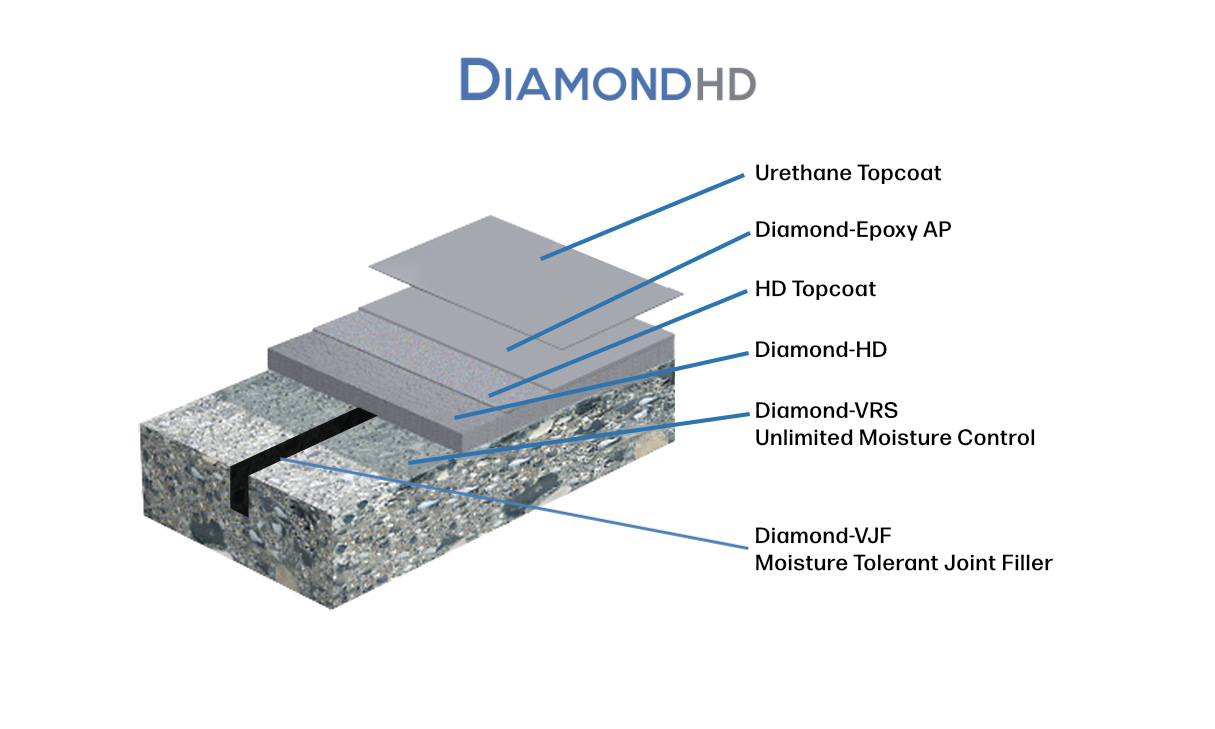
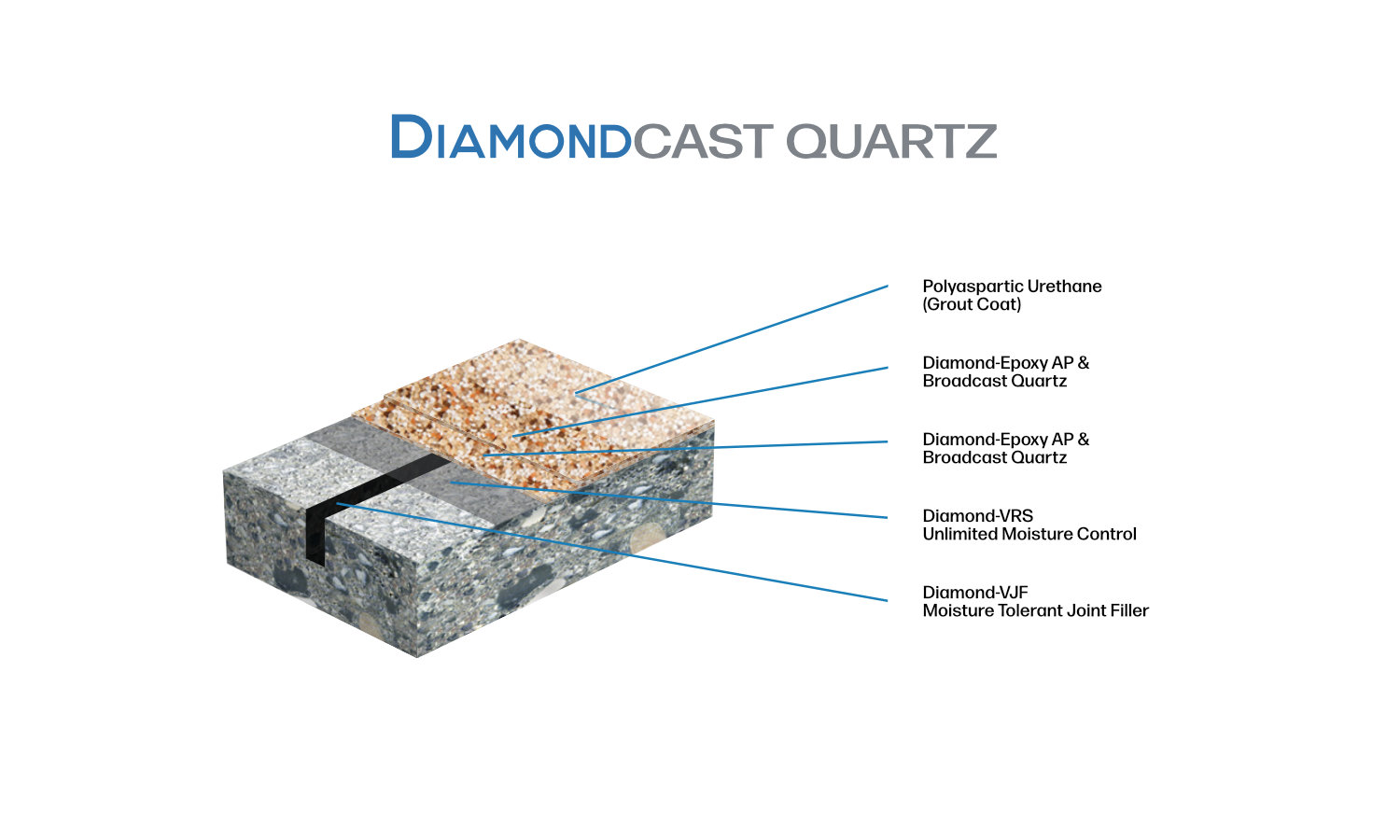
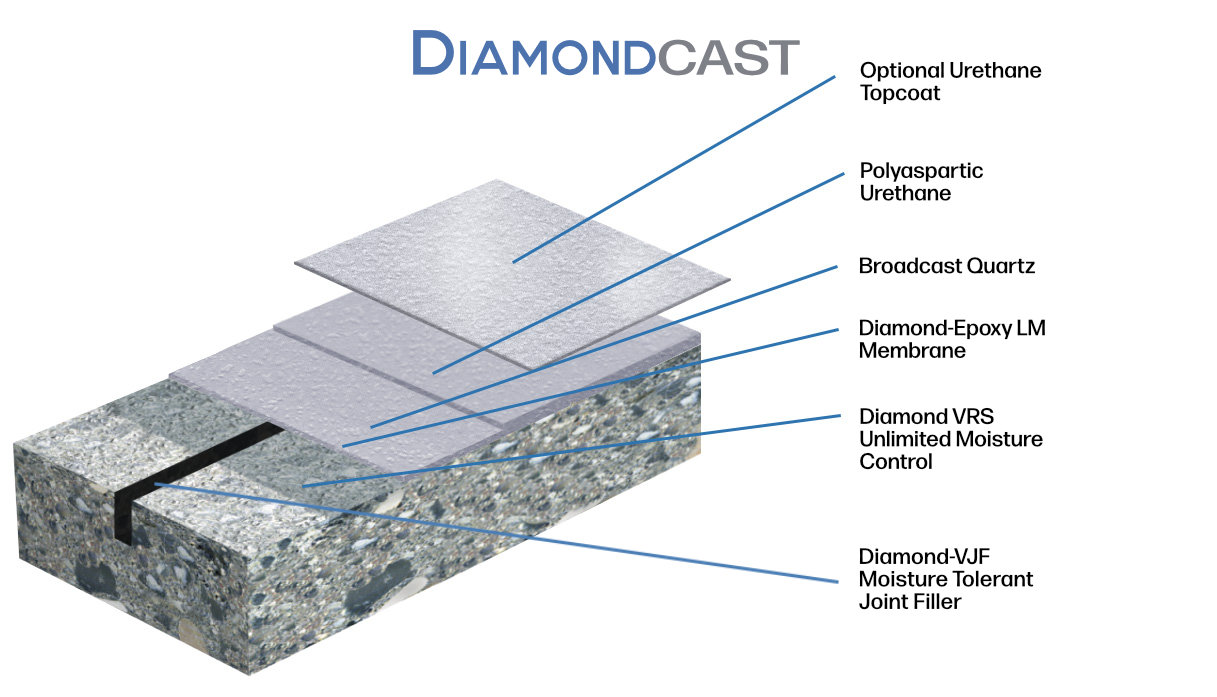
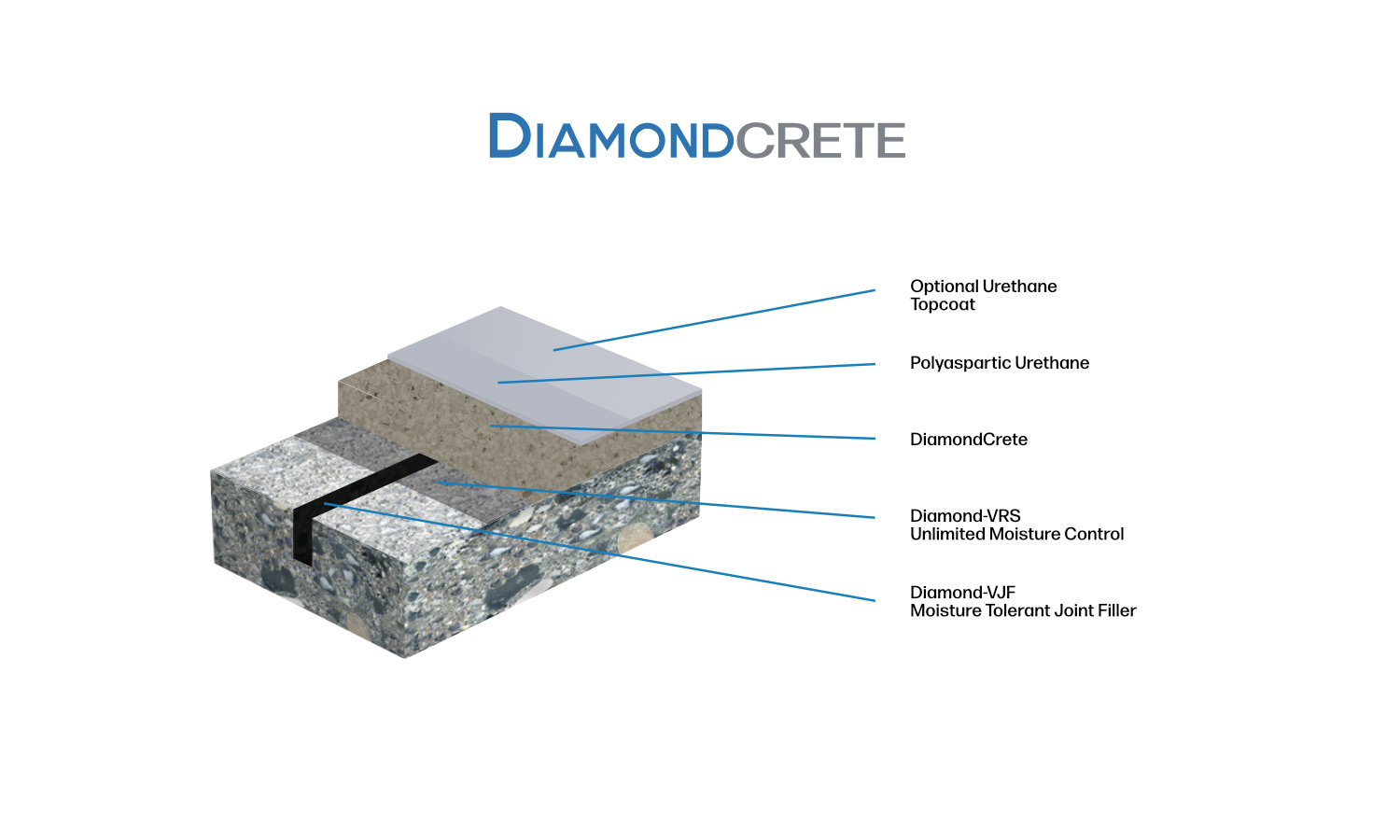
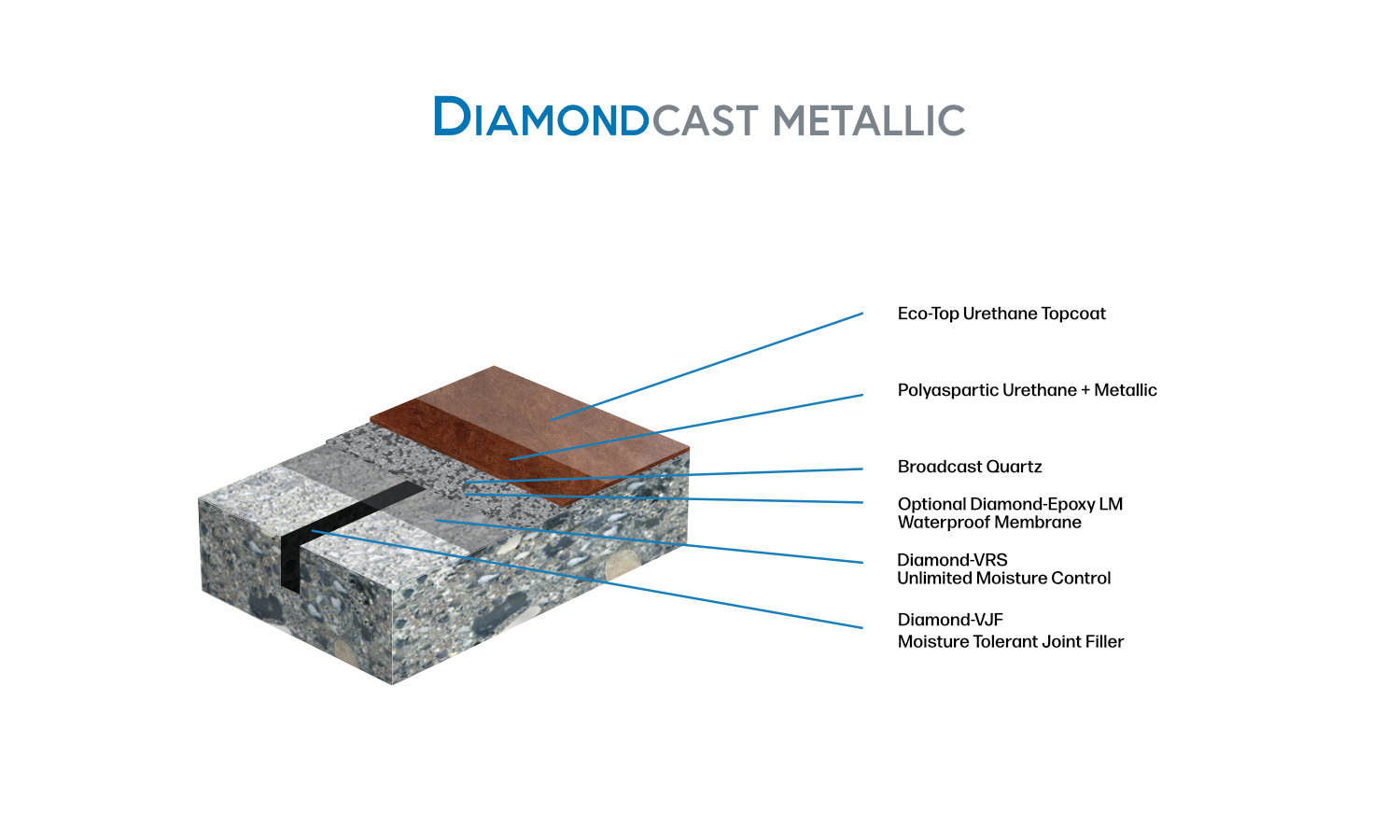
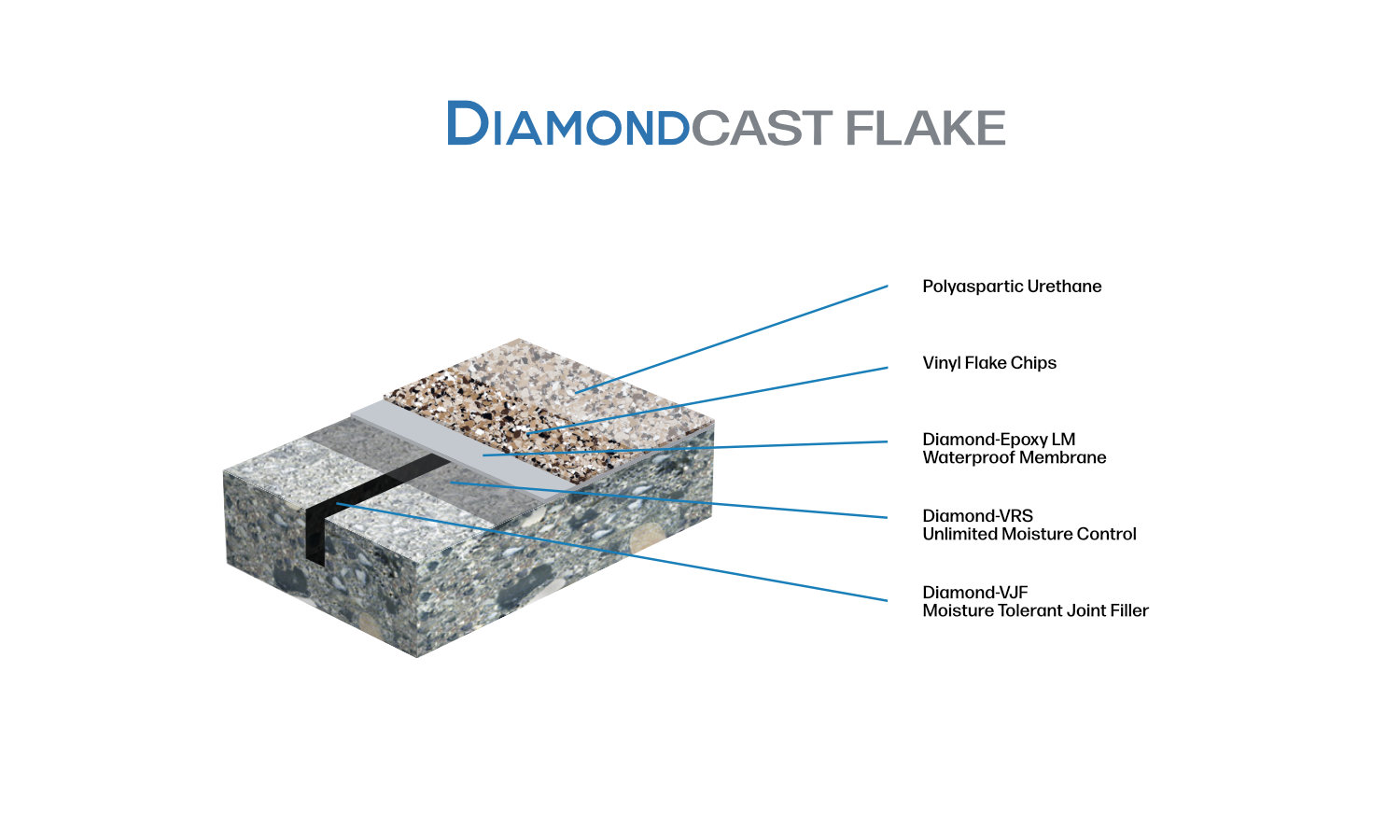
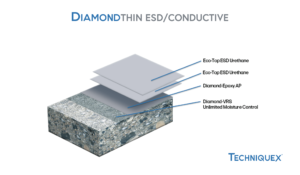
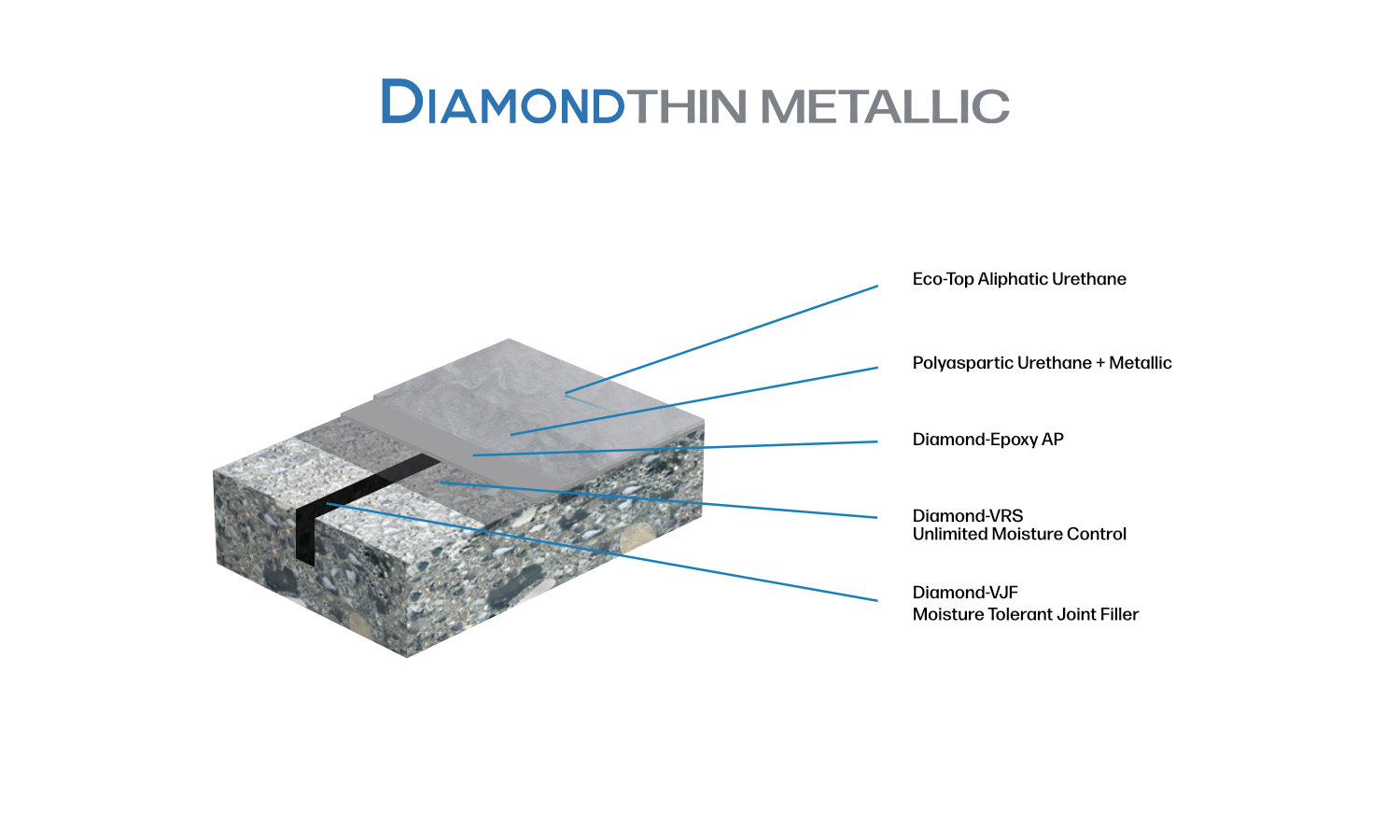
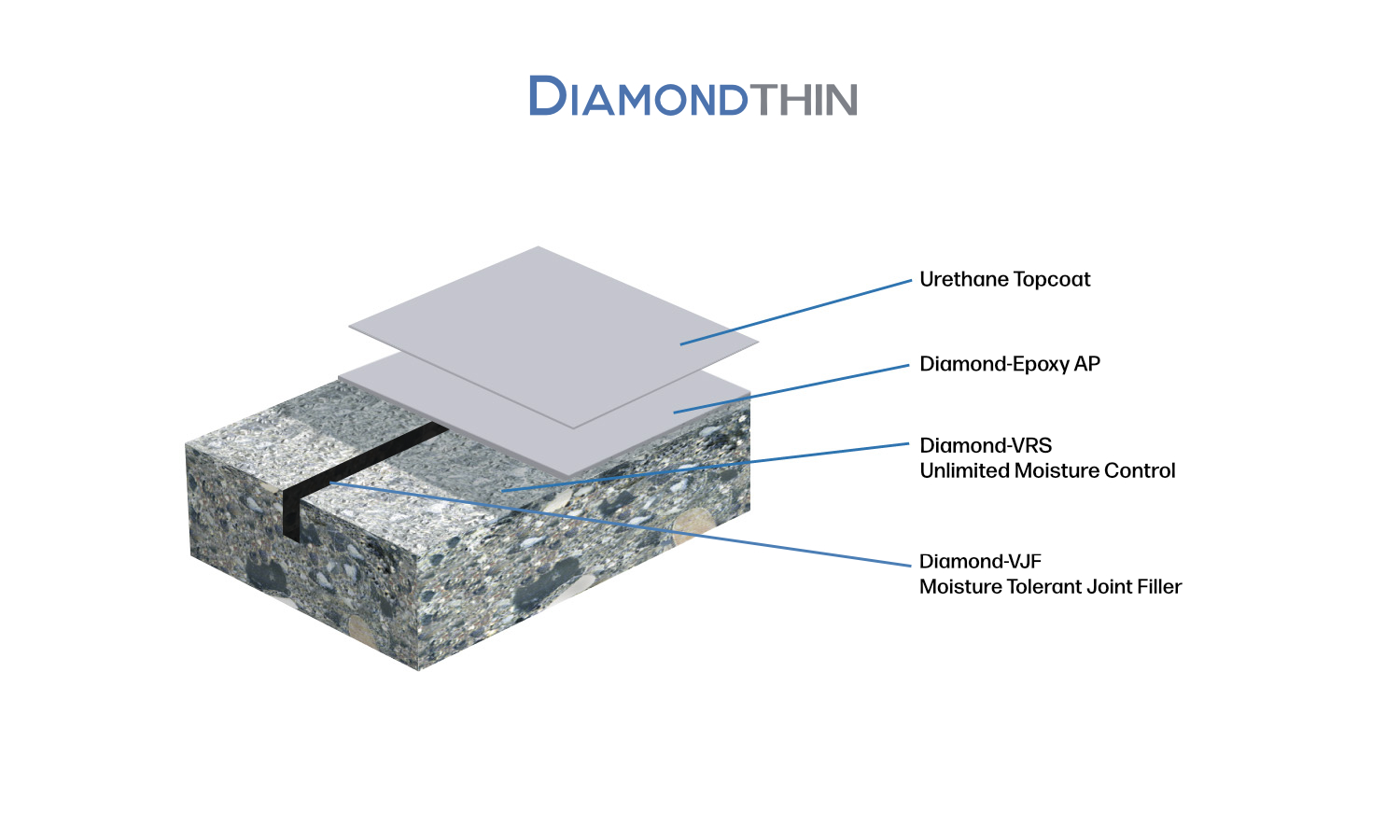
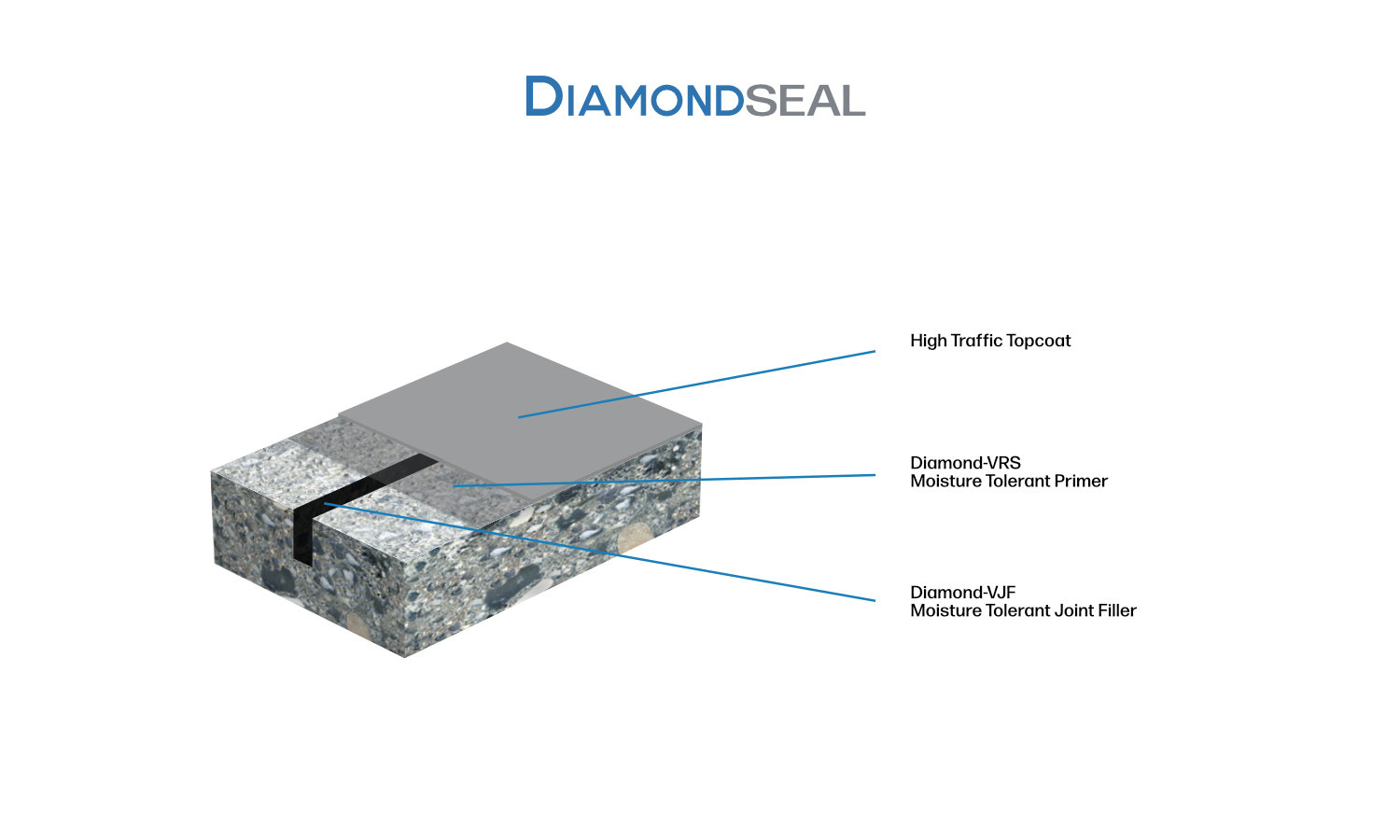
We fill control joints with Diamond VJF, our semi-rigid epoxy joint filler, which also provides unlimited moisture tolerance. Expansion joints are maintained and caulked with a flexible urethane filler to accommodate movement.
Cracks are evaluated and treated according to their condition and potential movement. Drains, edges, and transitions are detailed for the system and service environment.
Each detail must be addressed according to how it will function.
6. Build moisture protection into the system.
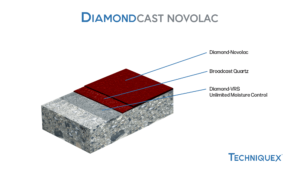
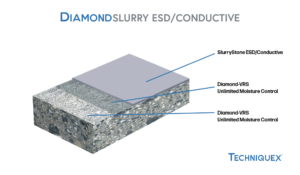
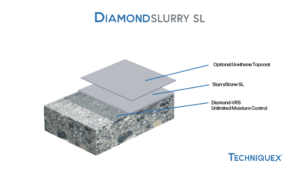
We include a primer with unlimited moisture tolerance in every Techniquex epoxy flooring system.
Moisture testing provides valuable information, but it reflects conditions at the time of testing. Moisture activity within a slab can change after testing and after the floor has been installed.
In our view, relying on a primer with moisture limitations introduces an avoidable risk for the customer.
The consequences of a moisture-related failure can extend well beyond replacing the floor. Removal, downtime, disrupted operations, and moving equipment can make the total cost many times greater than the initial installation.
We believe addressing that risk from the beginning is a better investment.
7. Monitor conditions throughout installation.
Air temperature, slab temperature, humidity, and dew point affect application and curing.
We check these conditions before application and monitor them as the work progresses. Installation decisions must reflect actual site conditions, including changes that occur between coats.
A schedule alone cannot tell you when a floor is ready for the next step.
8. Control mixing, application, and thickness.
Correct materials must also be mixed and applied correctly.
We follow the required mixing proportions, mixing times, material temperature requirements, and working times. We check thickness throughout installation to confirm that the flooring is being built as intended.
A floor’s appearance alone does not tell you whether the specified amount of material has been installed.
9. Prepare between coats for dependable adhesion.
On most floors where the system and surface allow it, we screen between coats to create a mechanical profile for the next layer.
Temperature affects how quickly coatings cure and how much time is available to apply subsequent coats. Screening adds a deliberate preparation step to support adhesion between layers.
We also respect the required cure conditions and recoating procedures. A mechanical profile works together with proper timing to support a dependable bond.
10. Allow proper curing and protect the finished floor.
Completing the application does not mean the floor is ready for every type of use.
Foot traffic, equipment traffic, washing, and chemical exposure can require different curing periods. We coordinate the return to service around the installed system and actual curing conditions.
When necessary, we install protection over the new floor once it can safely be covered and maintain that protection until the area is ready for use.
We also provide cleaning and care guidance so the customer understands how to maintain the finished flooring.