The promise of a one-day floor installation is appealing, the idea of minimizing downtime and getting a floor back into service within hours can sound like the ideal solution. But when it comes to resinous coating systems, speed can come with trade-offs that aren’t always obvious at the time of installation.
One of the biggest and most overlooked is moisture vapor emissions from the concrete slab. A floor can look perfect when the installation is complete and still have conditions underneath the coating that contribute to floor failing.
Concrete Is Never Truly Dry
Concrete is a porous material. Throughout its service life, moisture vapor can move through the slab. The question isn’t whether moisture exists in the concrete. The question is how much moisture is present and how much vapor is moving through the slab.
Many coating manufacturers establish moisture limits for direct-to-concrete applications. A commonly referenced threshold is approximately 3 pounds per 1,000 square feet per 24 hours, when tested using calcium chloride testing in accordance with ASTM F1869.
The problem is that many concrete slabs can exceed those limits. Even more importantly, moisture testing provides only a snapshot of conditions at a particular point in time.
Moisture Conditions Can Change After Installation, Due To:
- Seasonal Changes
- Groundwater Conditions
- Changes in Building Conditions
- Inadequate or Missing Vapor Barrier
- Changes in Temperature and Humidity
A slab that appears acceptable when tested may not behave the same way days months or years later.
The Problem With Rushing the Installation
The primary selling point of many one-day flooring systems is speed. Polyaspartic coatings are particularly popular for this type of application because they cure extremely quickly. A contractor can potentially prepare the concrete, install the coating system, and return the floor to service within a matter of hours.
But a fast cure doesn’t make moisture disappear. The concrete continues to contain and transmit moisture vapor regardless of how quickly the coating cures. When a coating system is installed over a slab with elevated moisture vapor emissions without an appropriate moisture-mitigation layer, vapor pressure can eventually attack the bond between the concrete and the coating.
That Can Lead To:
- Blistering
- Delamination
- Loss of Adhesion
- Premature Coating Failure
The floor may look great on day one. However, the problem may not show up until later down the road.
The Cost of Speed Can Come Later
The primary objective becomes getting the floor installed and back in service as quickly as possible. But flooring isn’t a short-term investment.
A Commercial or Industrial Floor is Expected to Withstand Years of:
- Heavy Traffic
- Equipment
- Impact
- Abrasion
- Chemical Exposure
- Temperature Fluctuations
- Moisture Exposure
The installation process should therefore be designed around long-term performance, not simply the fastest possible return to service. Saving several days during installation may seem valuable, but that benefit can quickly disappear if the coating requires repairs or replacement prematurely. When a flooring system fails, the disruption can be considerably greater than the downtime that was originally avoided.
Polyaspartic Isn’t a One-Size-Fits-All Coating Solution
This isn’t an argument against polyaspartic coatings. Polyaspartic can be excellent materials when used appropriately.
In our experience, polyaspartic should be used where it performs best, as a durable wear layer and UV resistant topcoat, rather than being relied upon as the defense against moisture vapor moving through the concrete.
Moisture Protection Should Be Part of the System
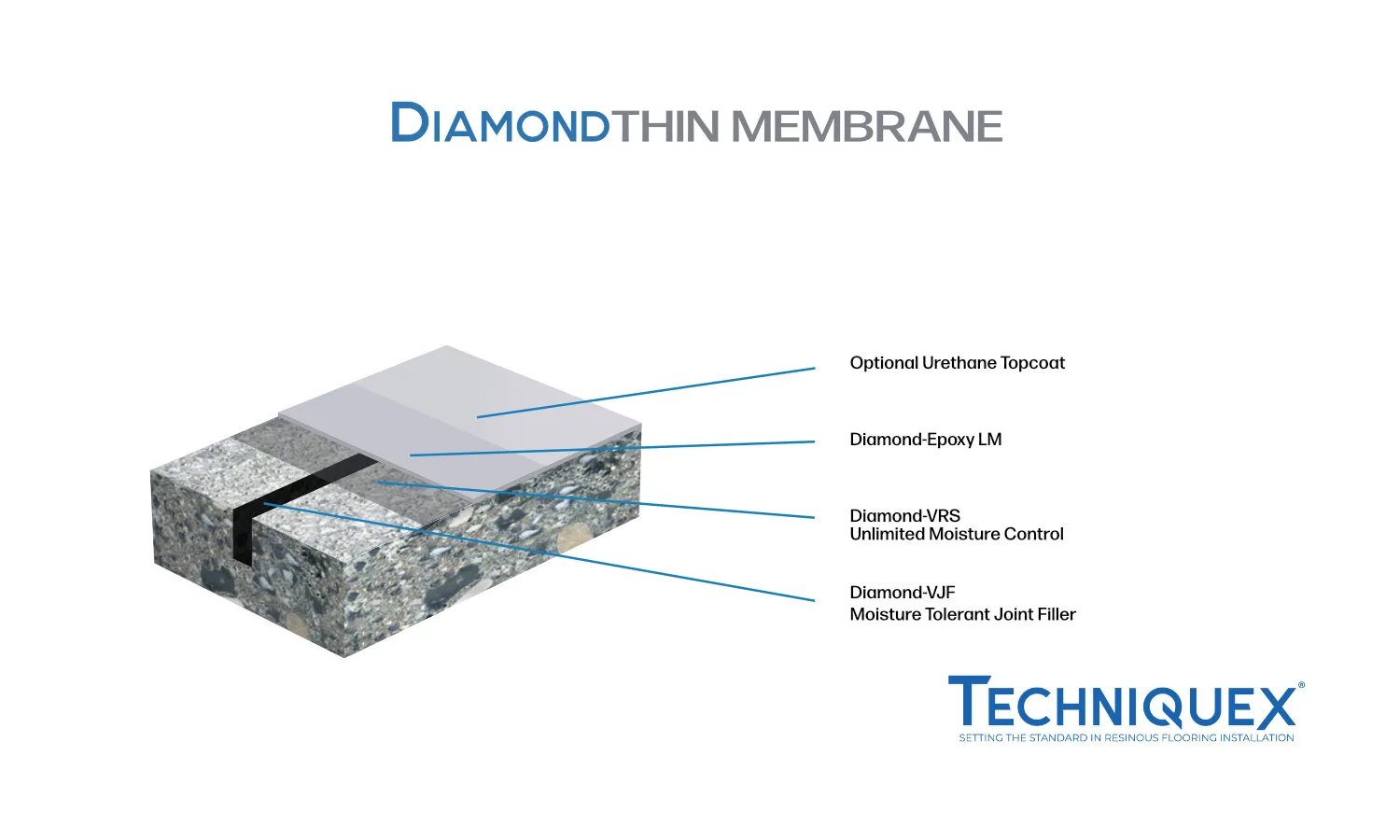
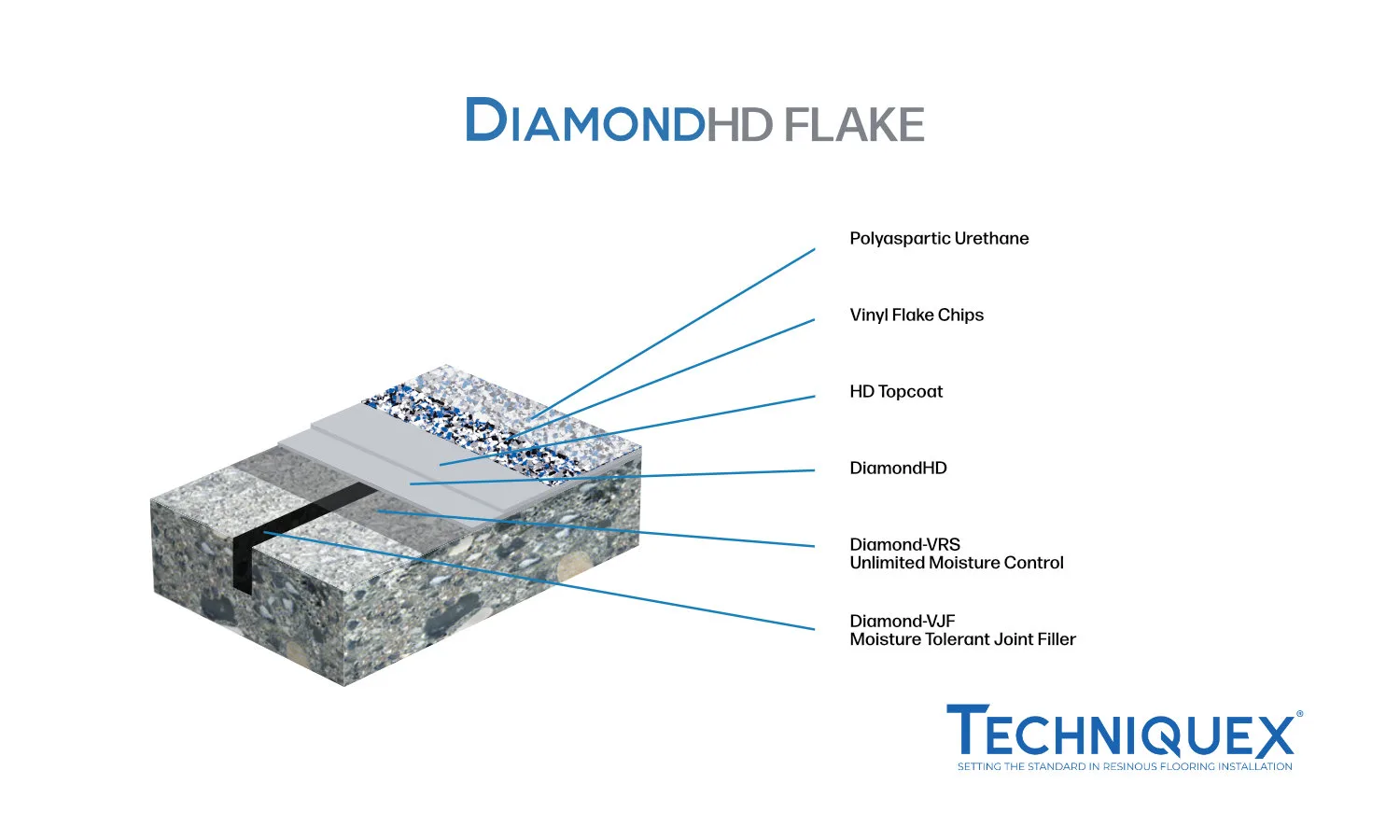
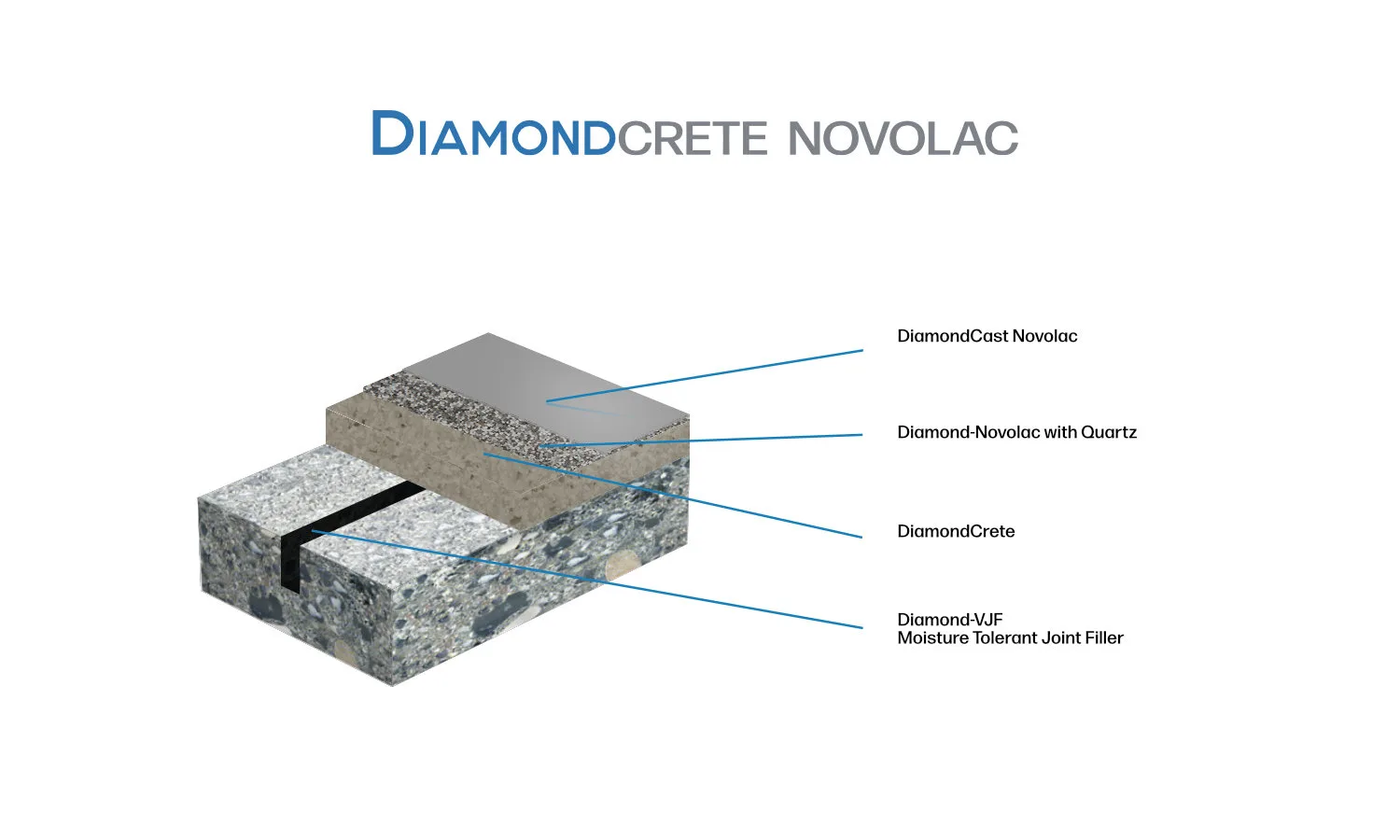
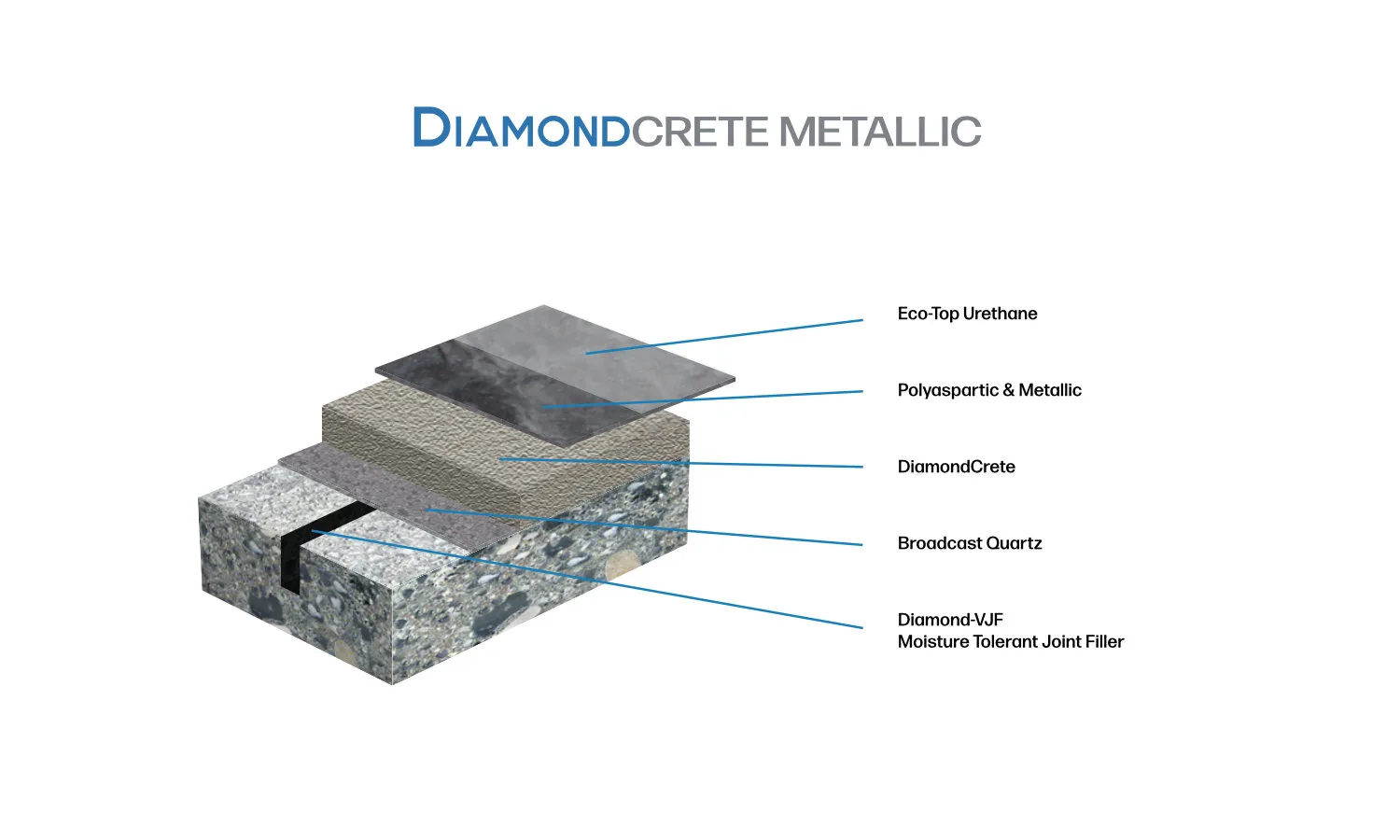
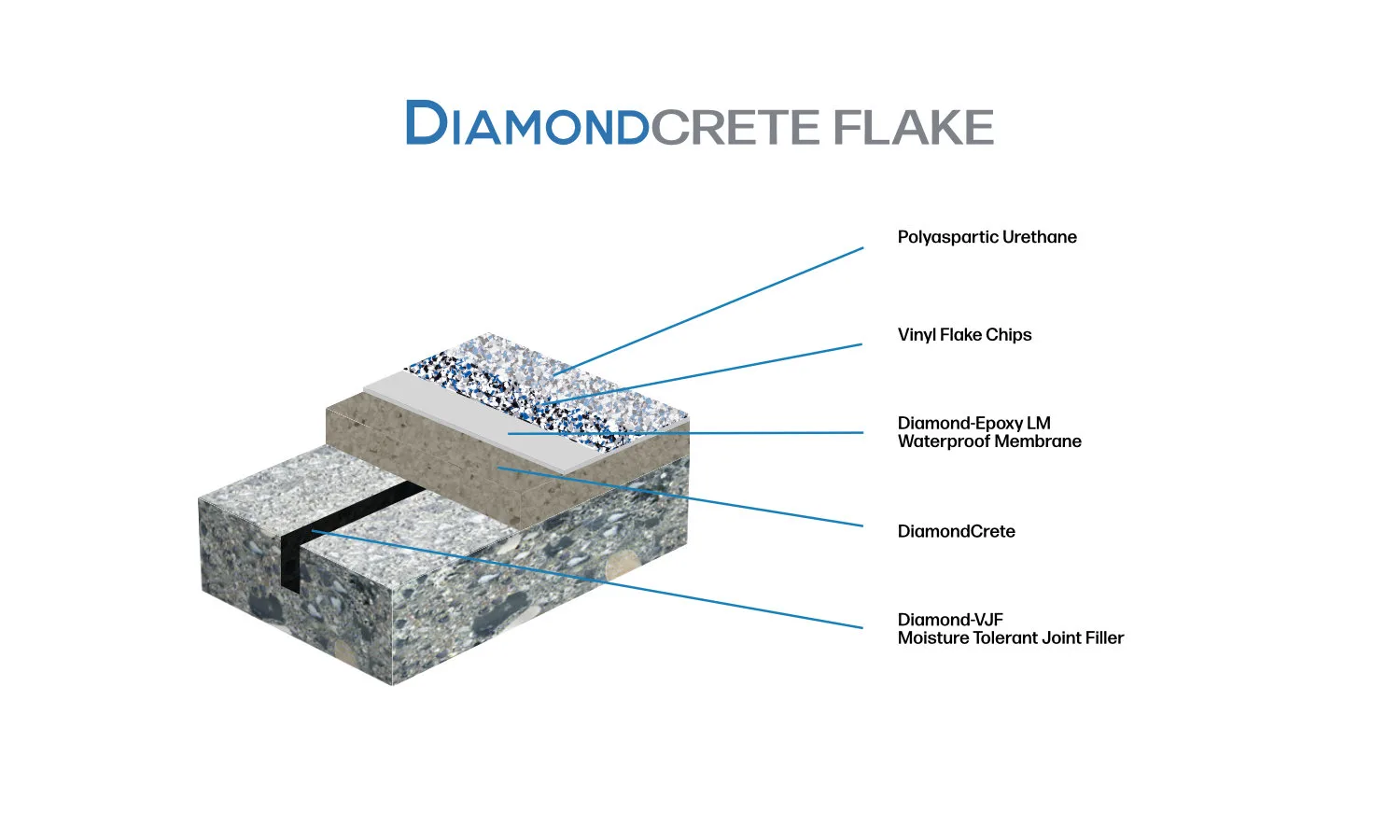
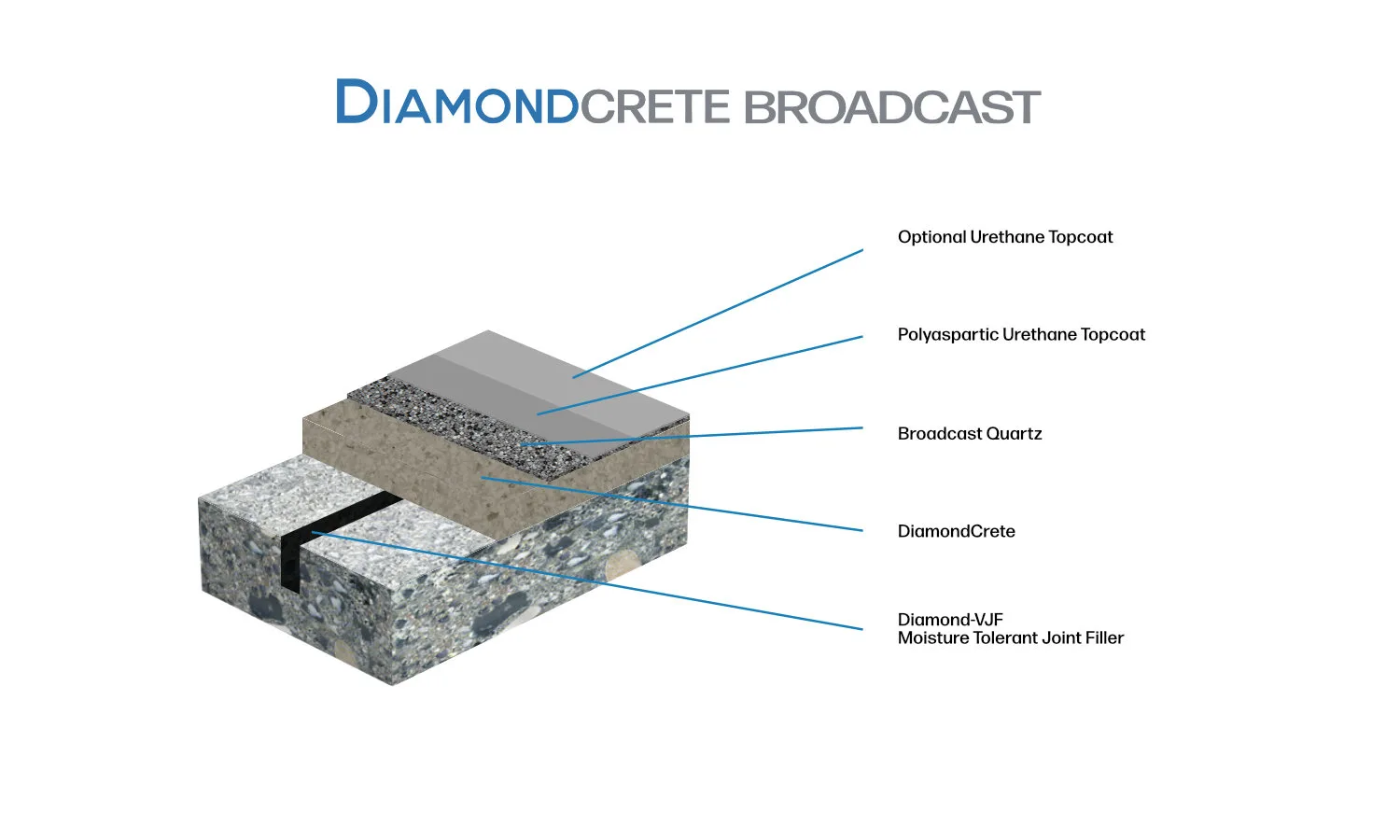
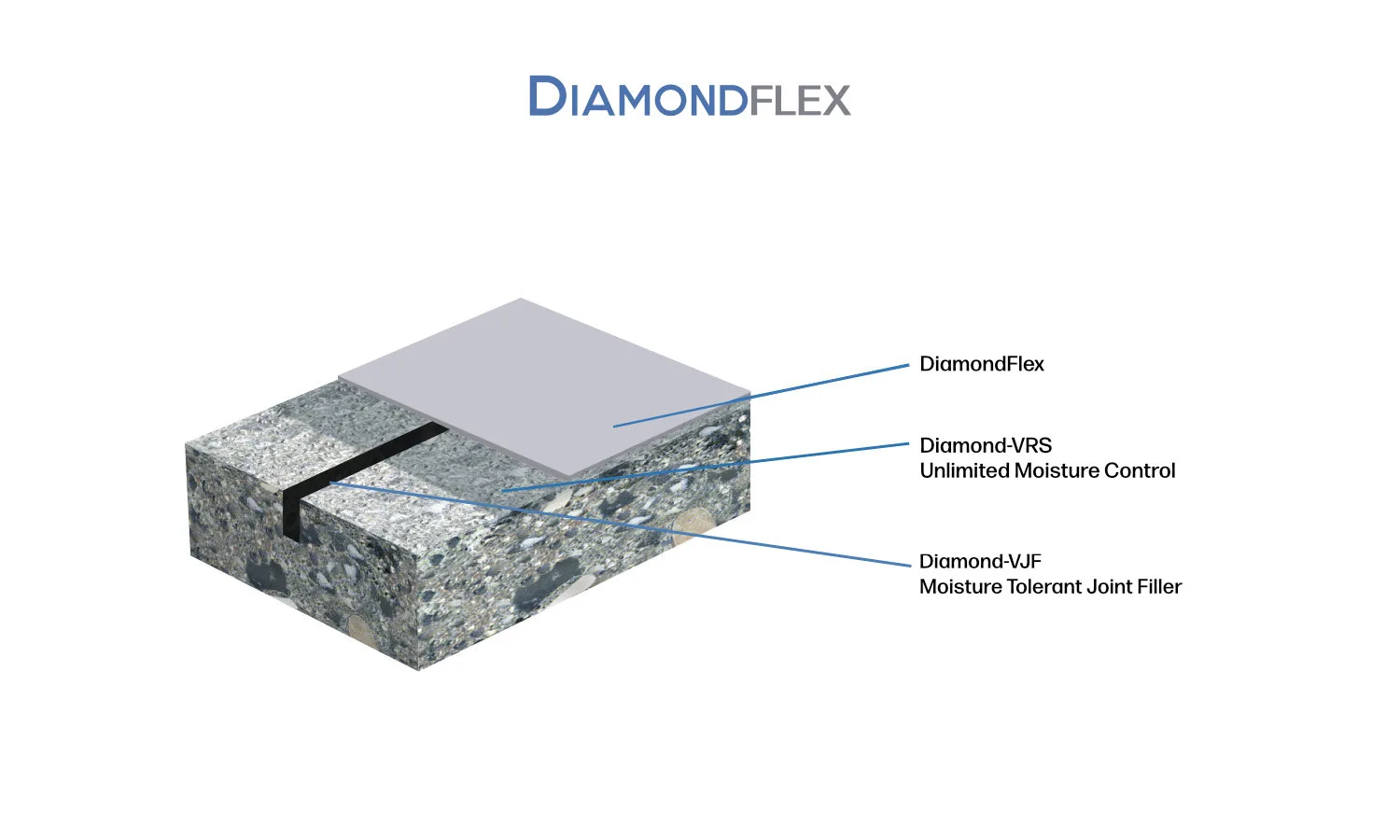
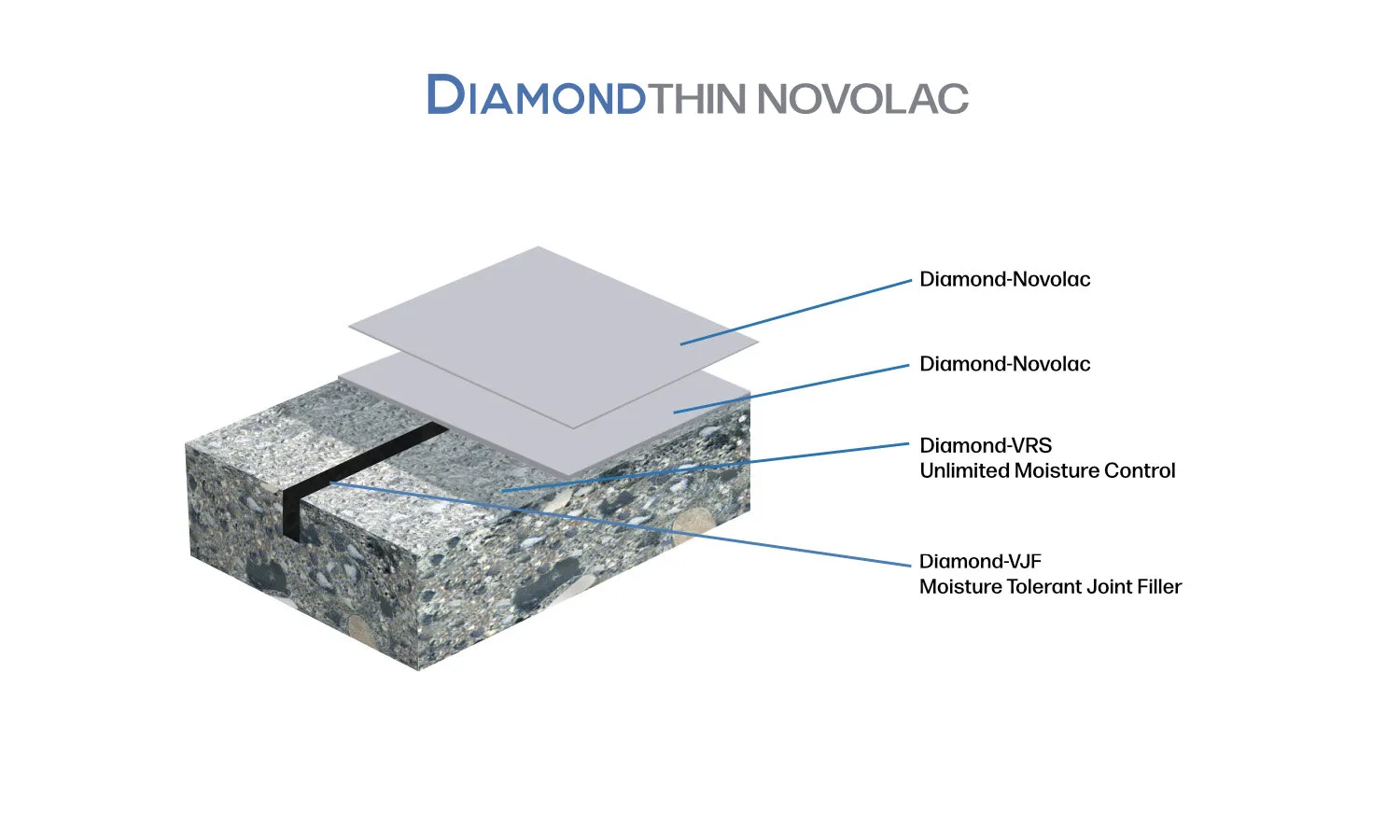
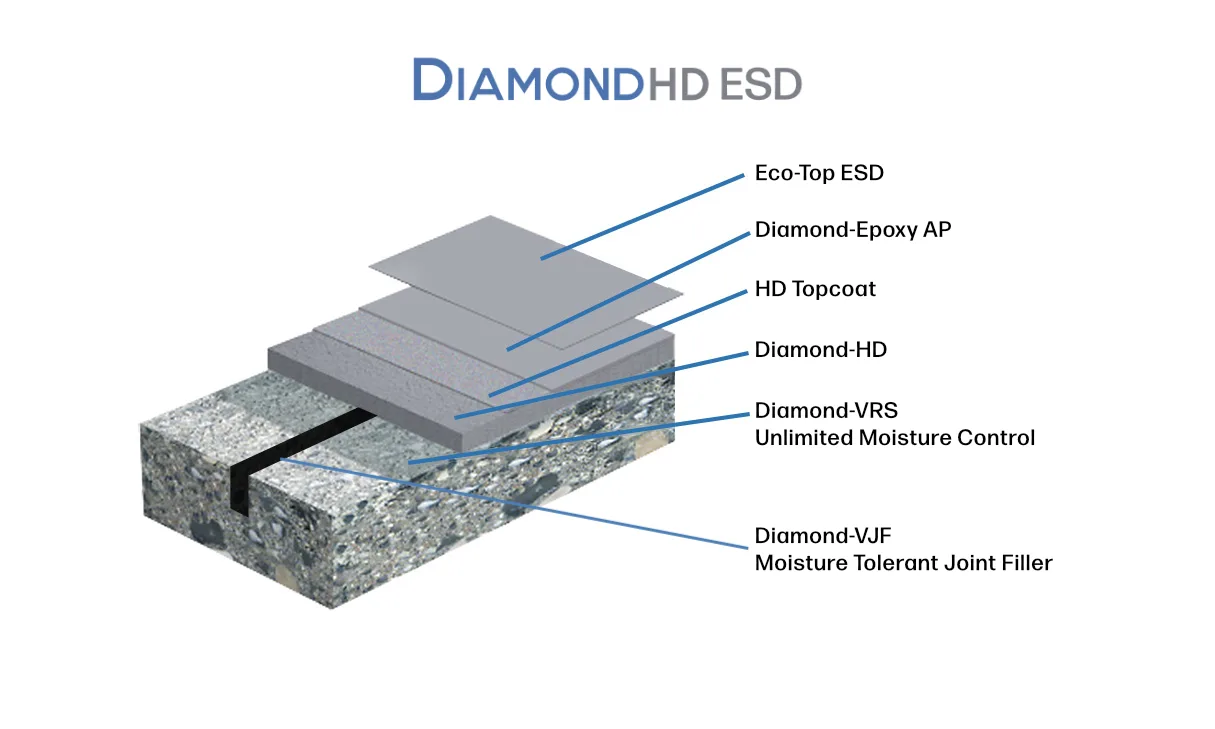
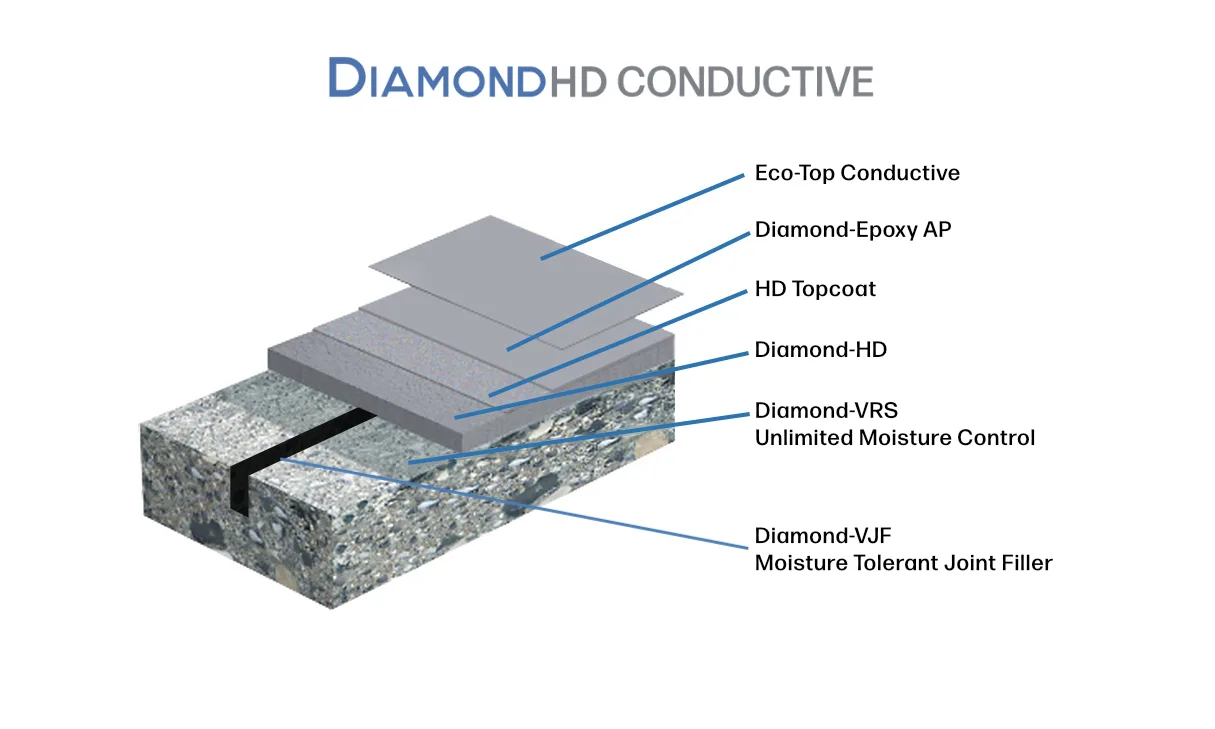
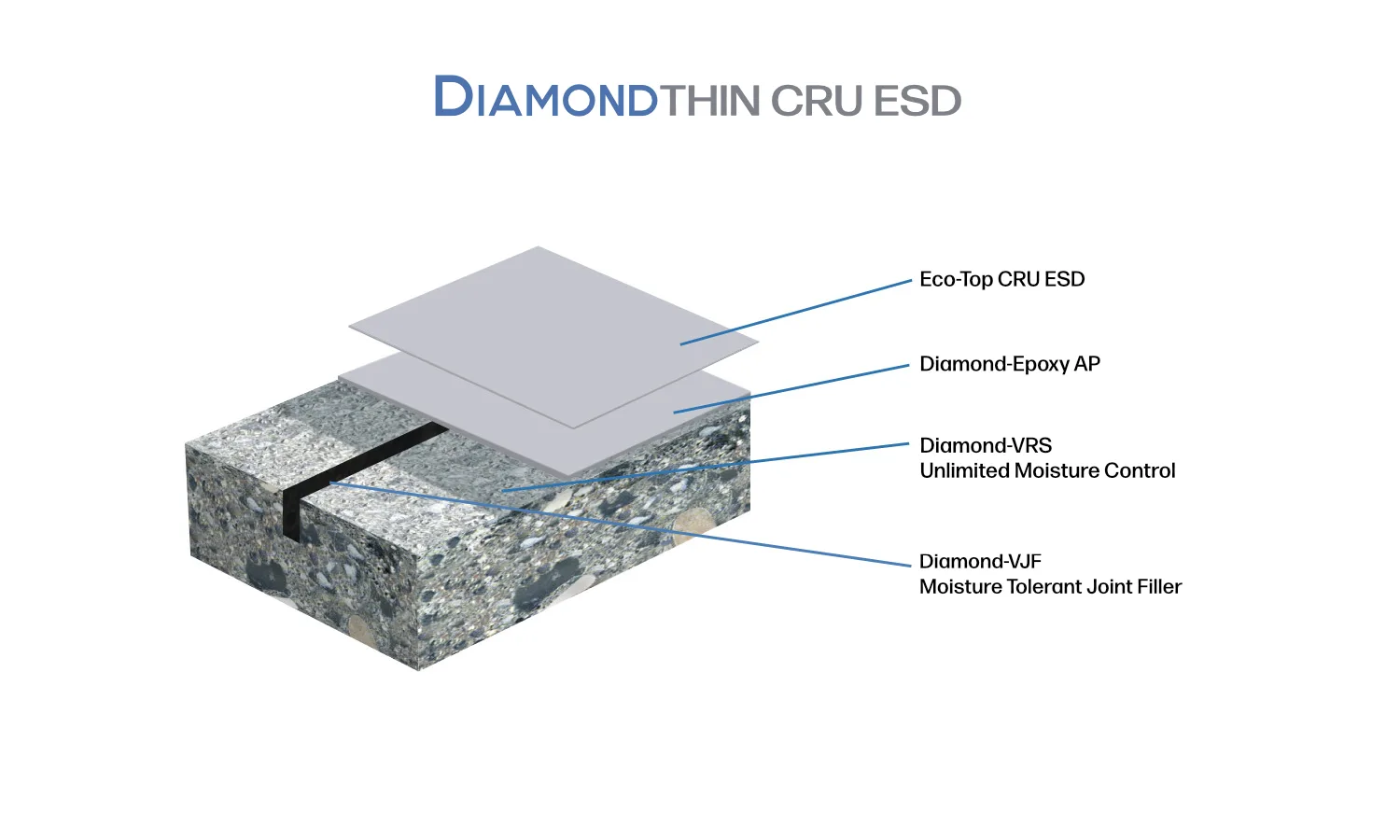
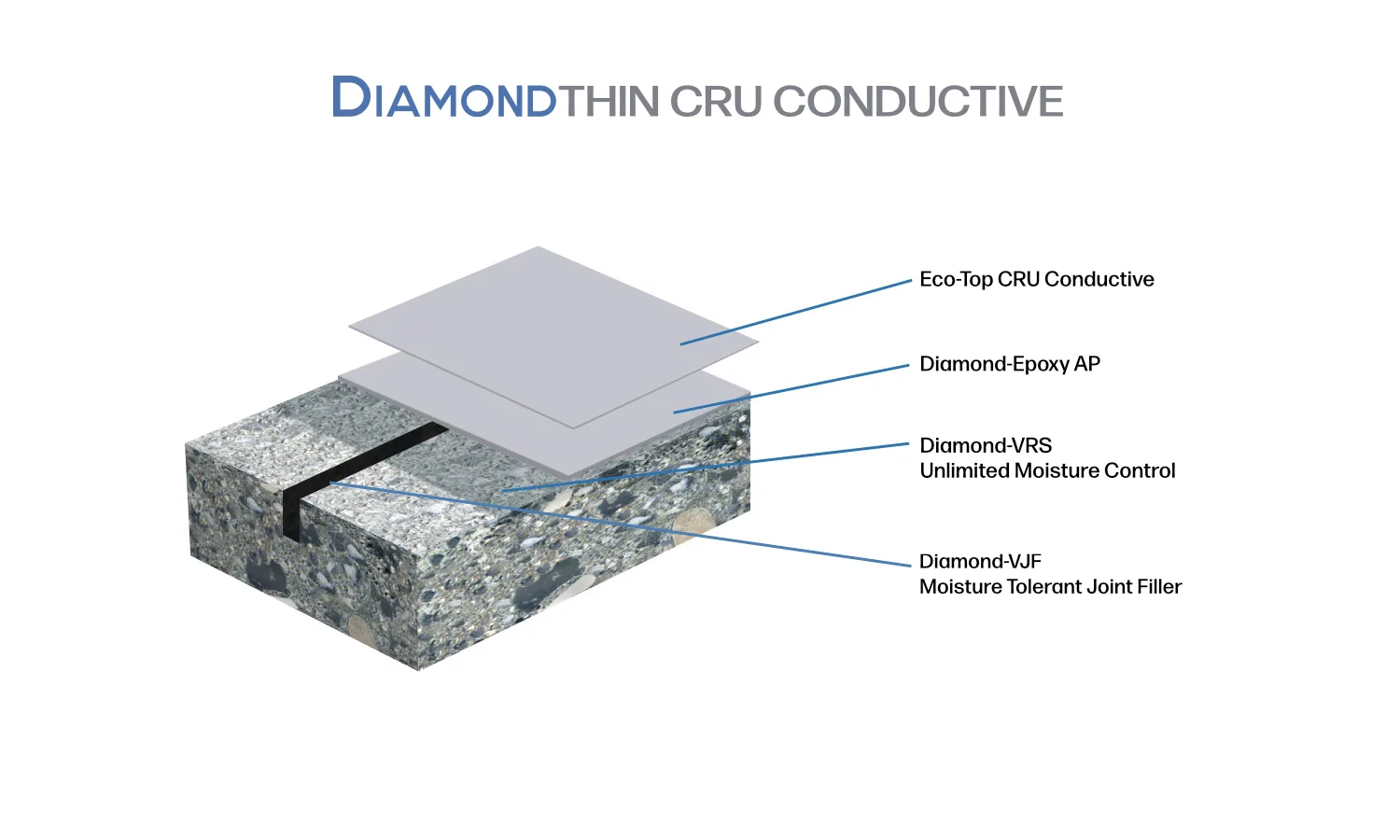
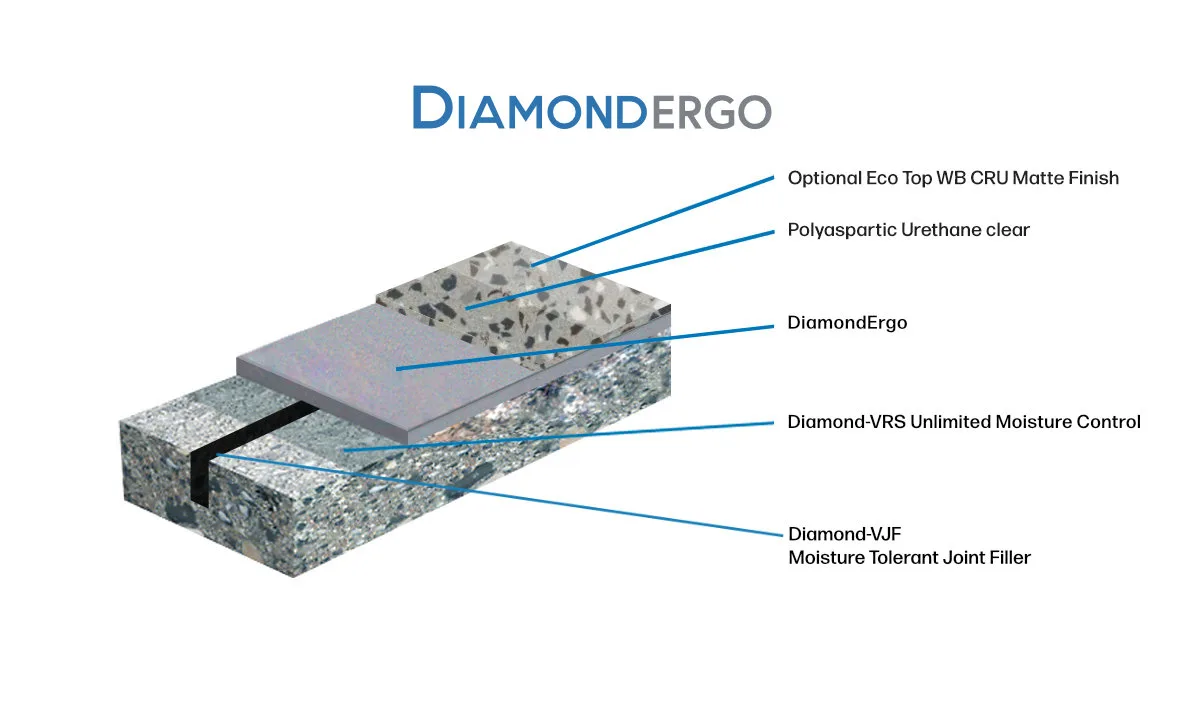
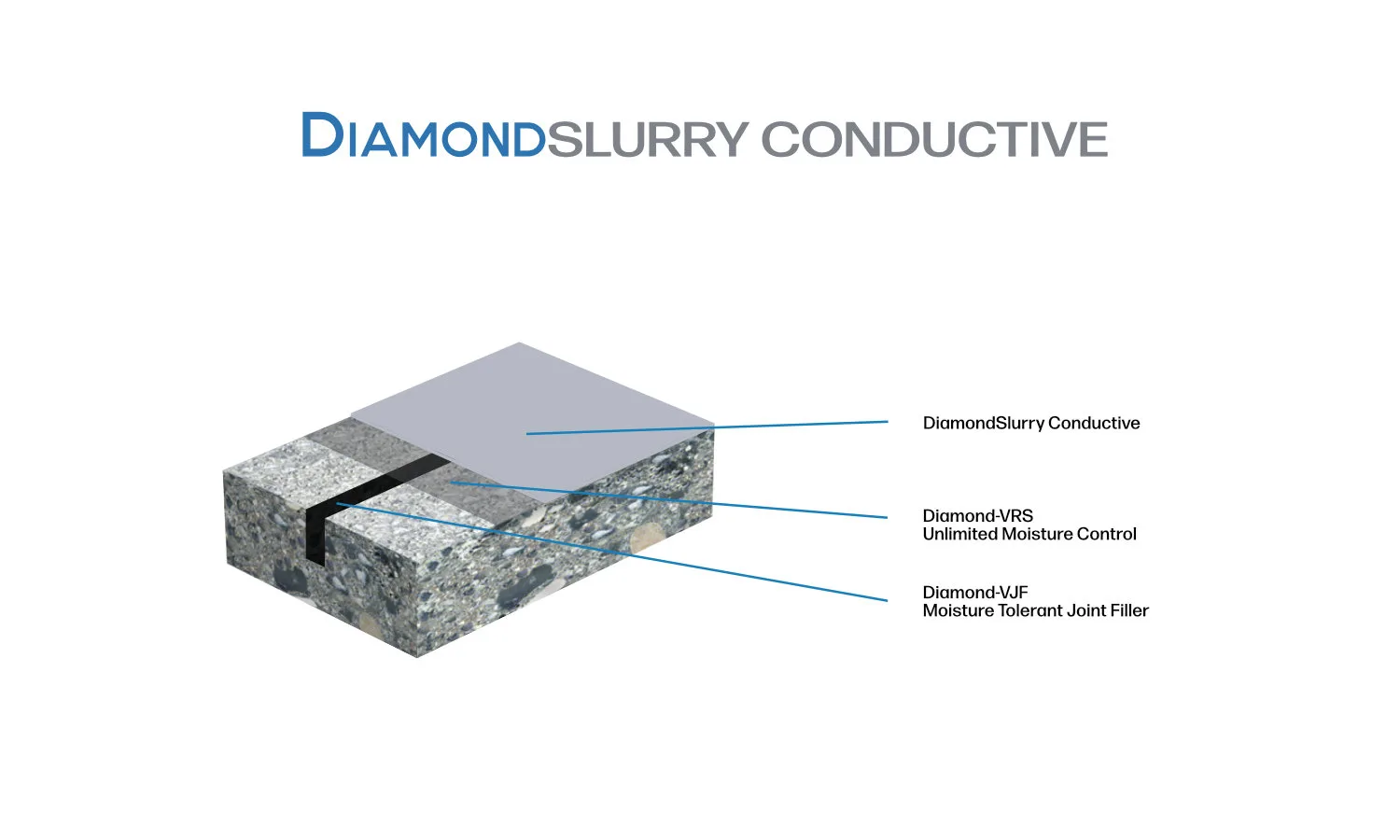
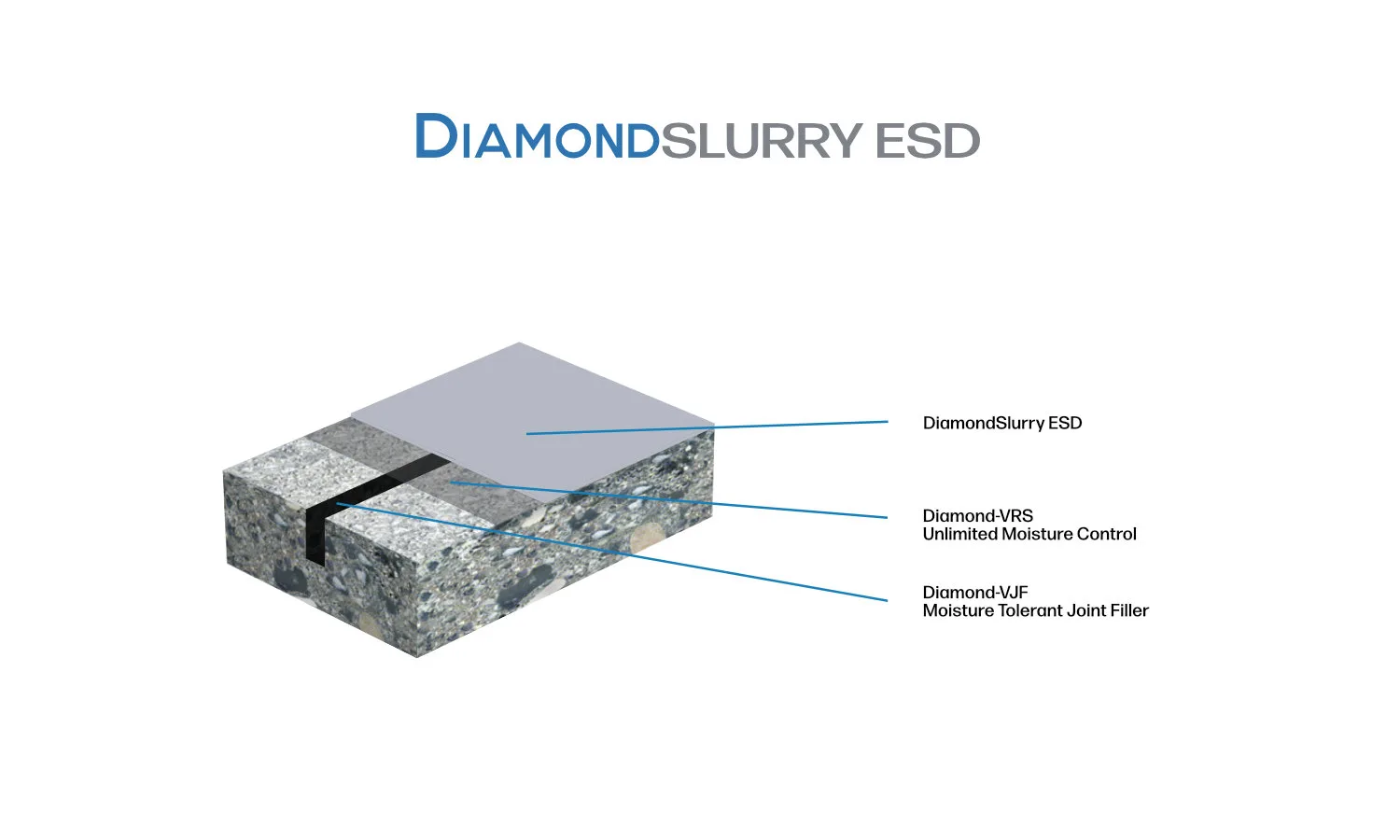
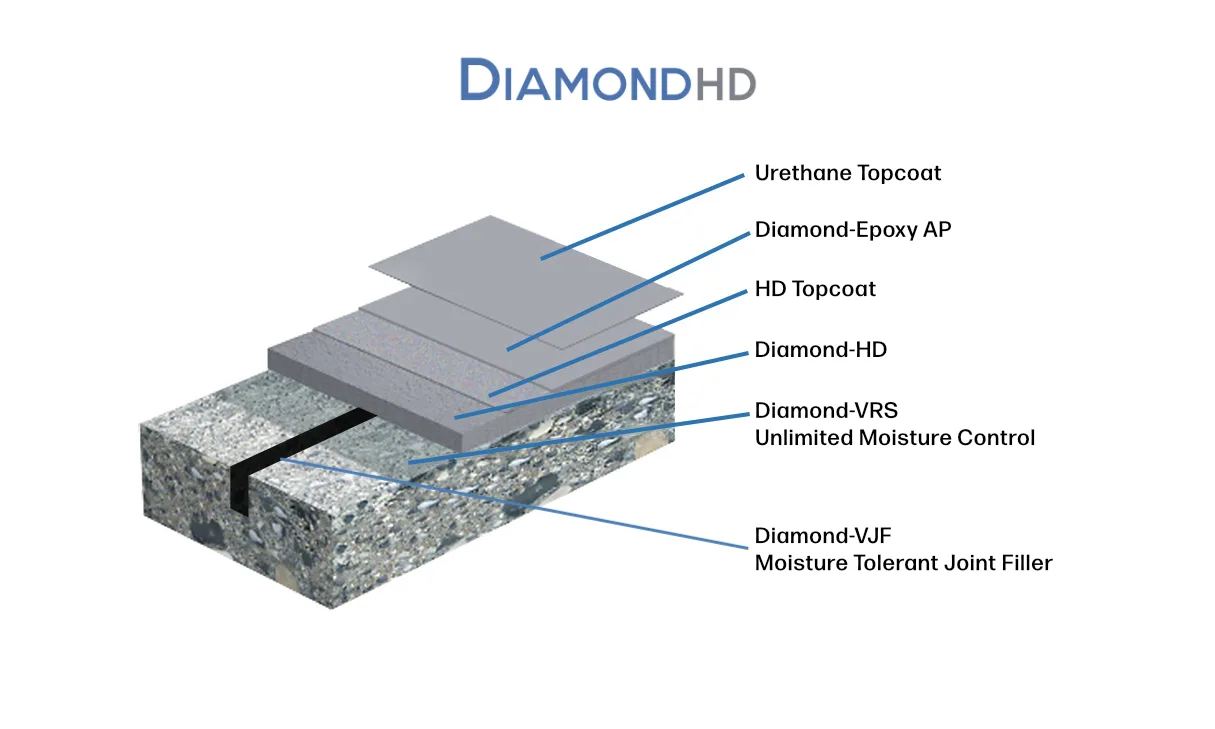
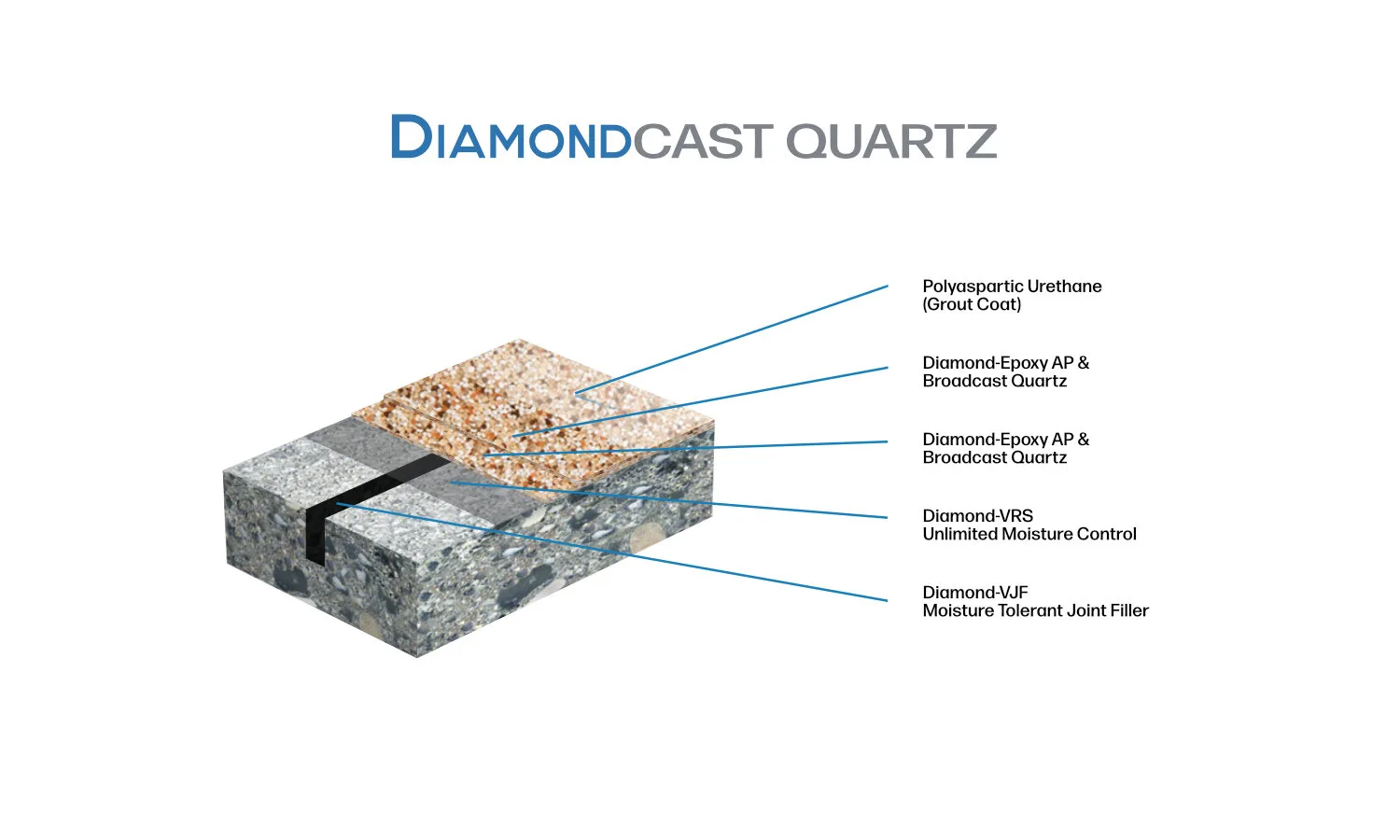
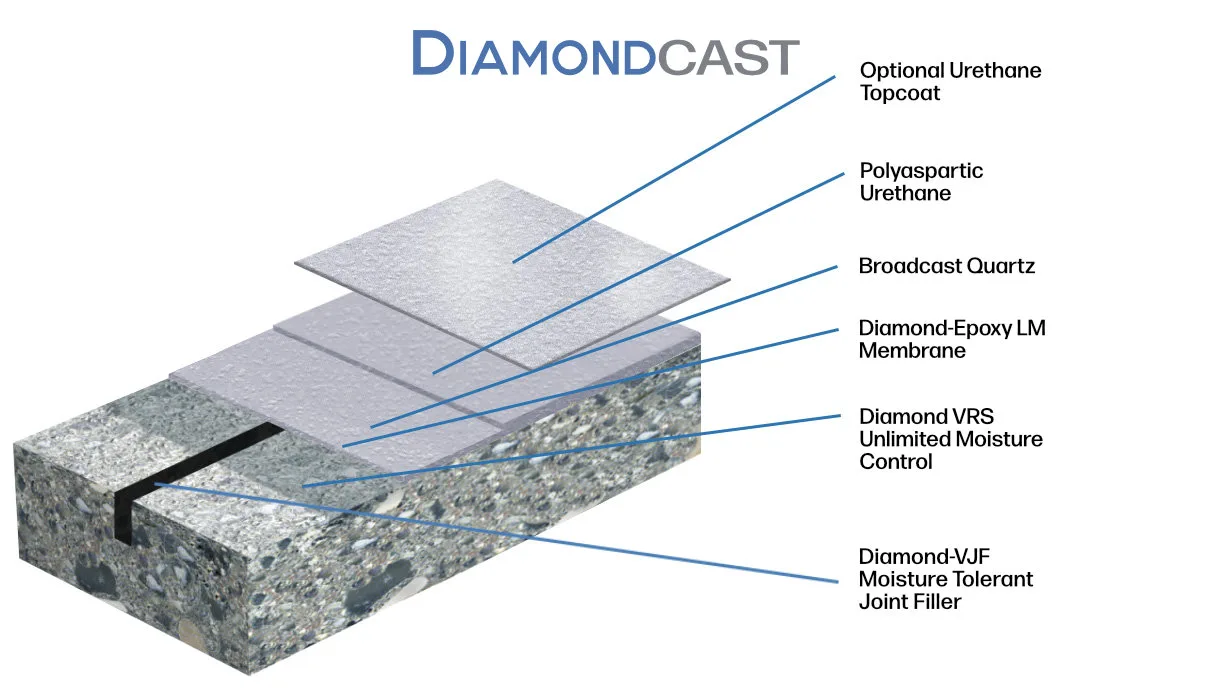
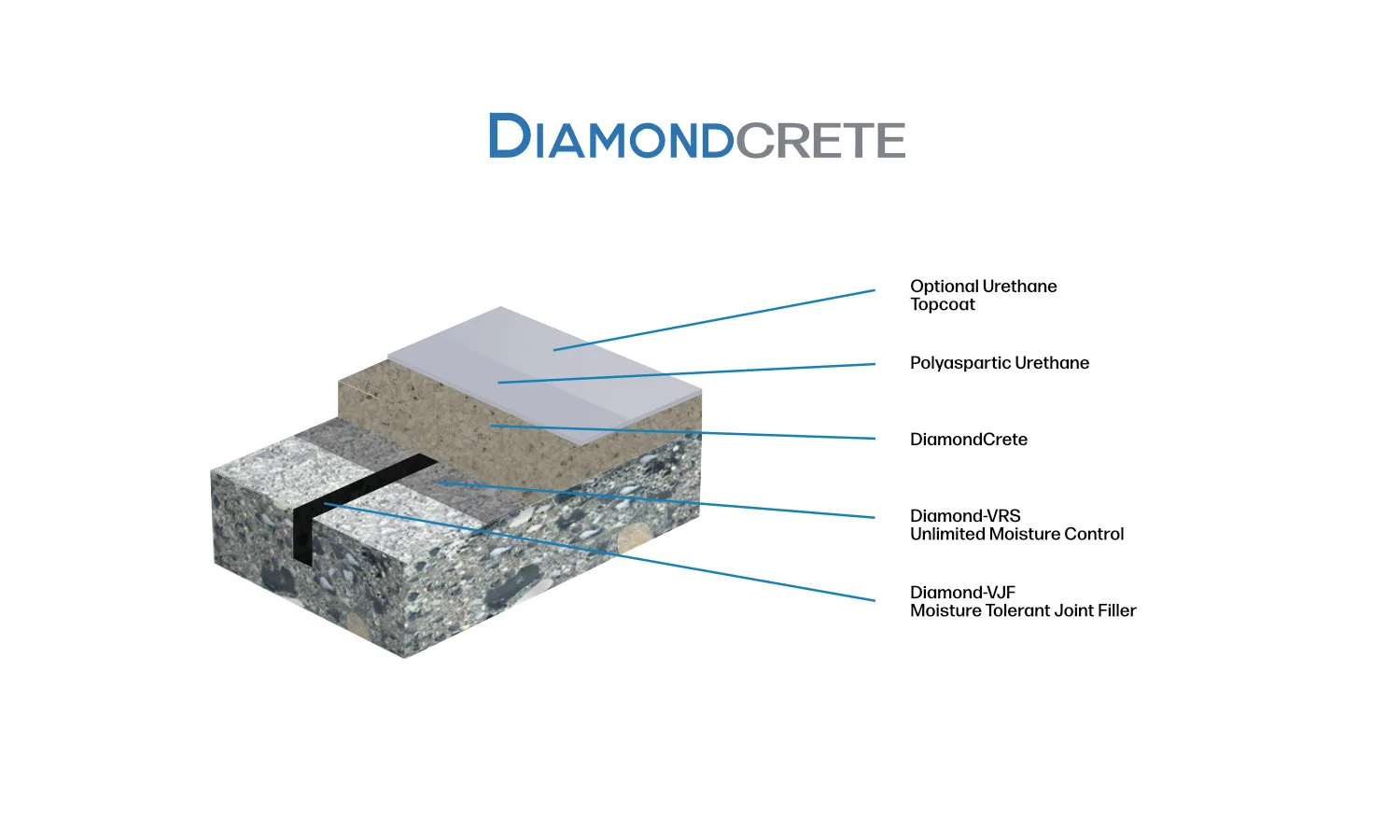
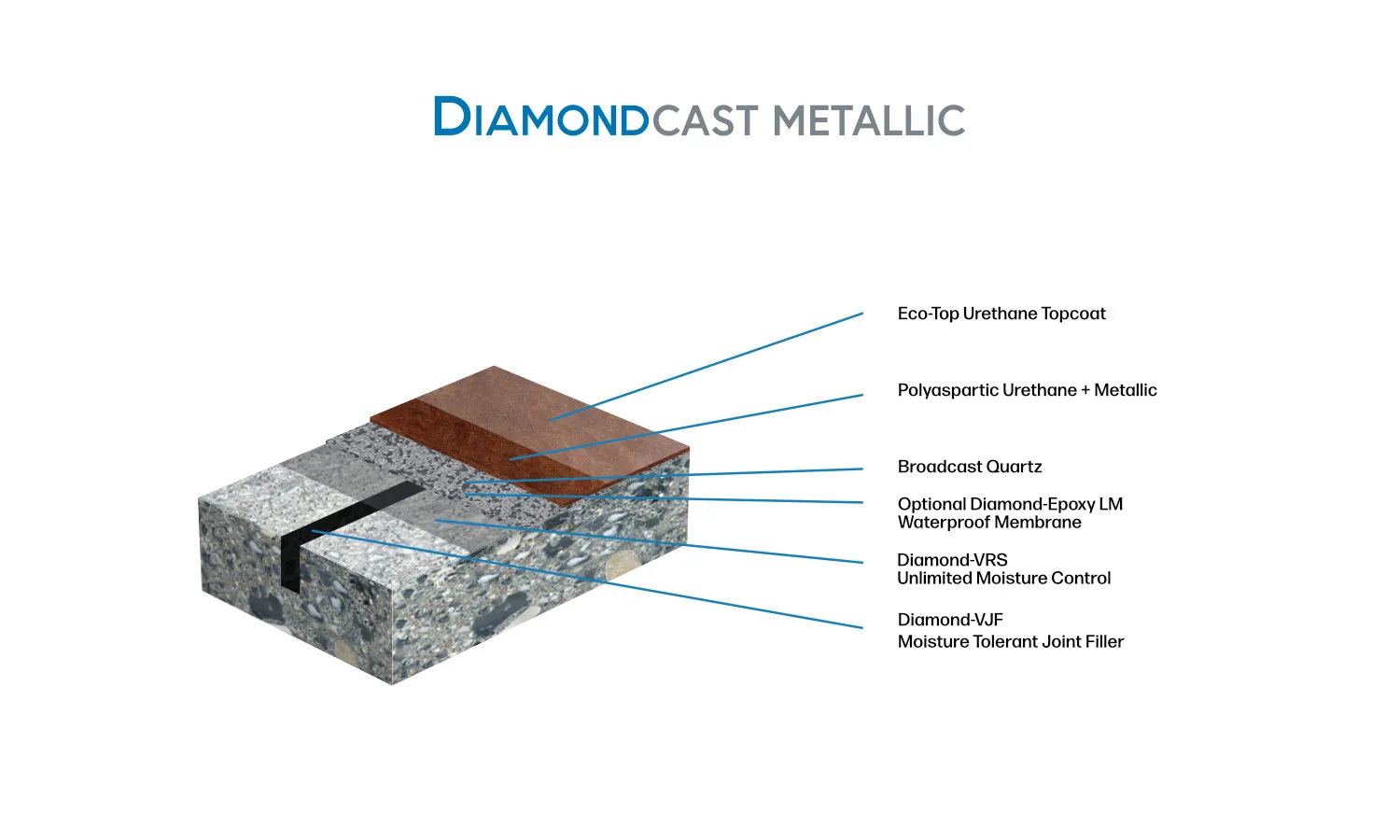
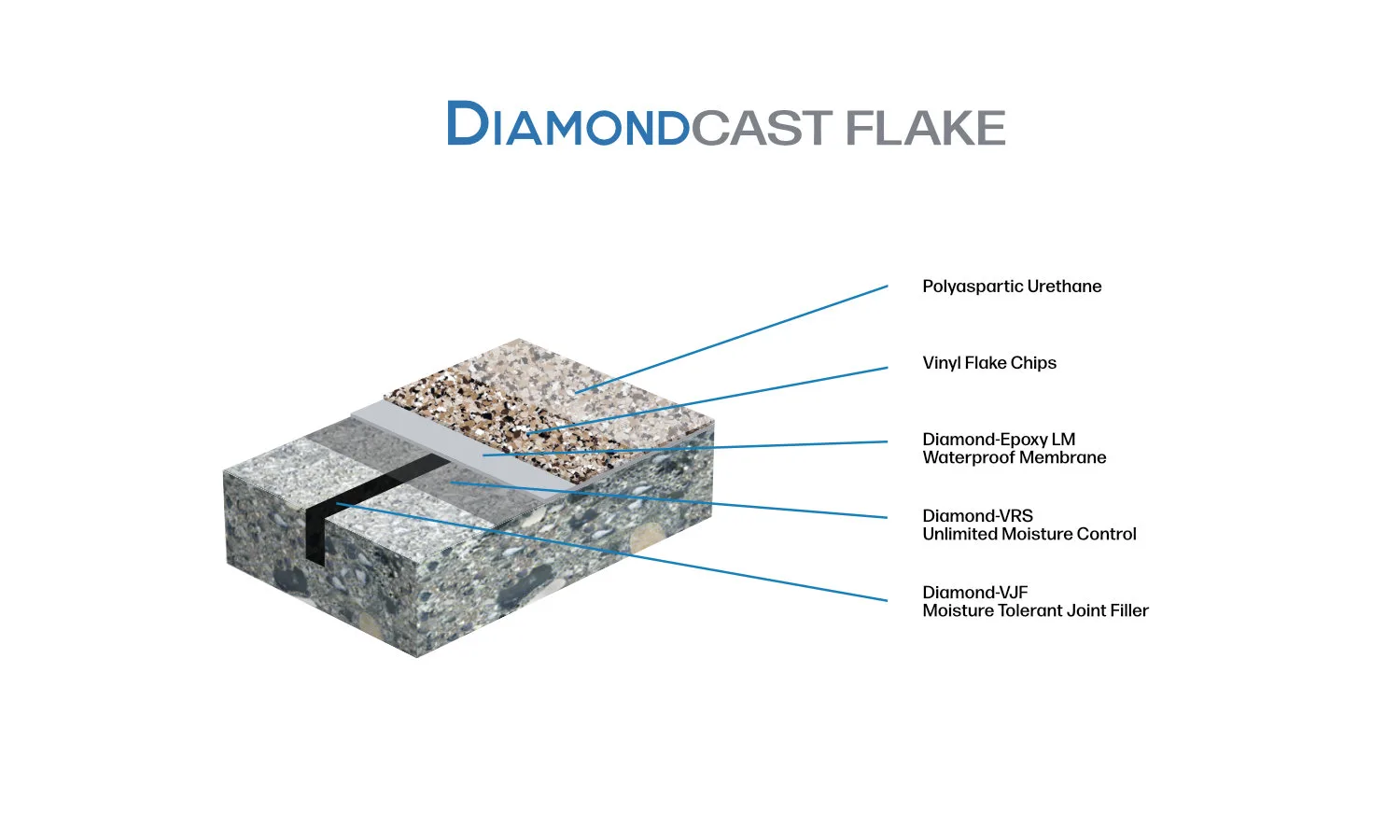
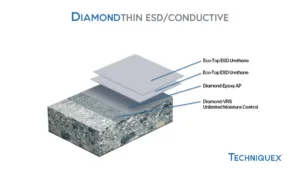
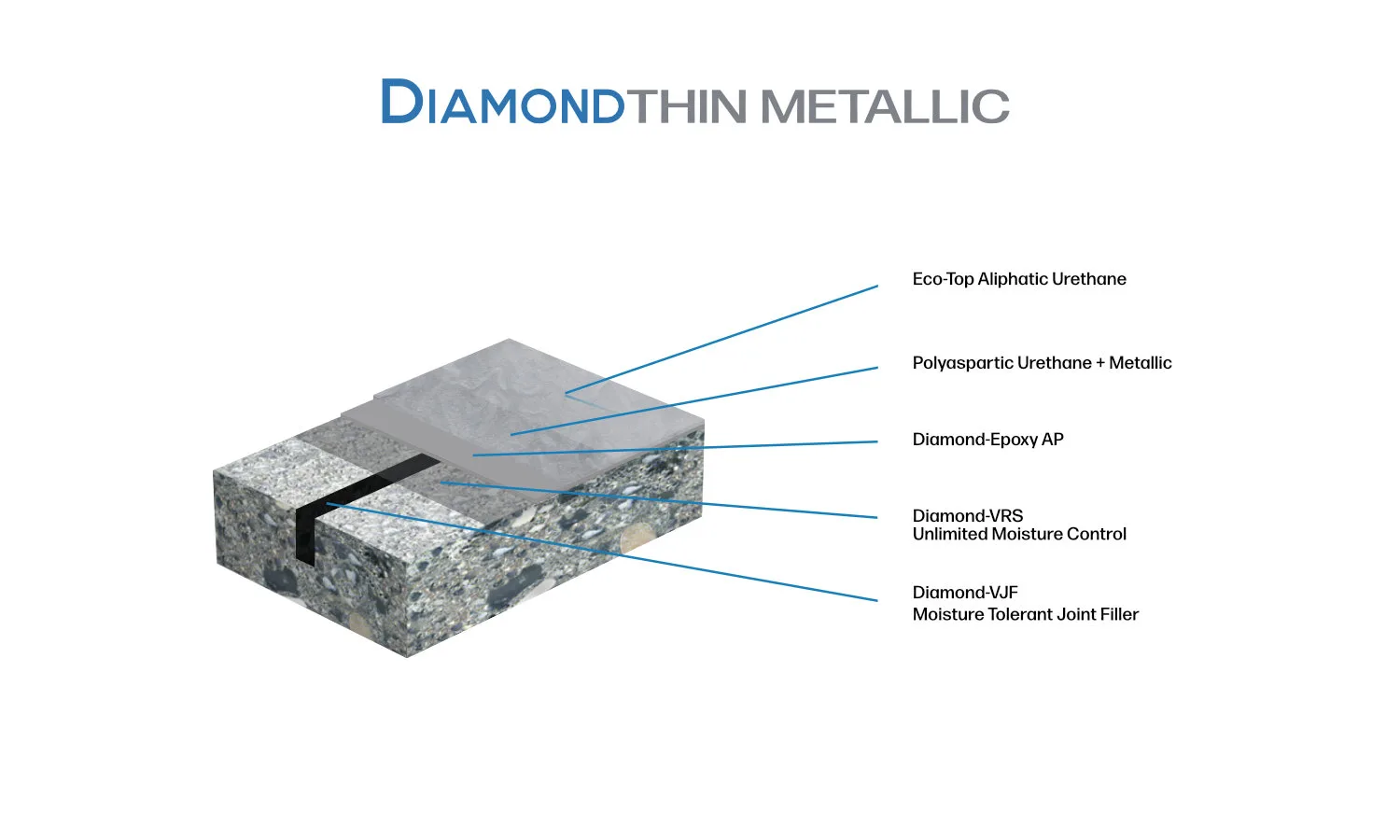
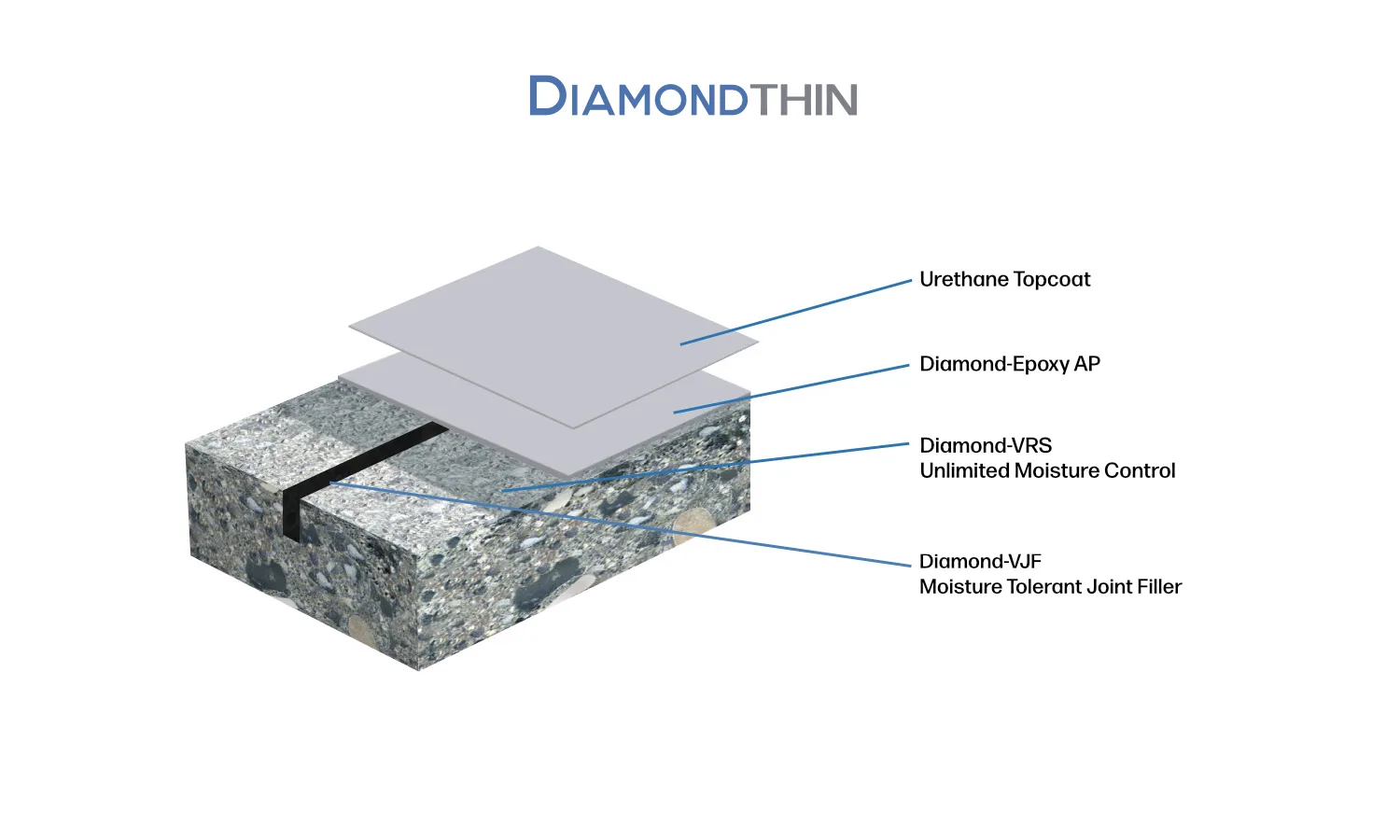
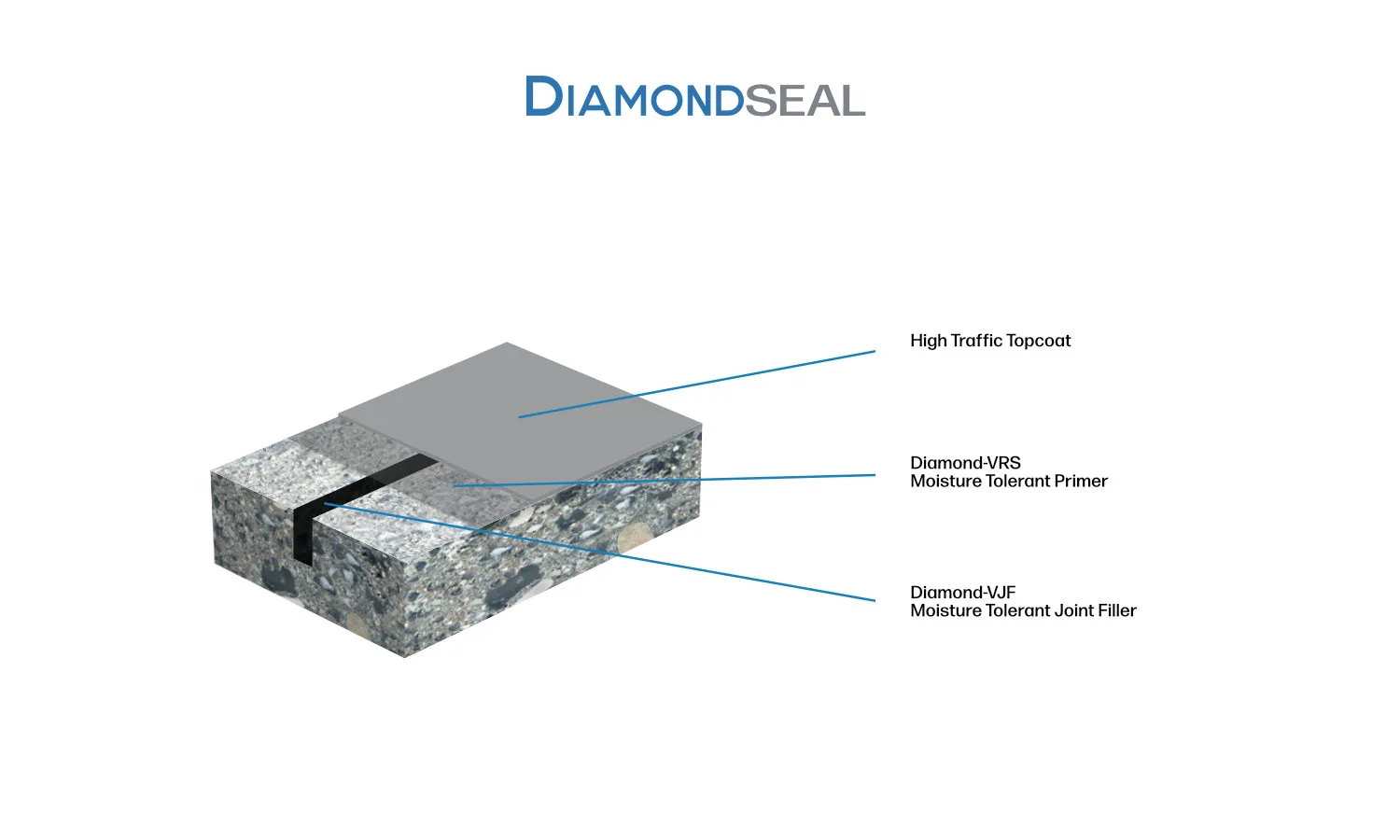
This is why we take a different approach. Every floor receives a moisture-control primer. The objective is to provide an additional layer of protection against moisture vapor moving through the concrete, rather than relying on the slab’s moisture conditions to remain within acceptable limits indefinitely.
A Proper System Uses Different Materials For Different Purposes:
Moisture-Control Epoxy: Helps address moisture vapor at the concrete interface.
Polyaspartic: Provides the durable wear surface, UV resistance, and finish.
This approach may not always be the fastest installation method. But flooring systems shouldn’t be evaluated solely by how quickly they can be installed. They should be evaluated by how well they are expected to perform over the life of the floor.
Don’t Confuse Installation Speed with Flooring Performance
There’s an important distinction between installing a floor quickly and installing a floor correctly.
A one-day installation may be appropriate for certain applications and conditions. But it should never be assumed that faster automatically means better. The concrete substrate, moisture conditions, intended use, environmental exposure, and coating system all need to be considered before determining the appropriate installation approach.
The most important question isn’t: “How quickly can we get this floor back in service?”
It’s: “What does this floor need to perform reliably for years to come?”
The Bottom Line
One-day floor installations can be attractive because they minimize immediate downtime. But that short-term benefit shouldn’t overshadow the potential long-term risks.
Moisture doesn’t care how quickly a coating cures. Concrete doesn’t stop releasing moisture because a floor needs to be back in service. The goal should be to install the right floor for the concrete, the environment, and the demands the floor will face for years to come.