Why Techniquex Installs Flexible Joint Filler Around Drains
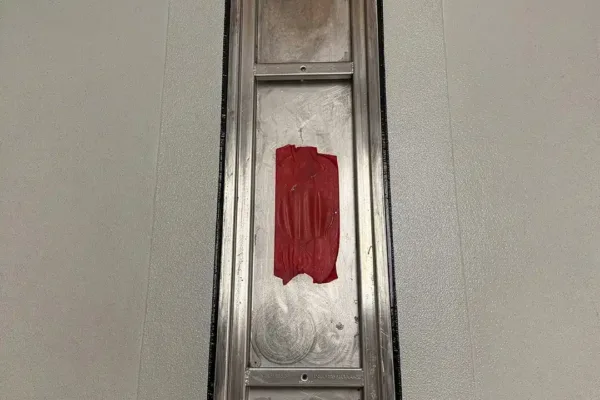
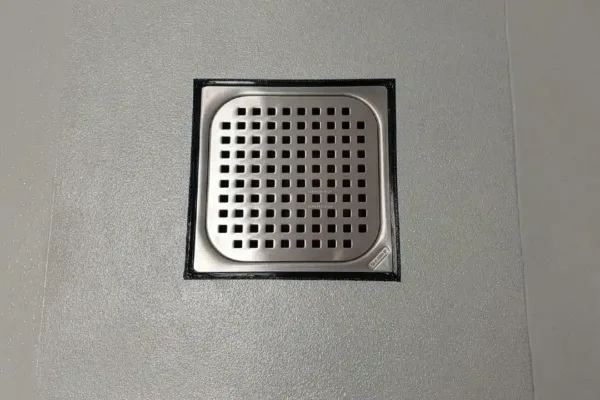
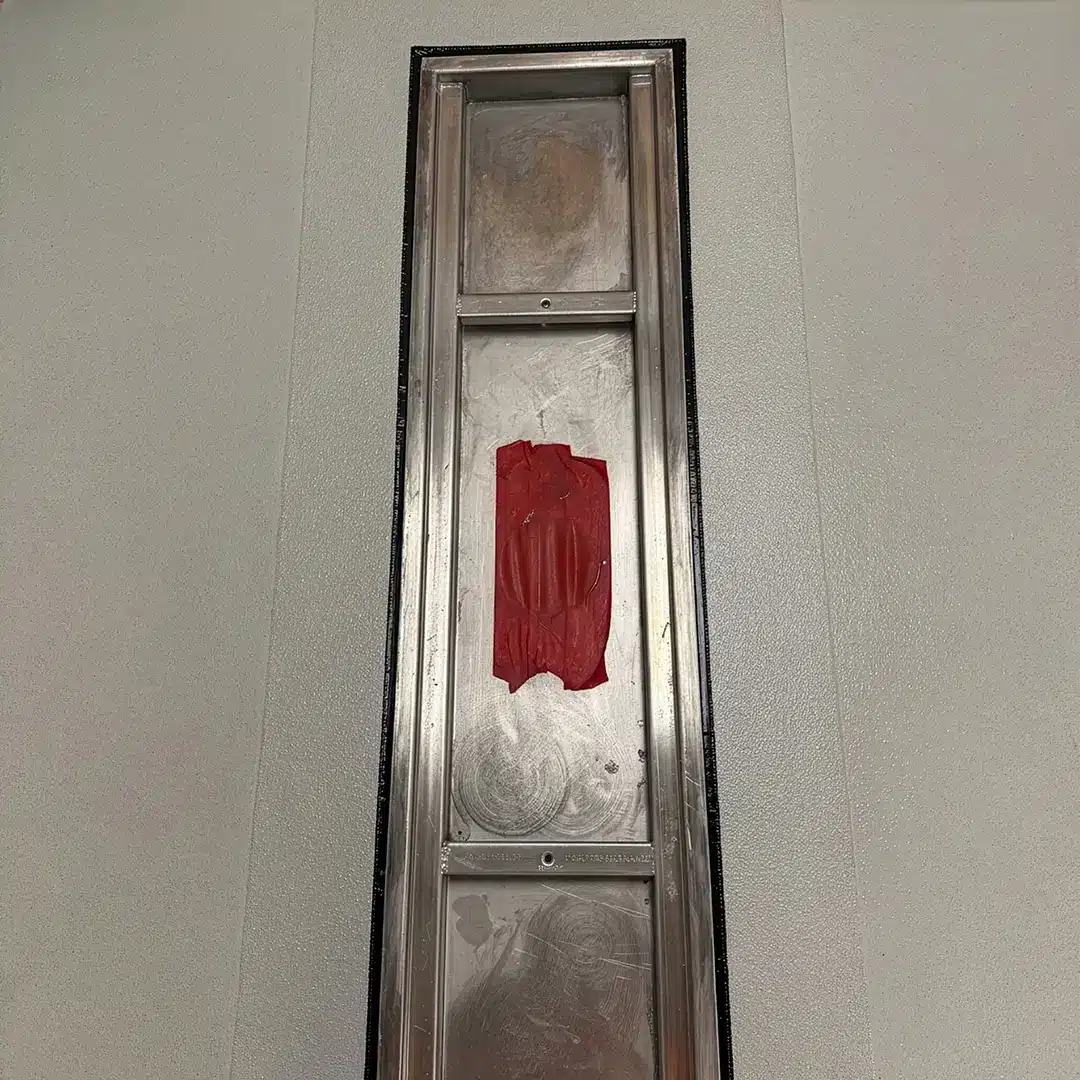
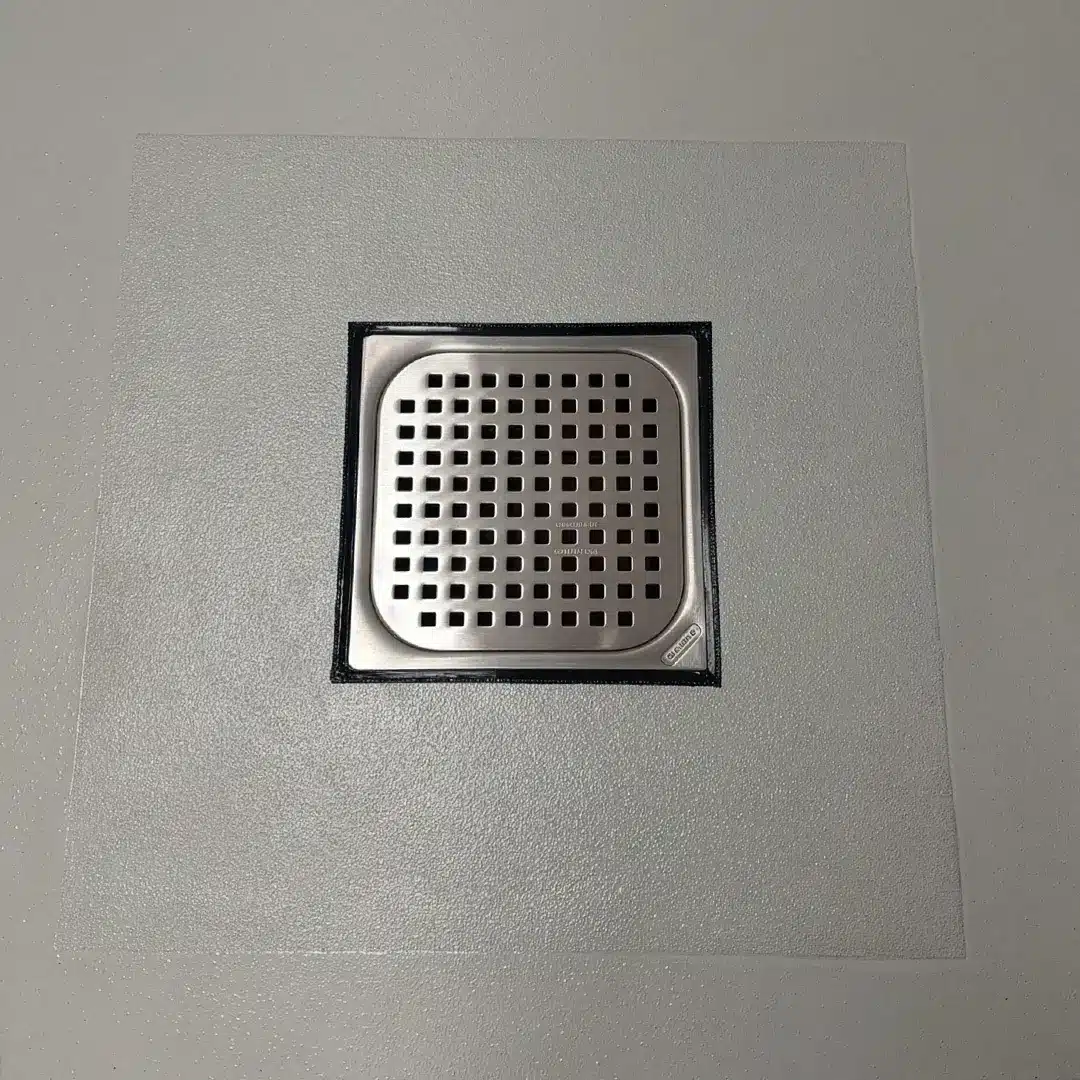
A client recently asked why we install joints around drains at Seafood City. That small detail serves an important purpose, especially in an above-grade facility, where the floor can flex and move.
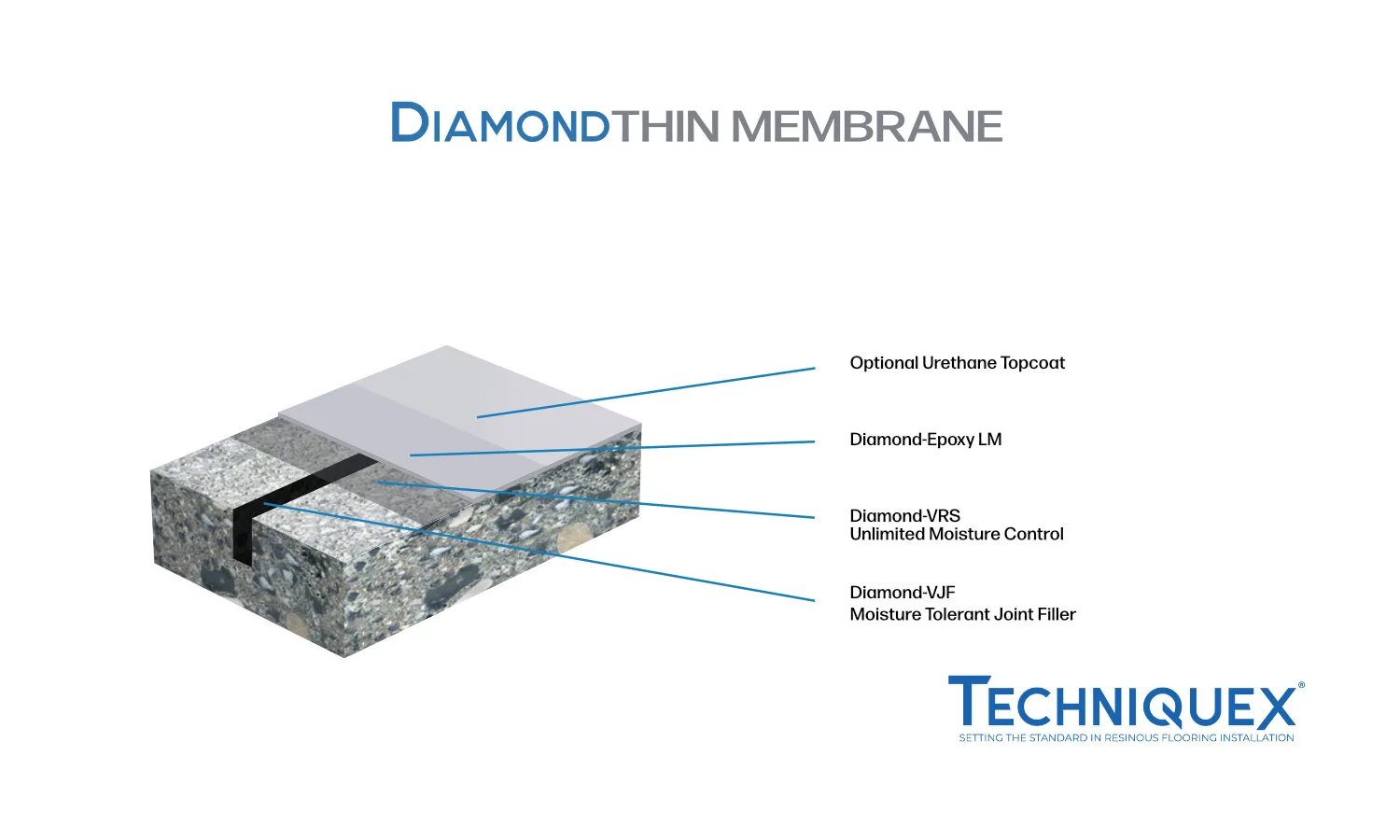
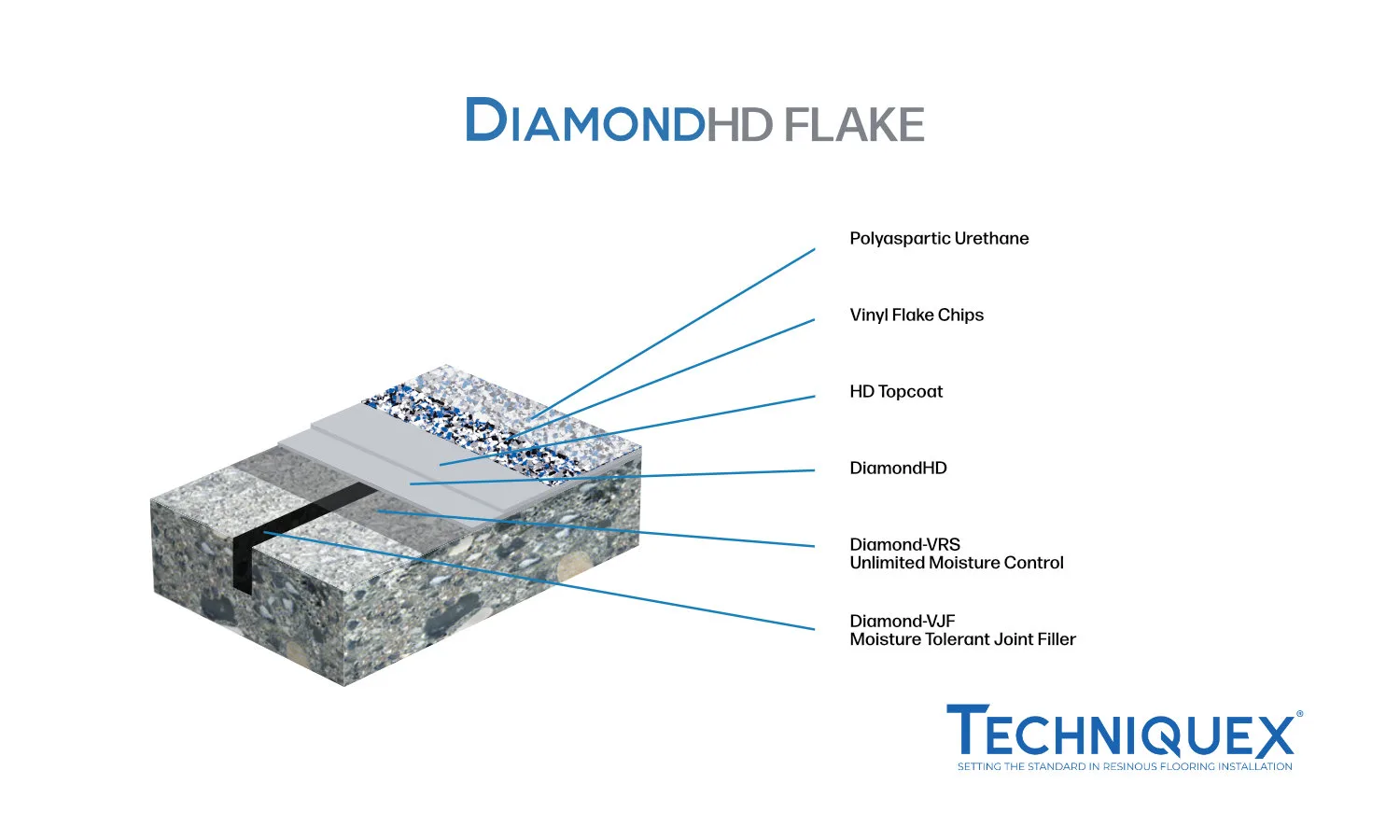
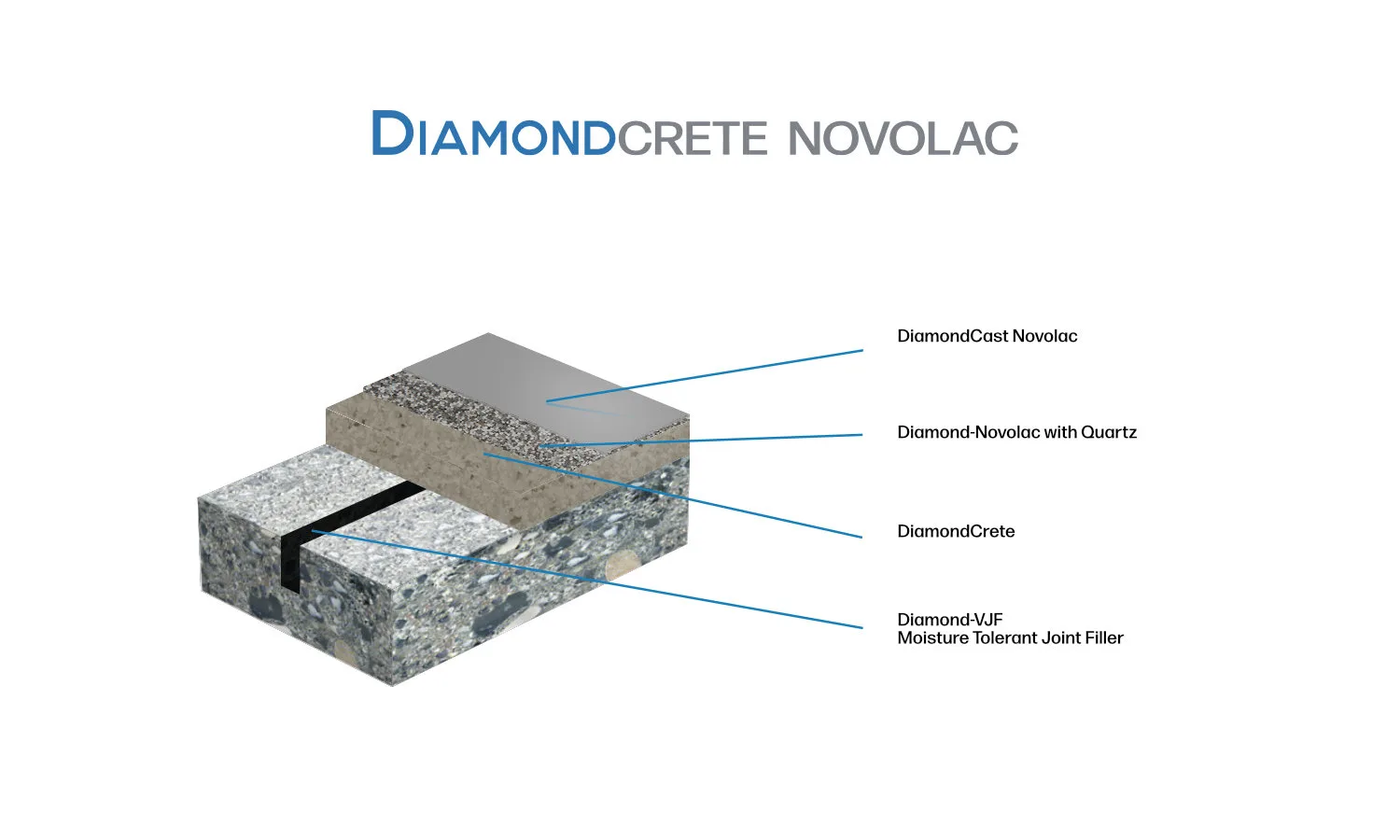
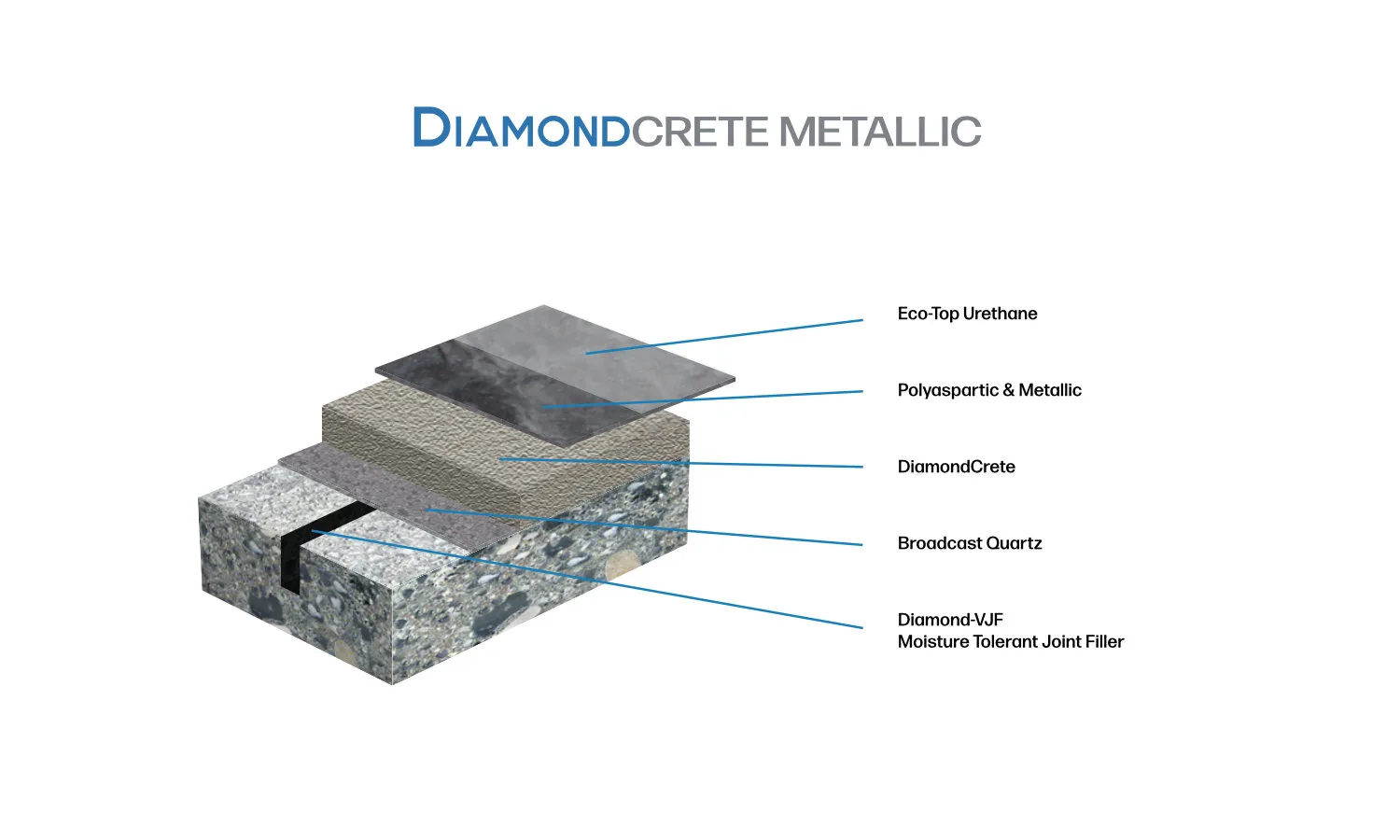
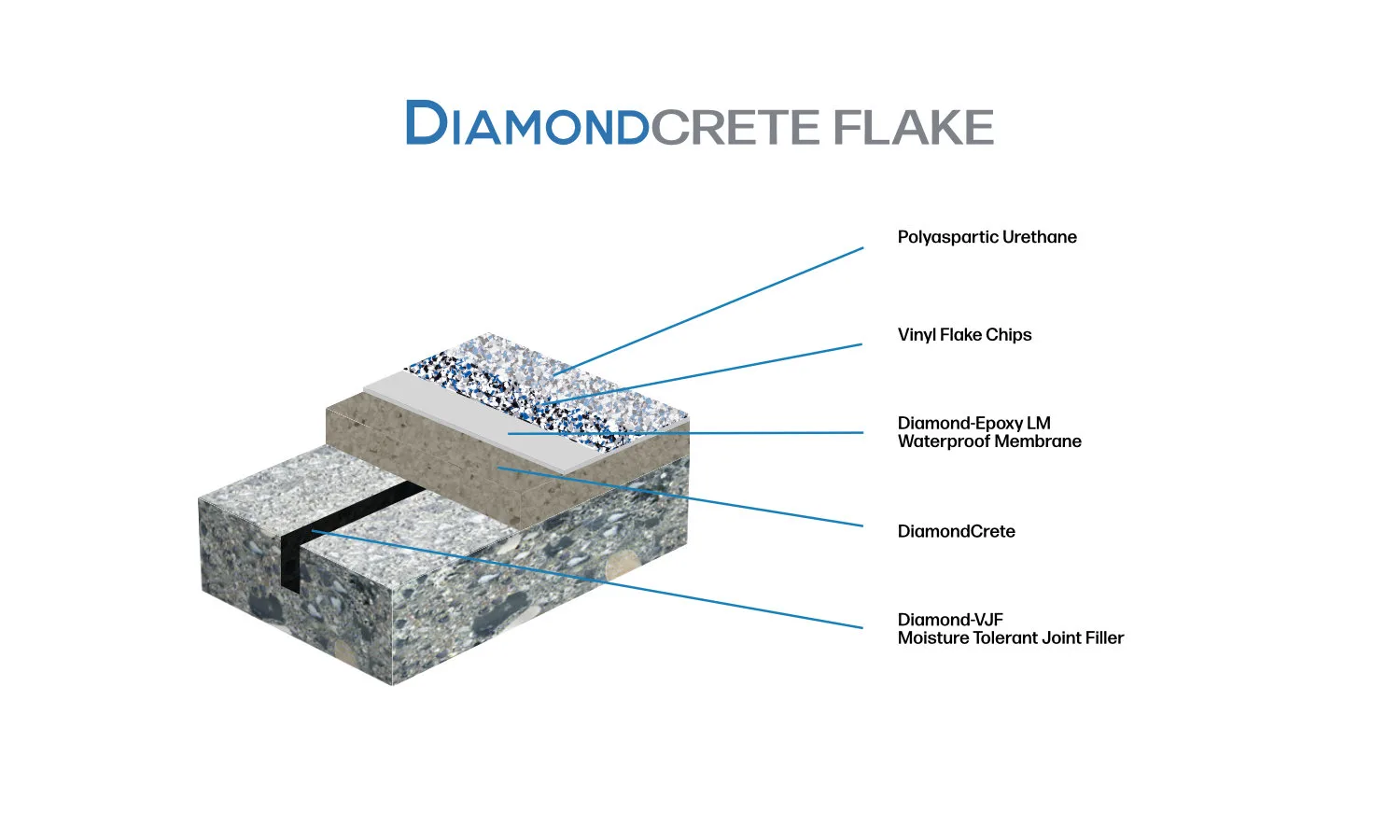
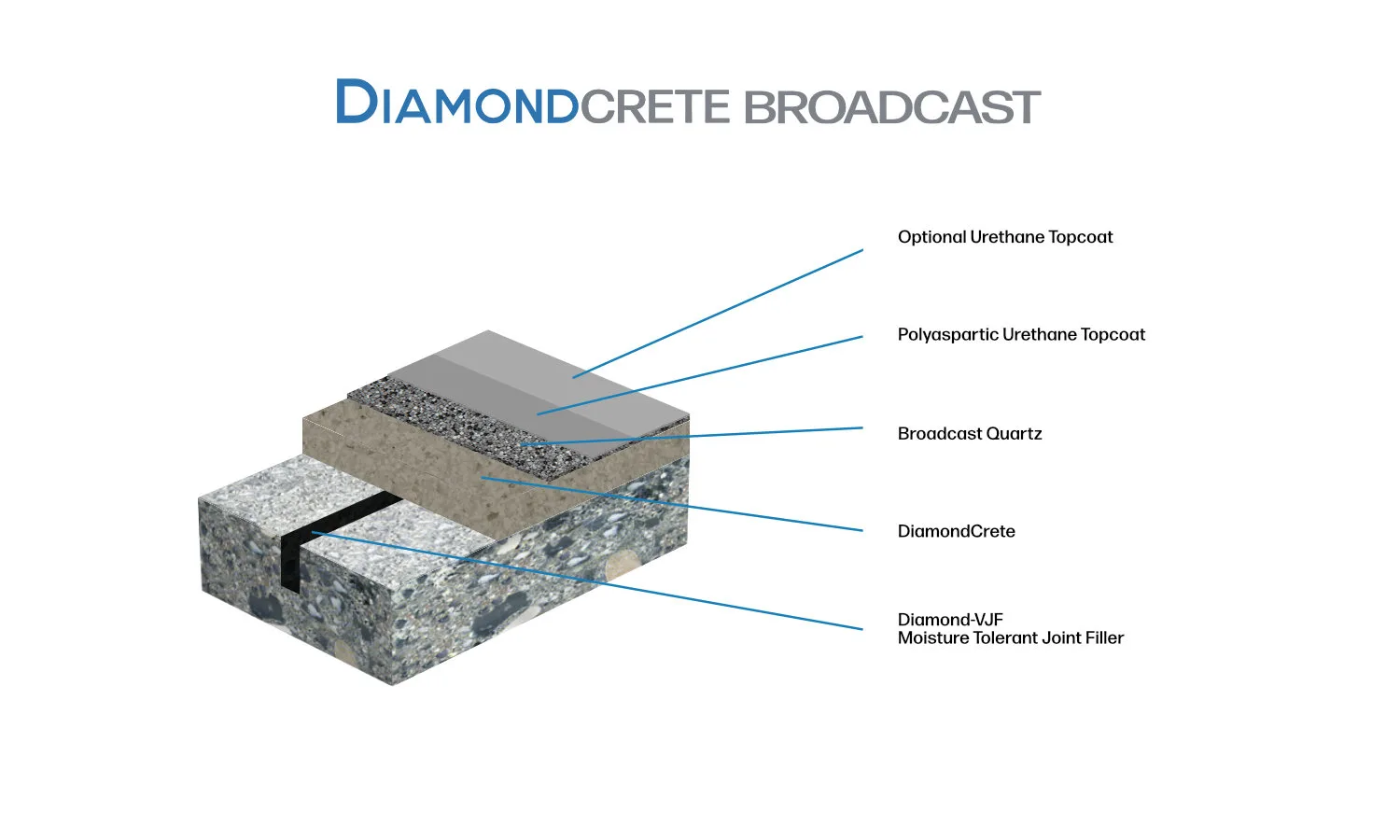
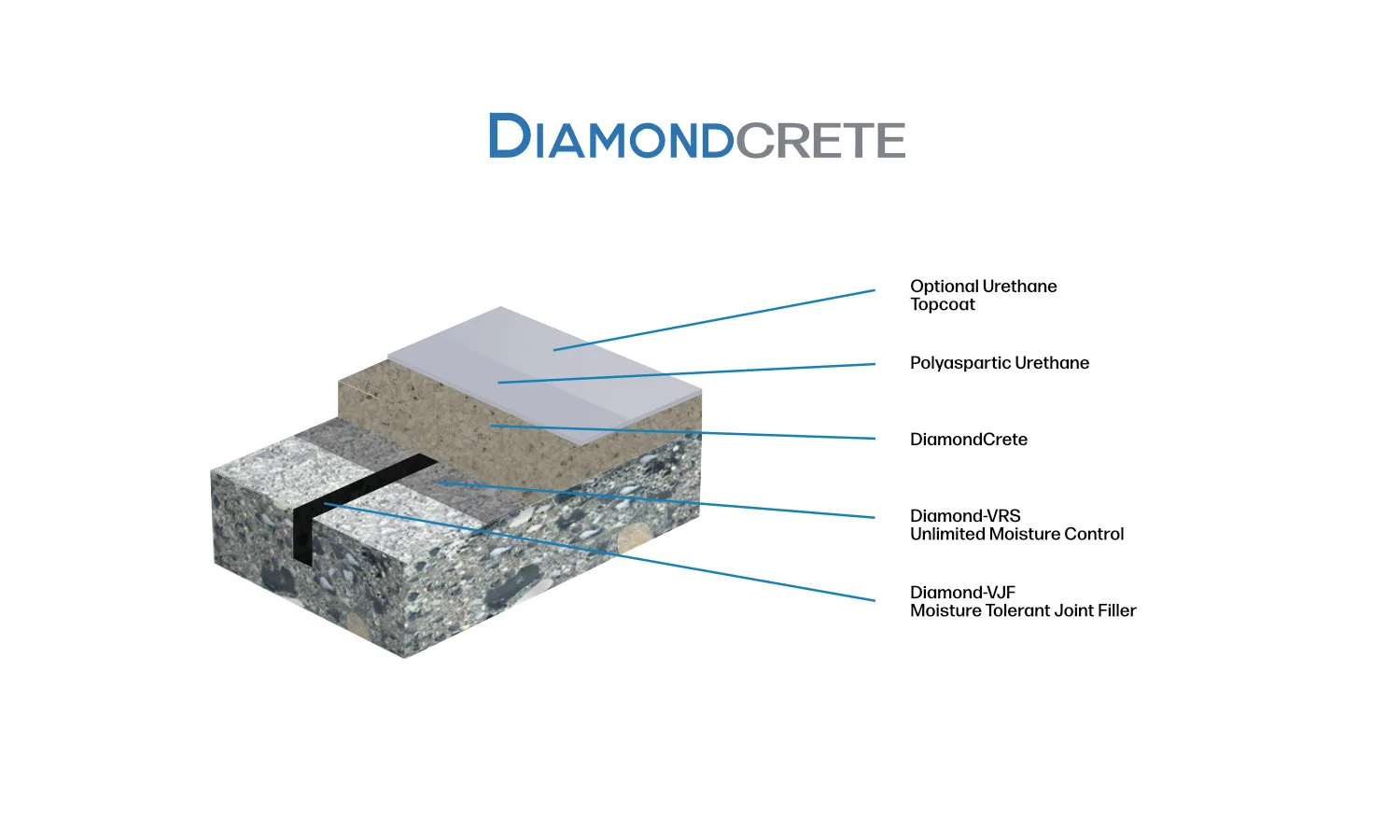
The concrete slab, resinous flooring system, and steel drain do not all respond to movement and temperature changes in the same way. Our DiamondCrete urethane cement flooring system expands and contracts at a rate very similar to concrete, but the connection to the steel drain still needs to accommodate movement.
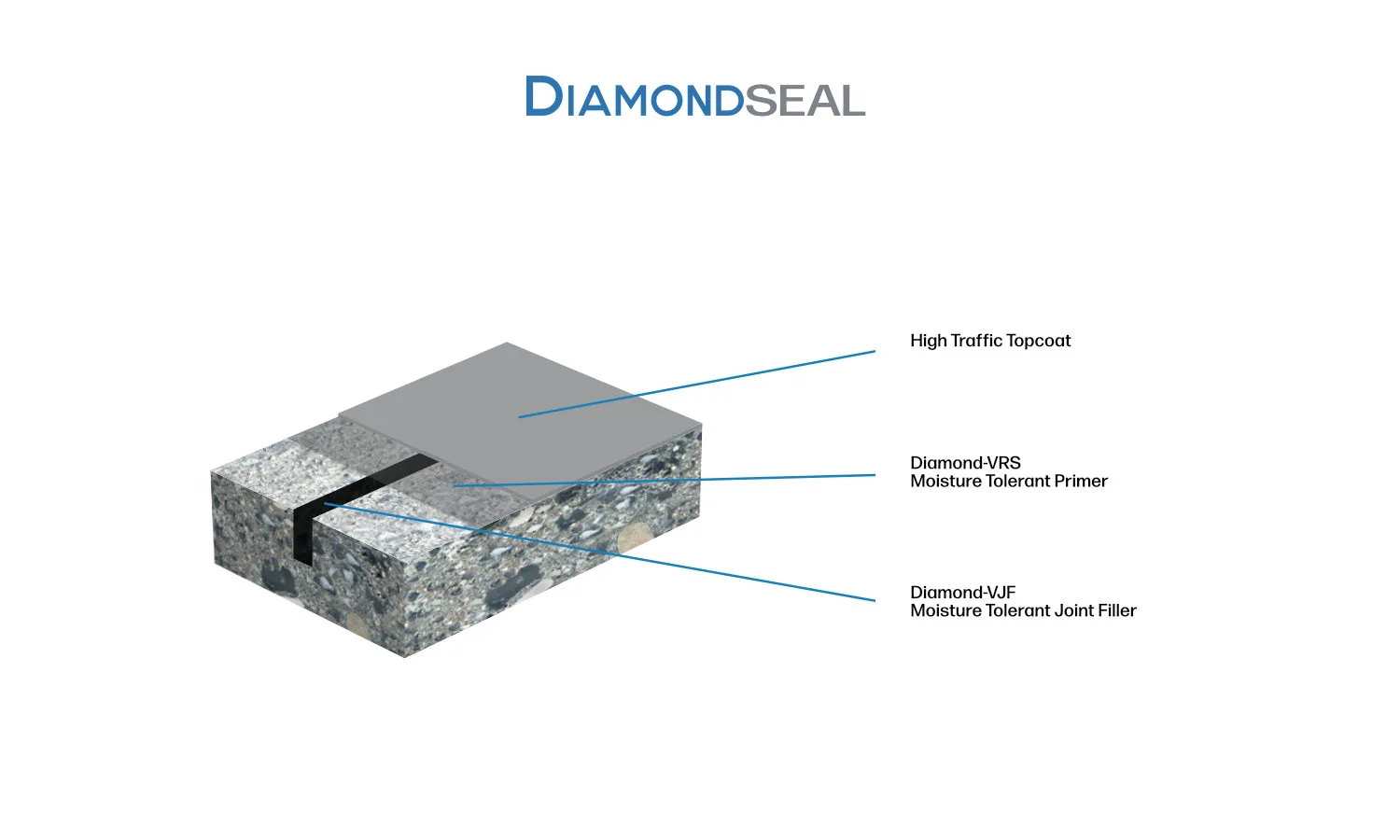
The quarter-inch joint around the drain is filled with a flexible urethane or polysulfide sealant, allowing slight movement at this transition. This helps relieve stress that could otherwise cause cracking where the flooring meets the drain, potentially creating a path for water to leak into the space below.
While clients don’t always follow this recommendation, our best practice is to provide a flexible joint around drains. If movement isn’t given a place to go, it will find its own relief, often as a crack in the flooring.
It’s a small joint with an important job: helping protect the flooring system at one of its most vulnerable points.