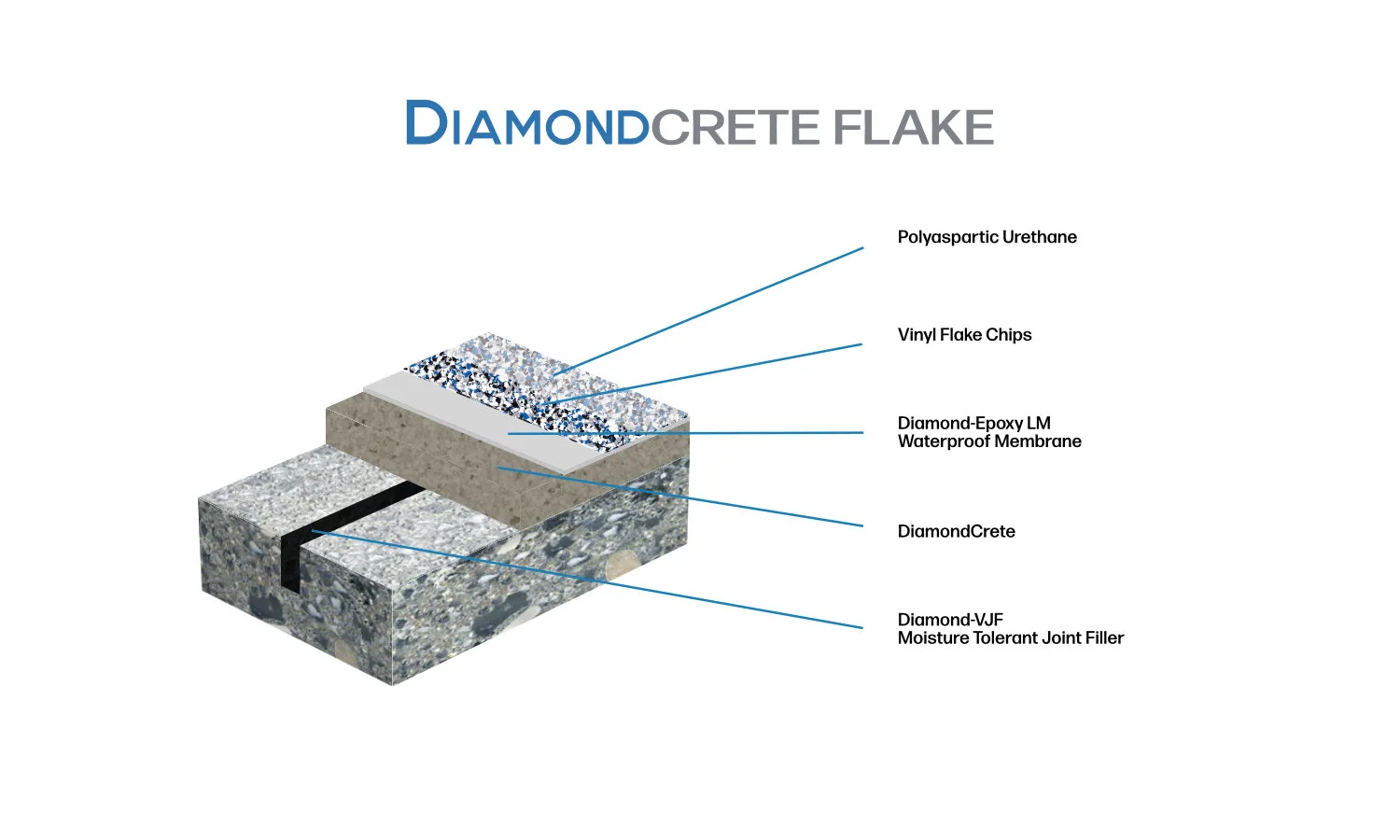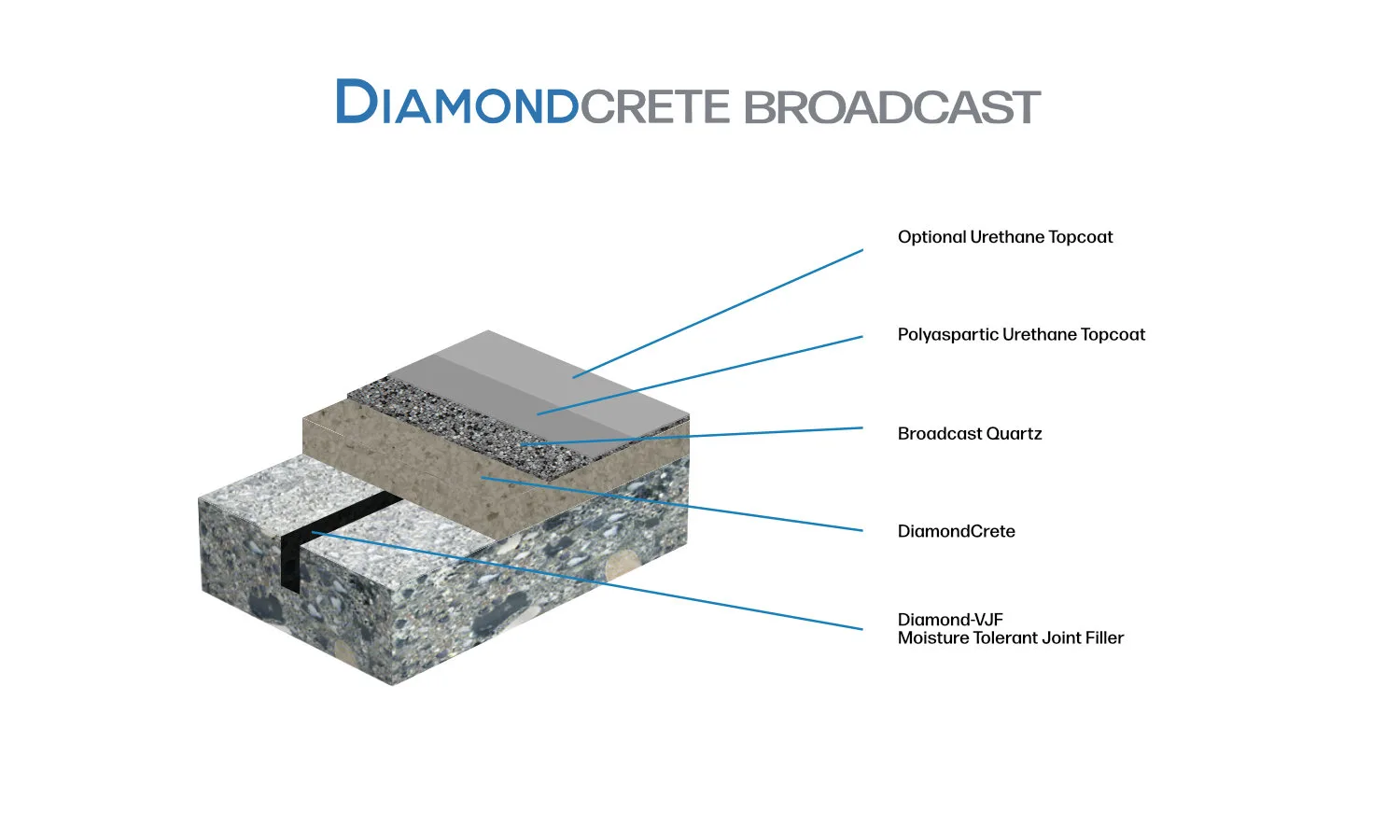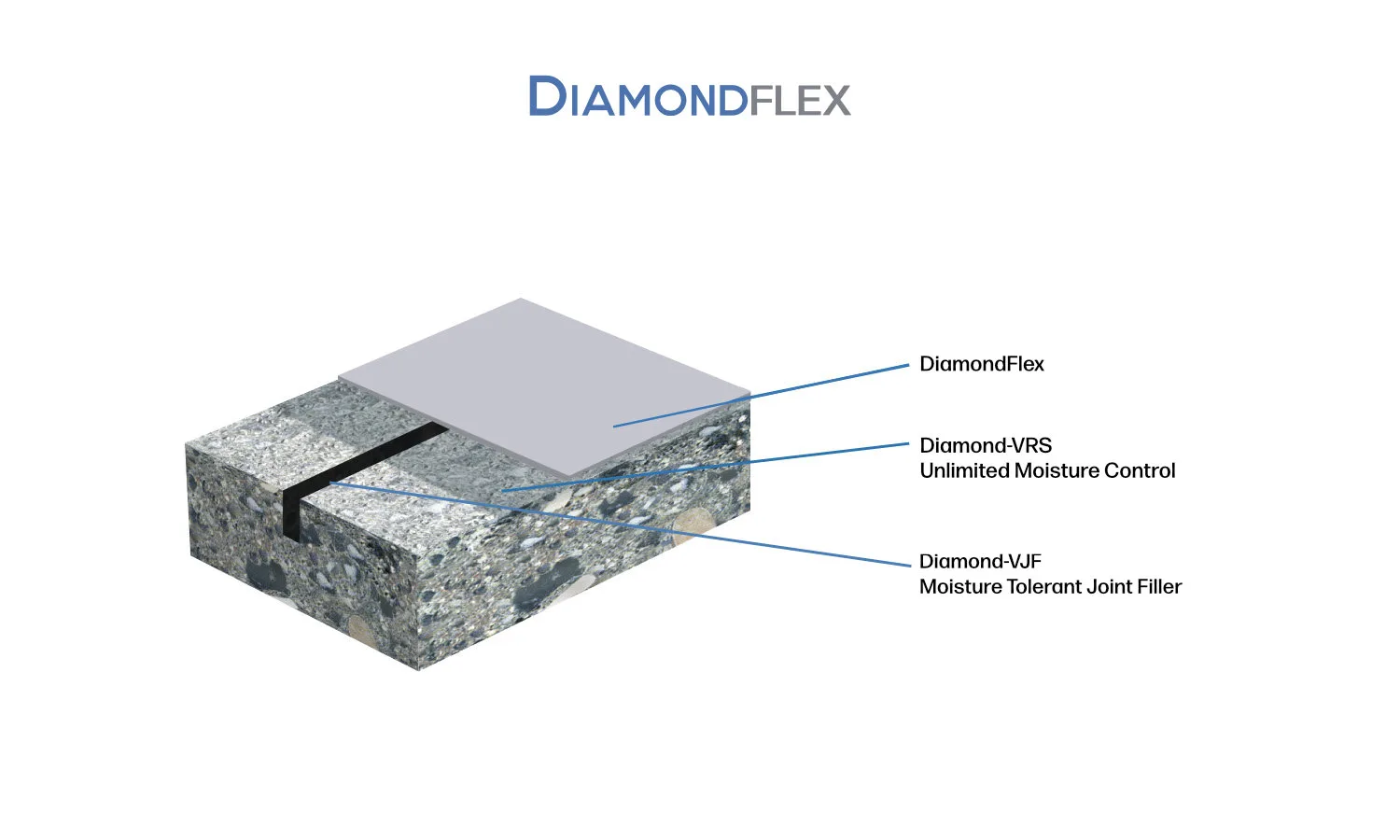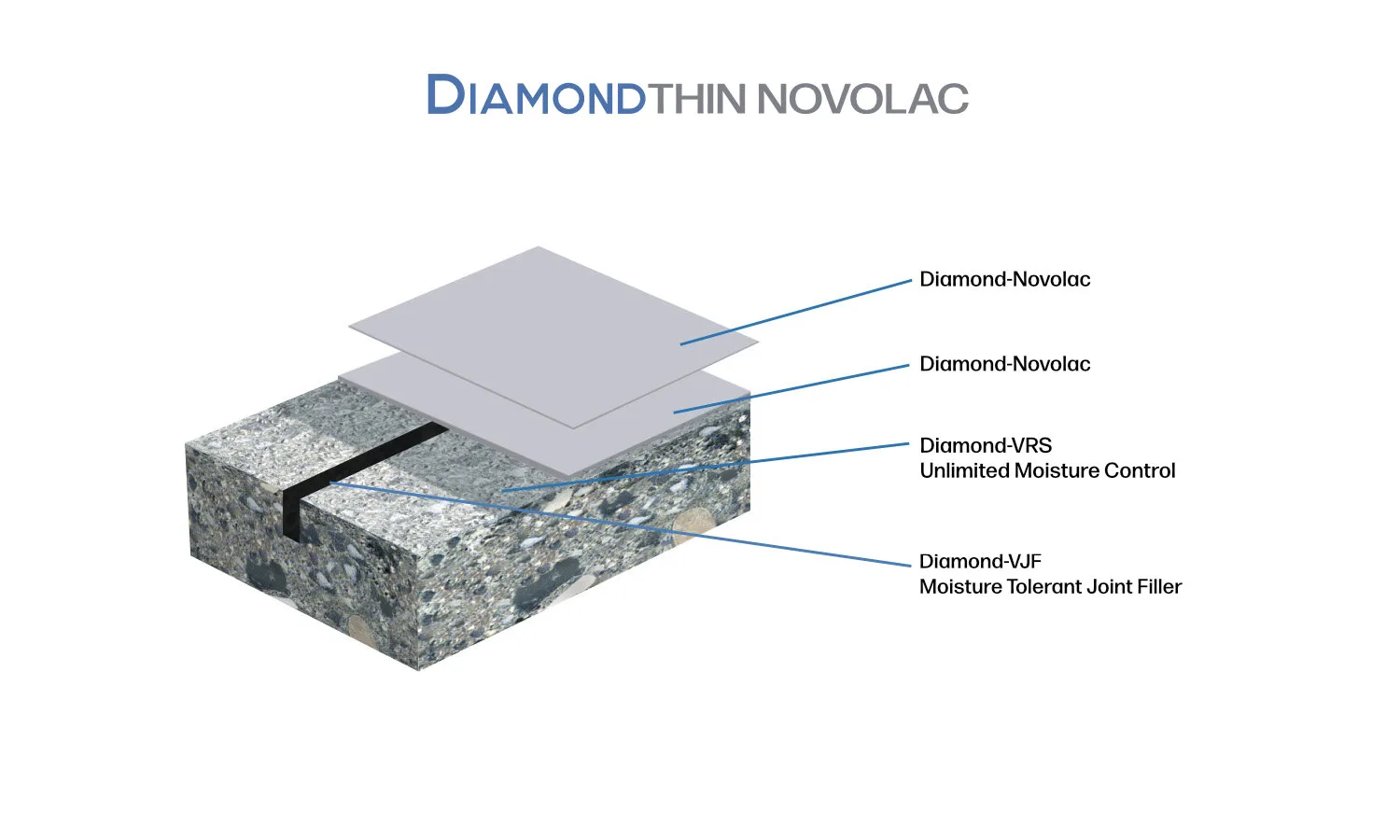
Polyaspartic vs Epoxy: What’s The Difference?
Epoxy vs. Polyaspartic Urethane
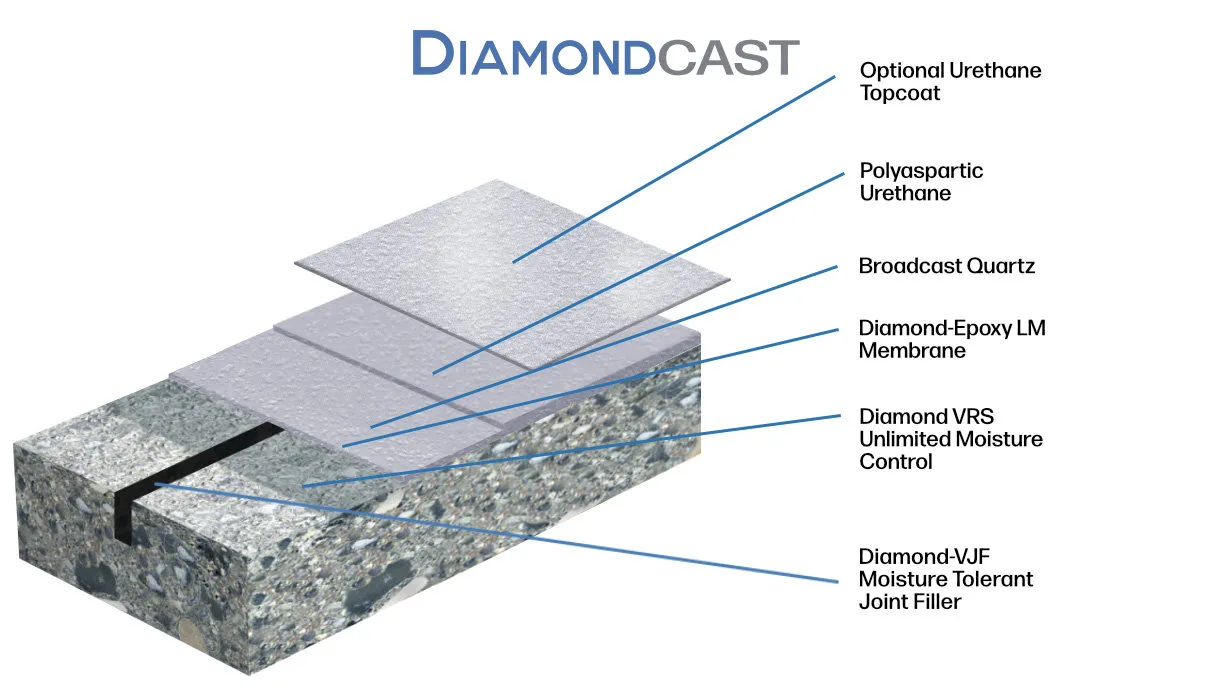
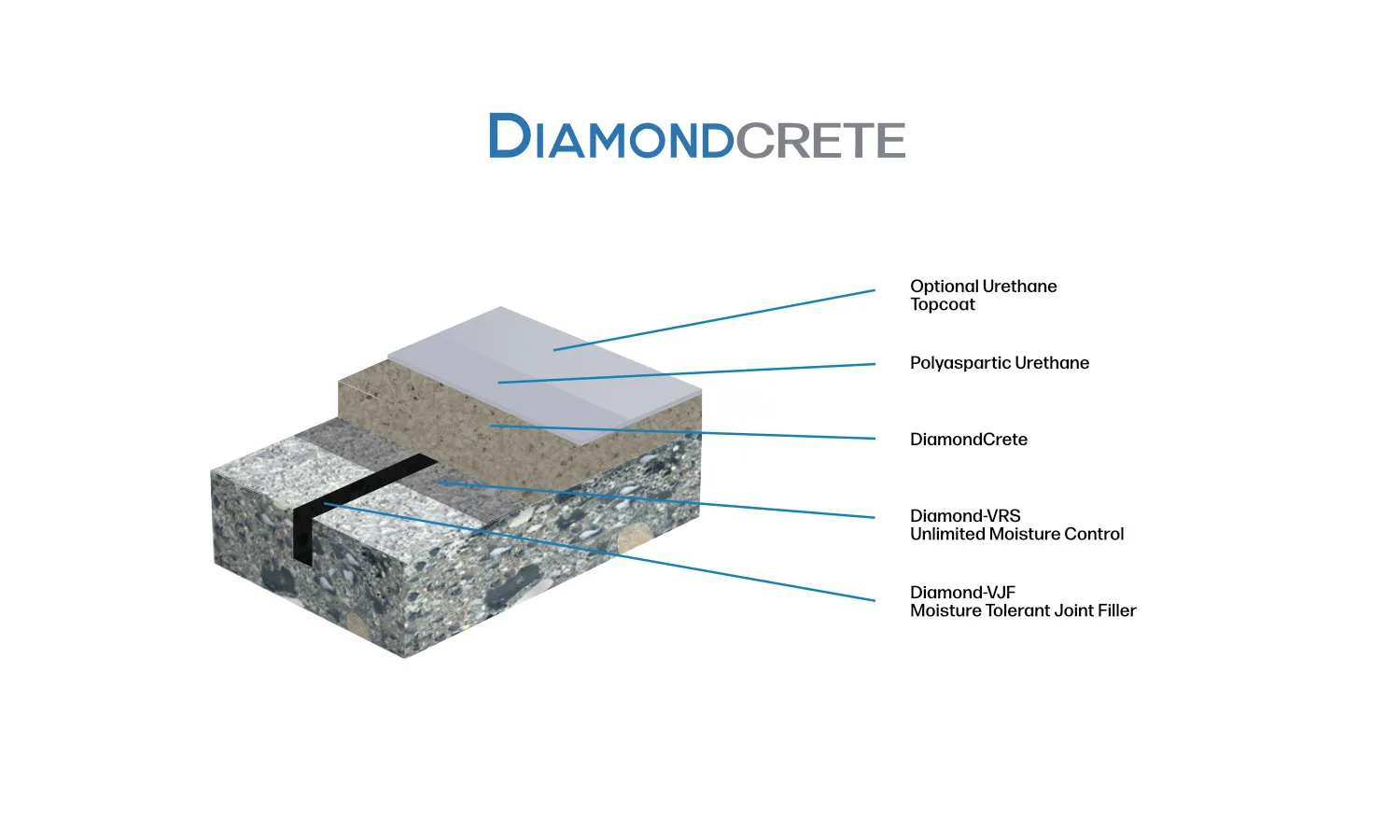
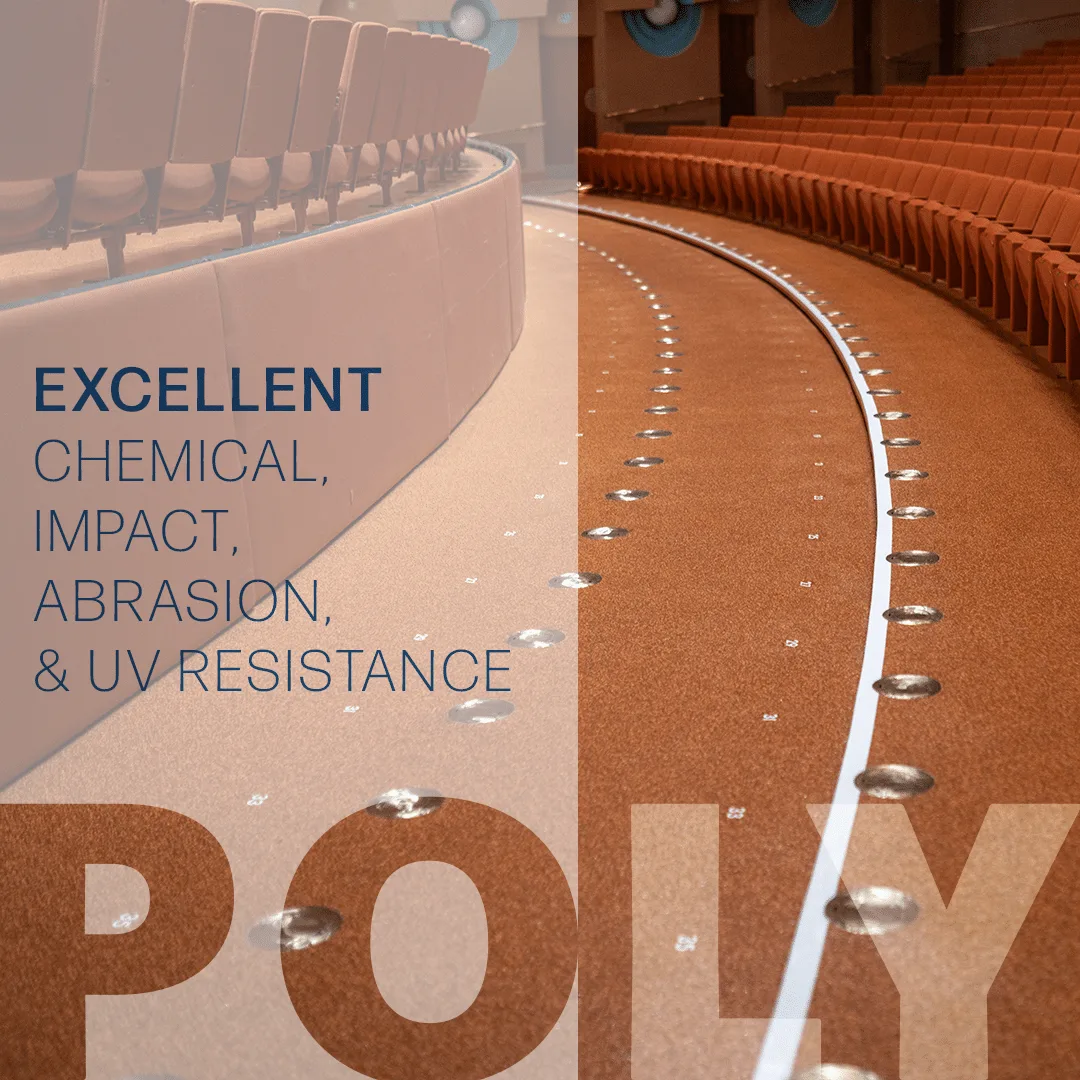
Polyaspartic urethanes cure faster, allow quicker return-to-service, and offer excellent UV stability. Epoxies cure slower, are more forgiving, and have been the backbone of industrial flooring systems for decades.
But speed is not the same thing as system performance.
One of the biggest misconceptions in the coatings industry today is the idea that polyaspartic urethanes can replace epoxy as a primer. In reality, epoxy and polyaspartic chemistry behave very differently when they come into contact with concrete, moisture, and vapor transmission. This difference will make or break the floor.
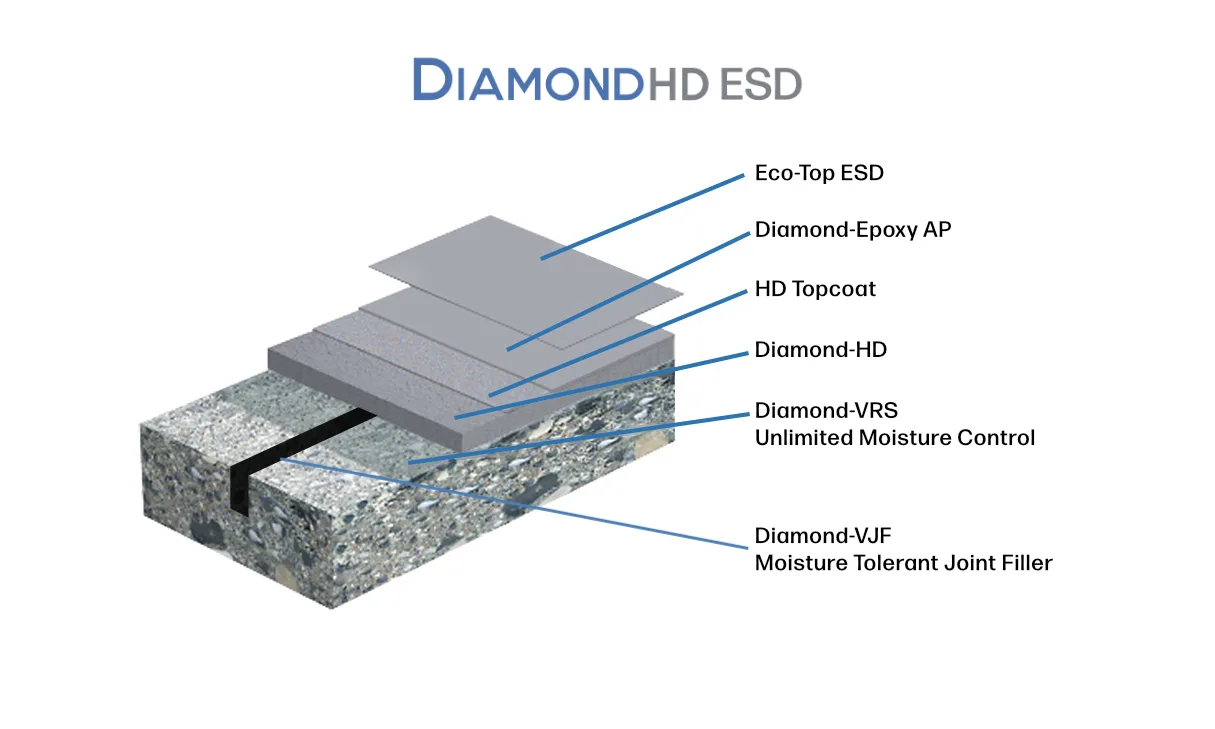
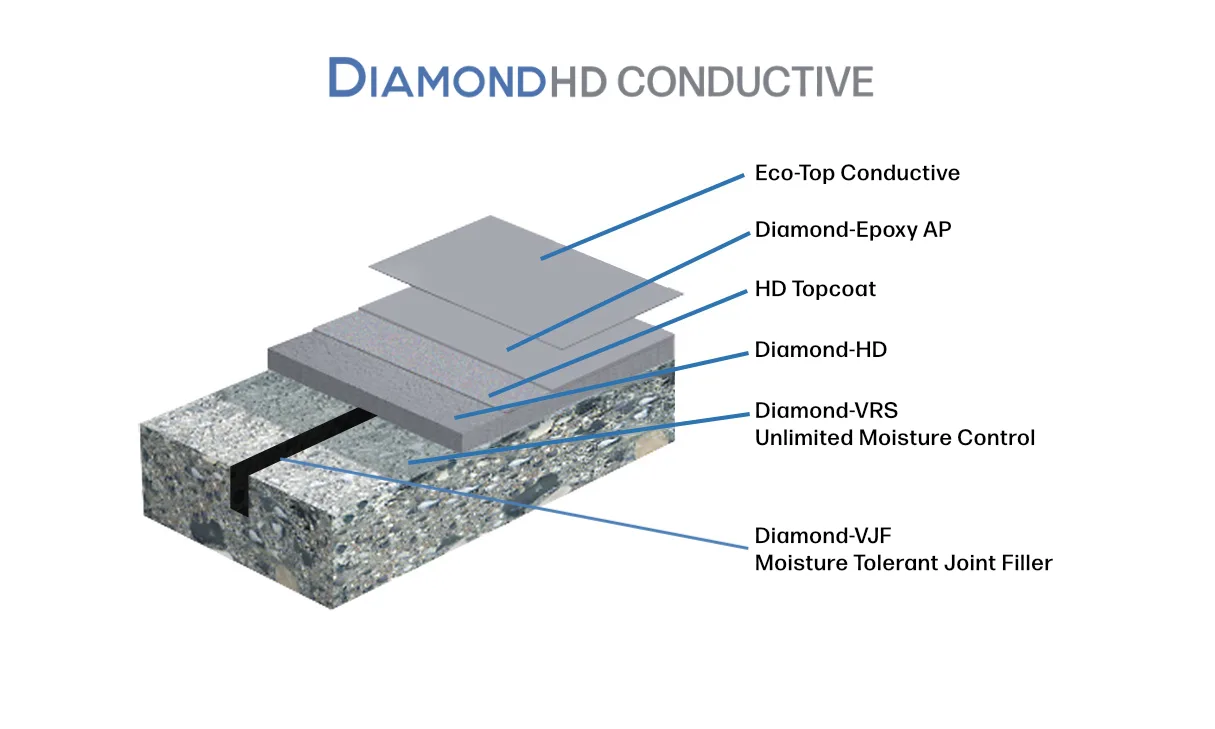
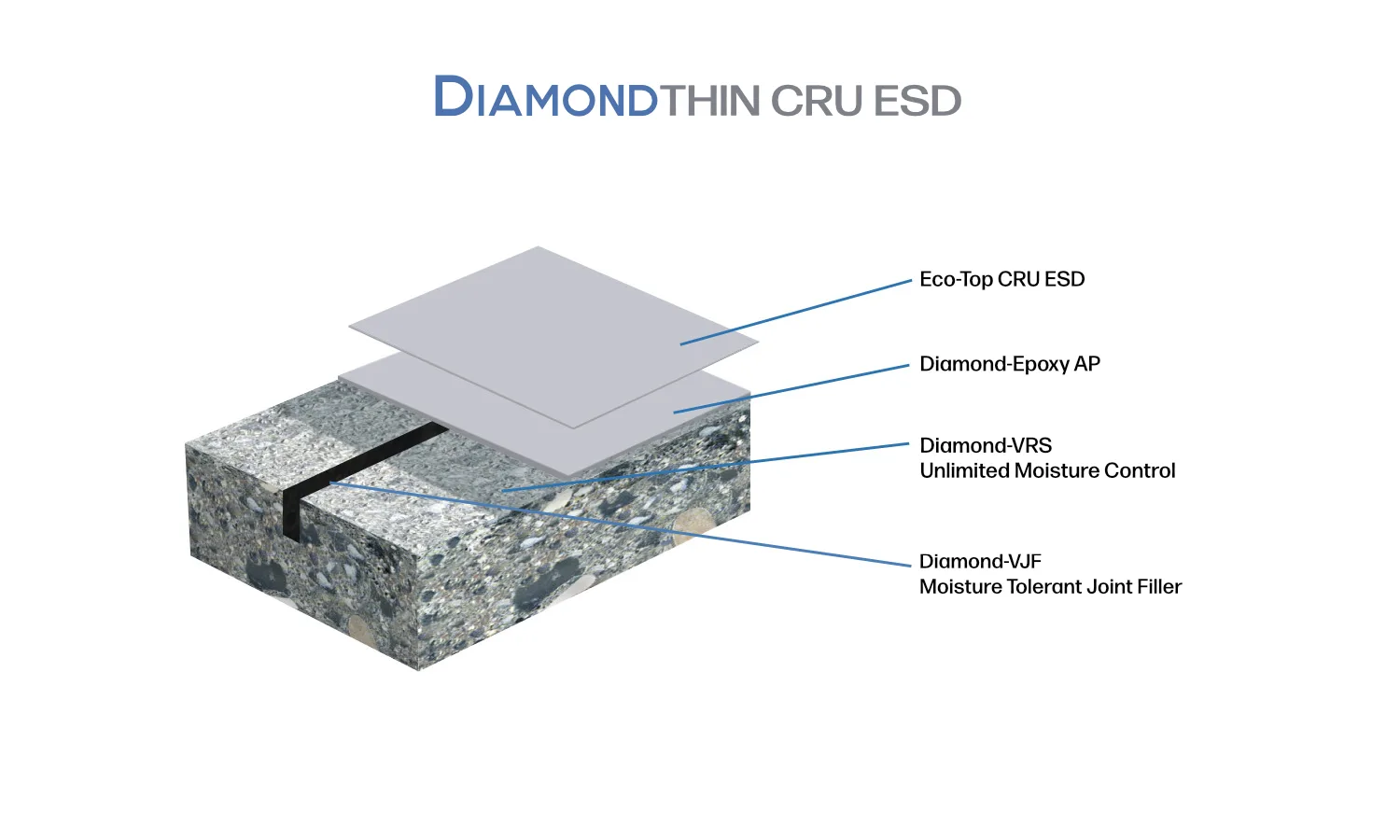
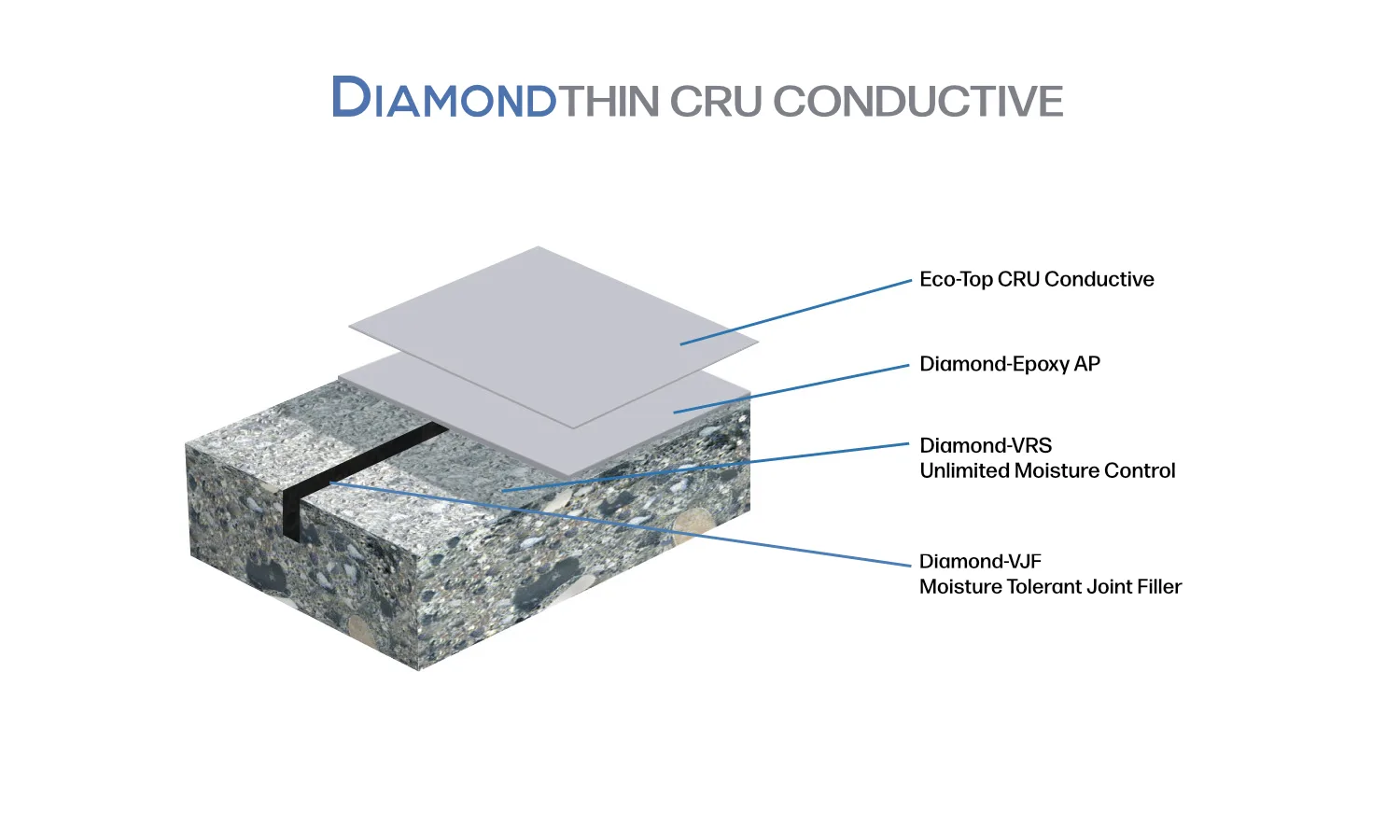
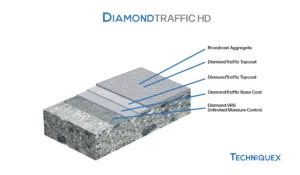
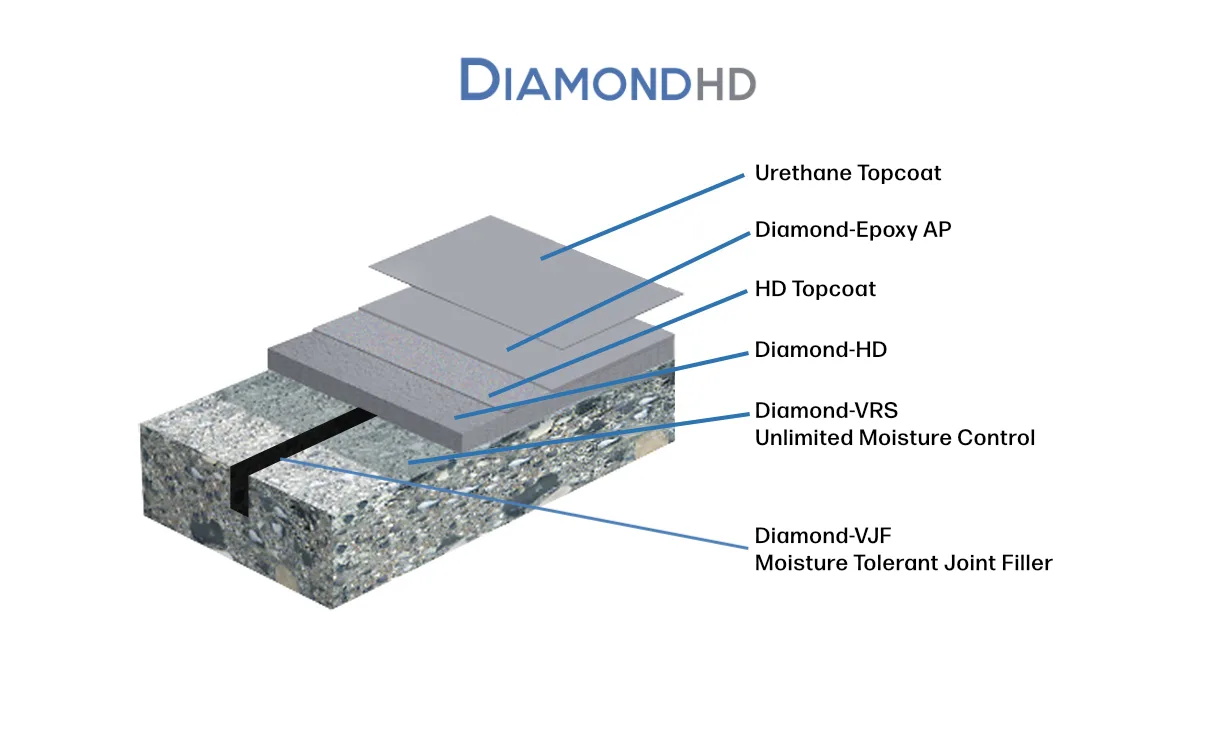
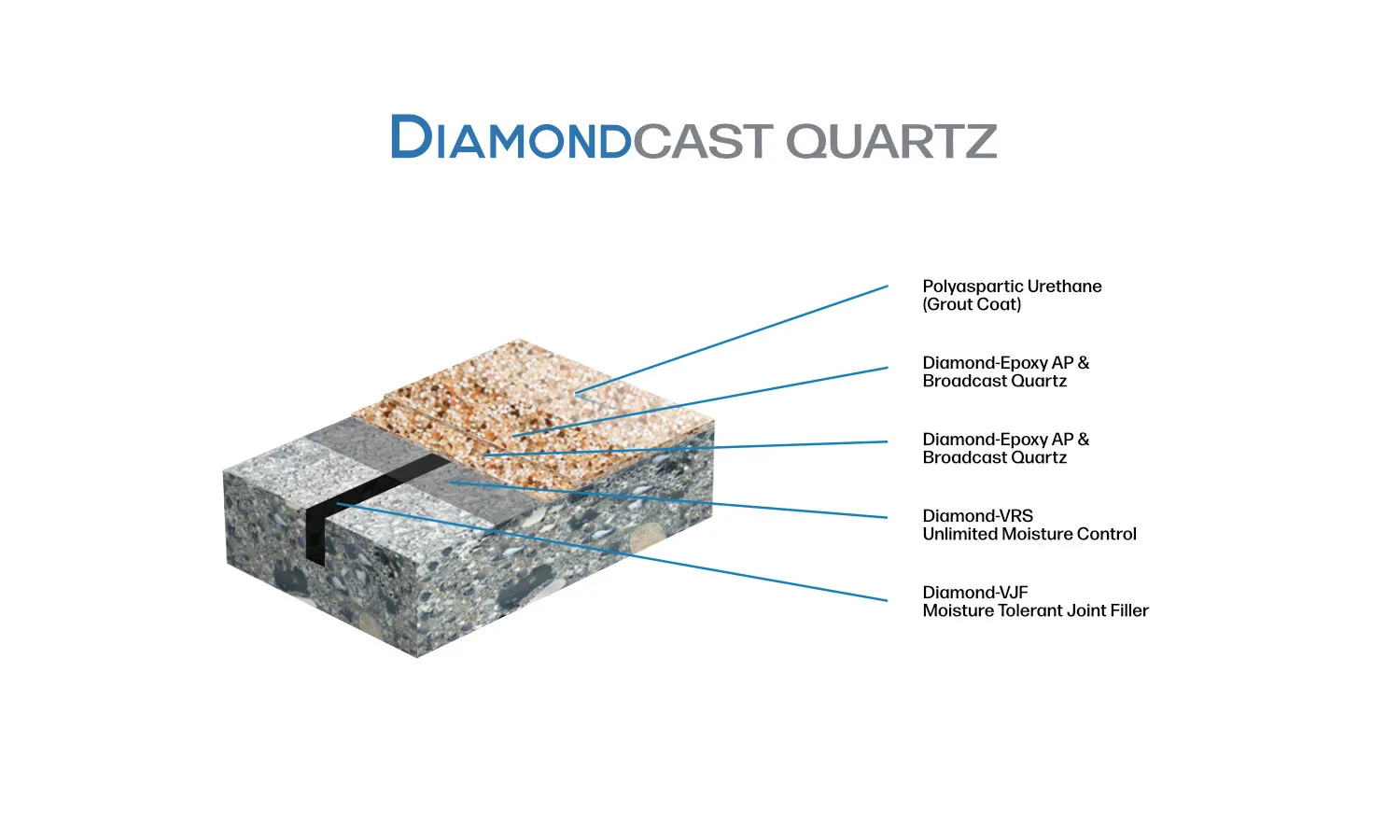
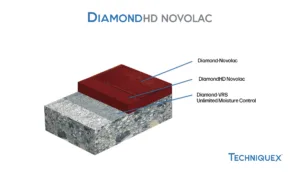
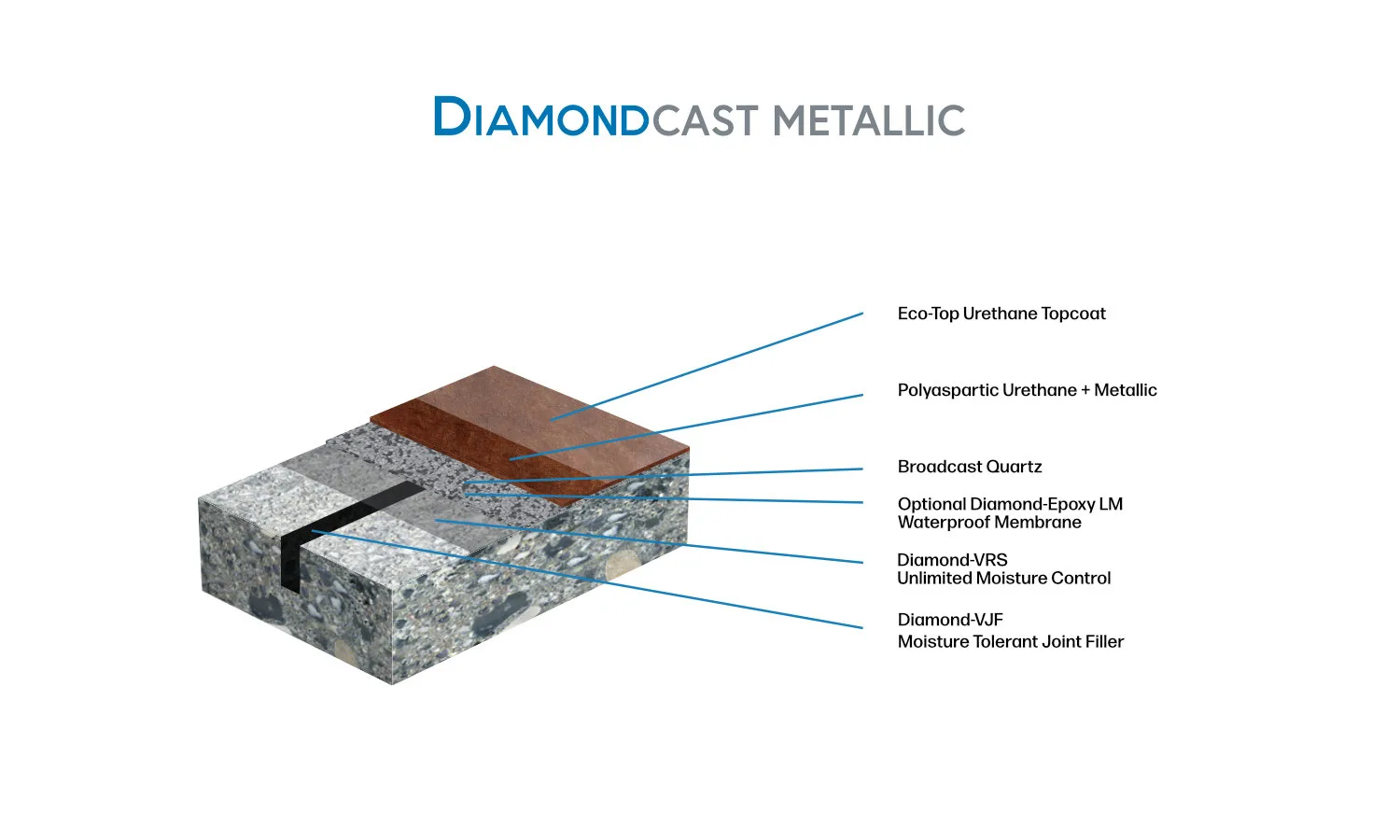
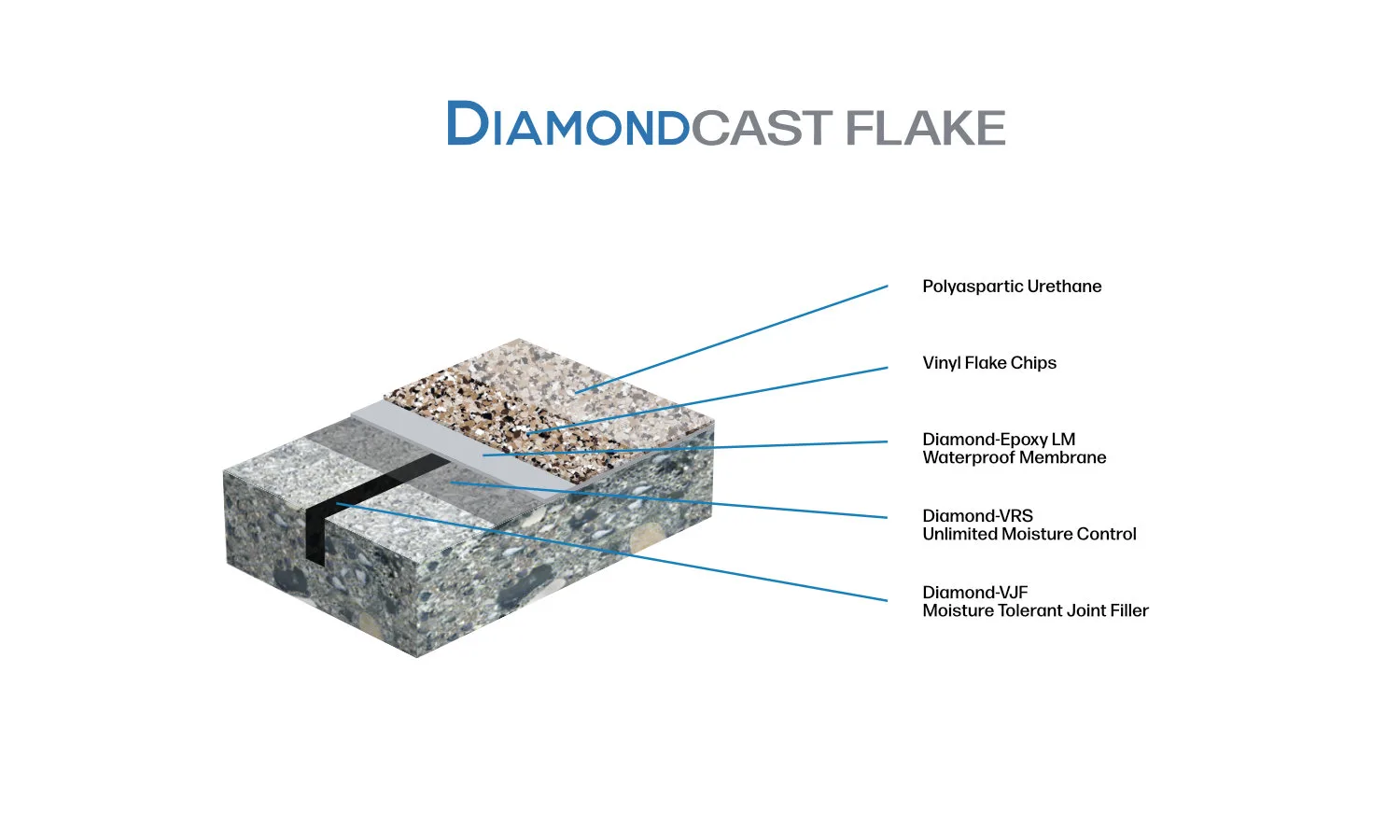
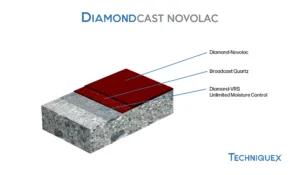
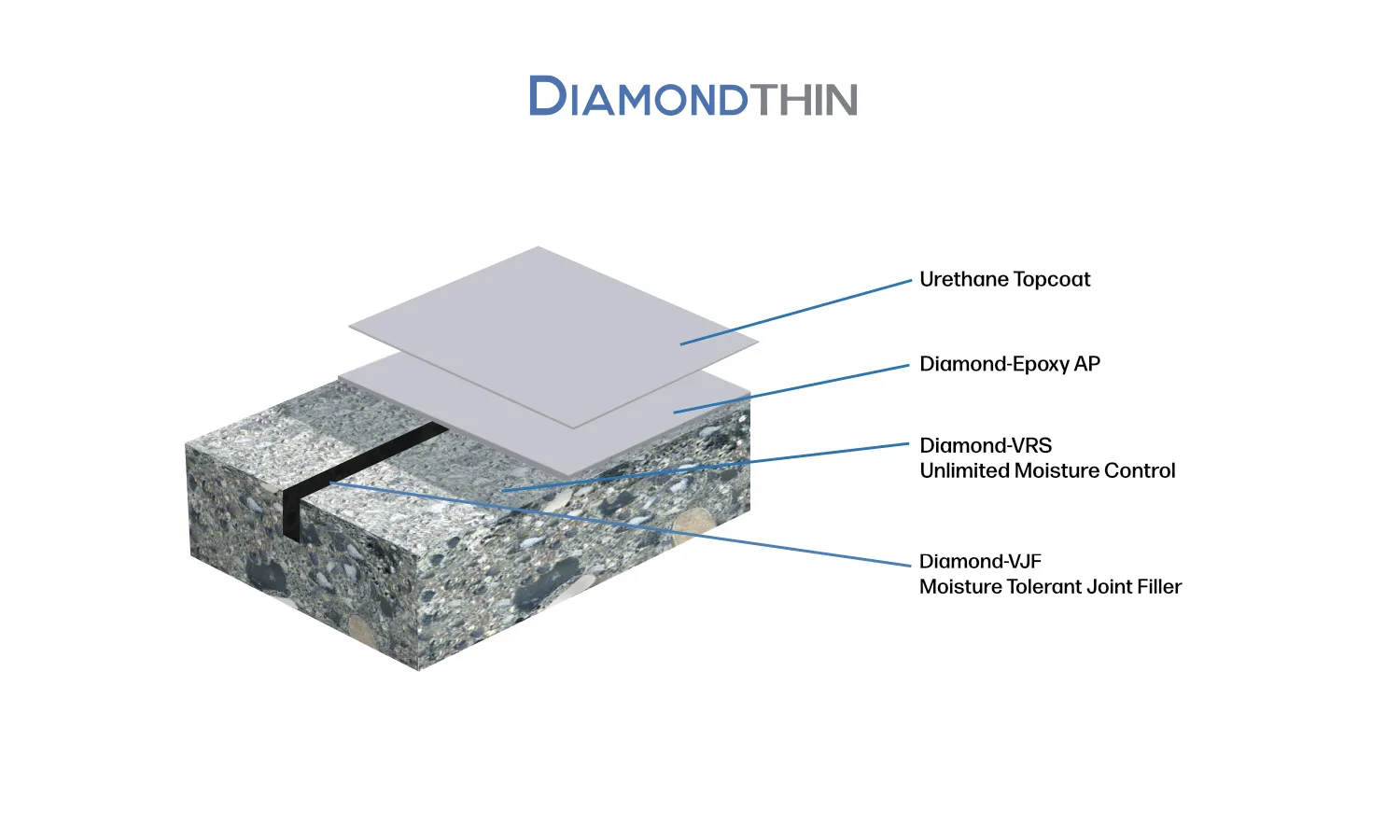
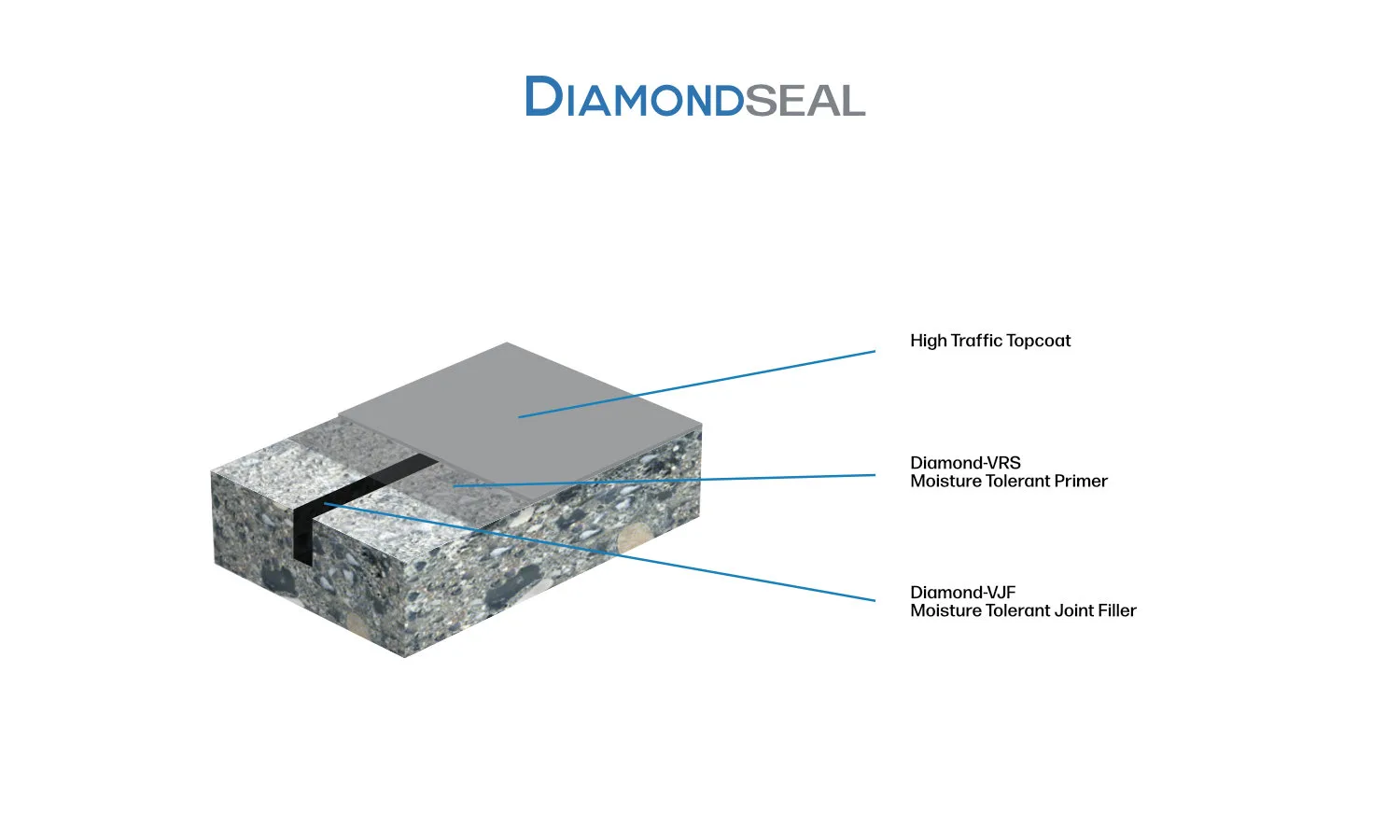
Why Epoxy Makes a Better Primer
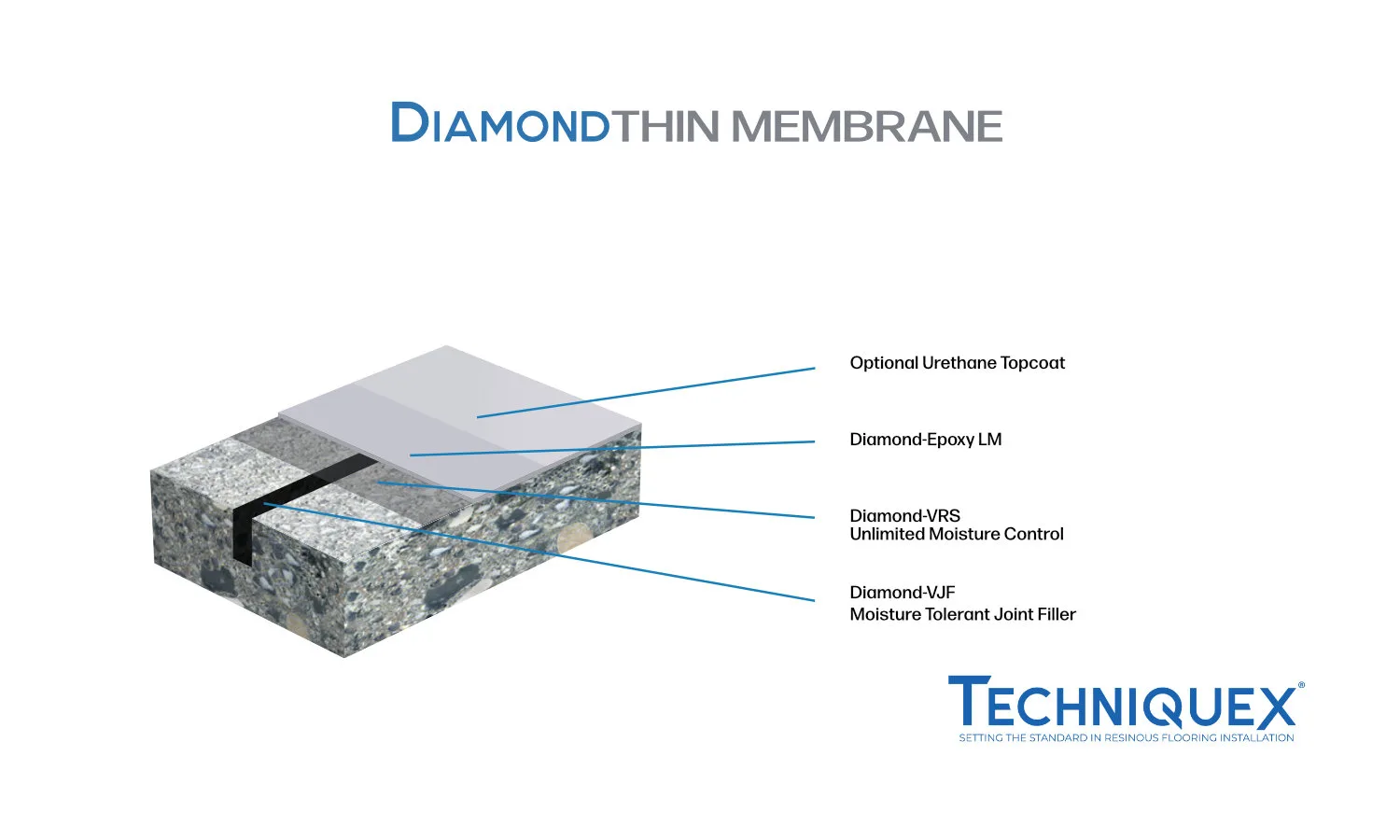
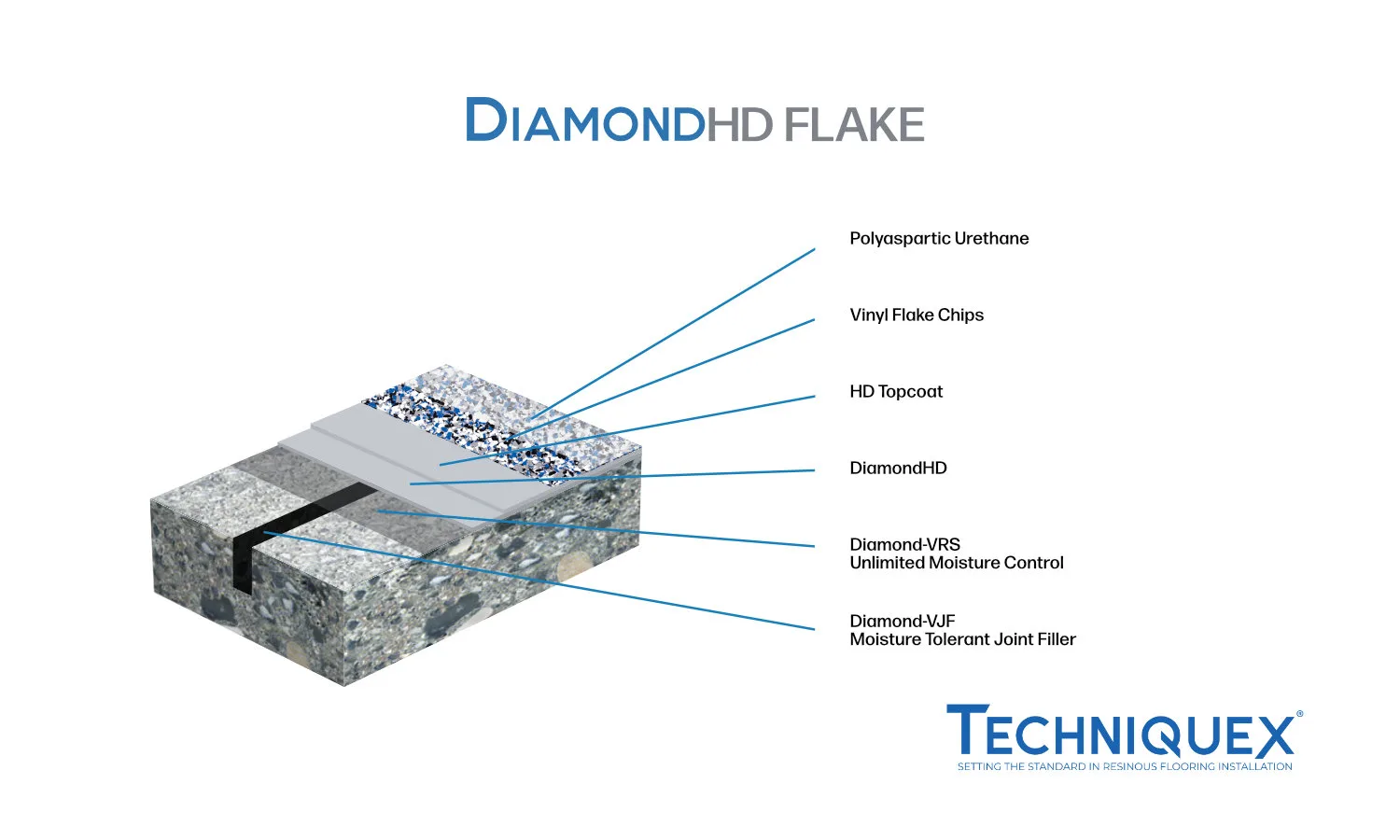
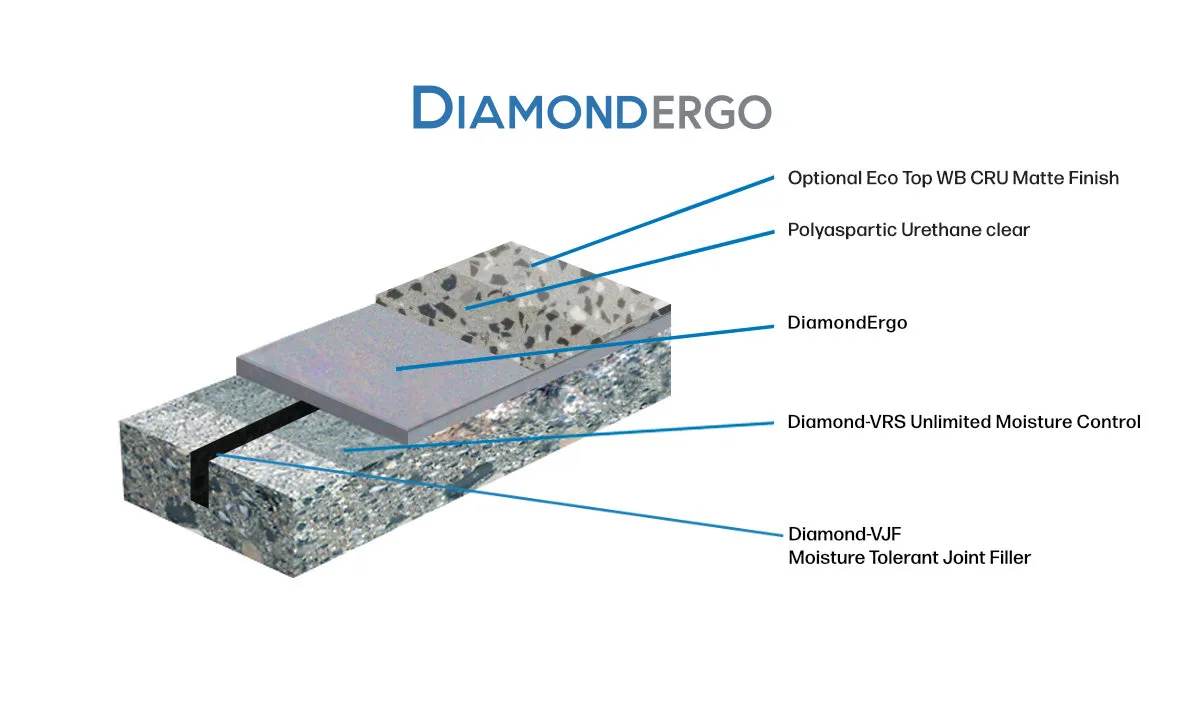
Concrete is porous, alkaline, and constantly exchanging moisture vapor with the environment. A primer’s job is not simply to “stick” to the substrate, it must penetrate the concrete, have unlimited tolerance to moisture vapor emissions, and create a permanent bond to the concrete for the rest of the system to bond to.
This is where epoxy consistently outperforms polyaspartic urethane.
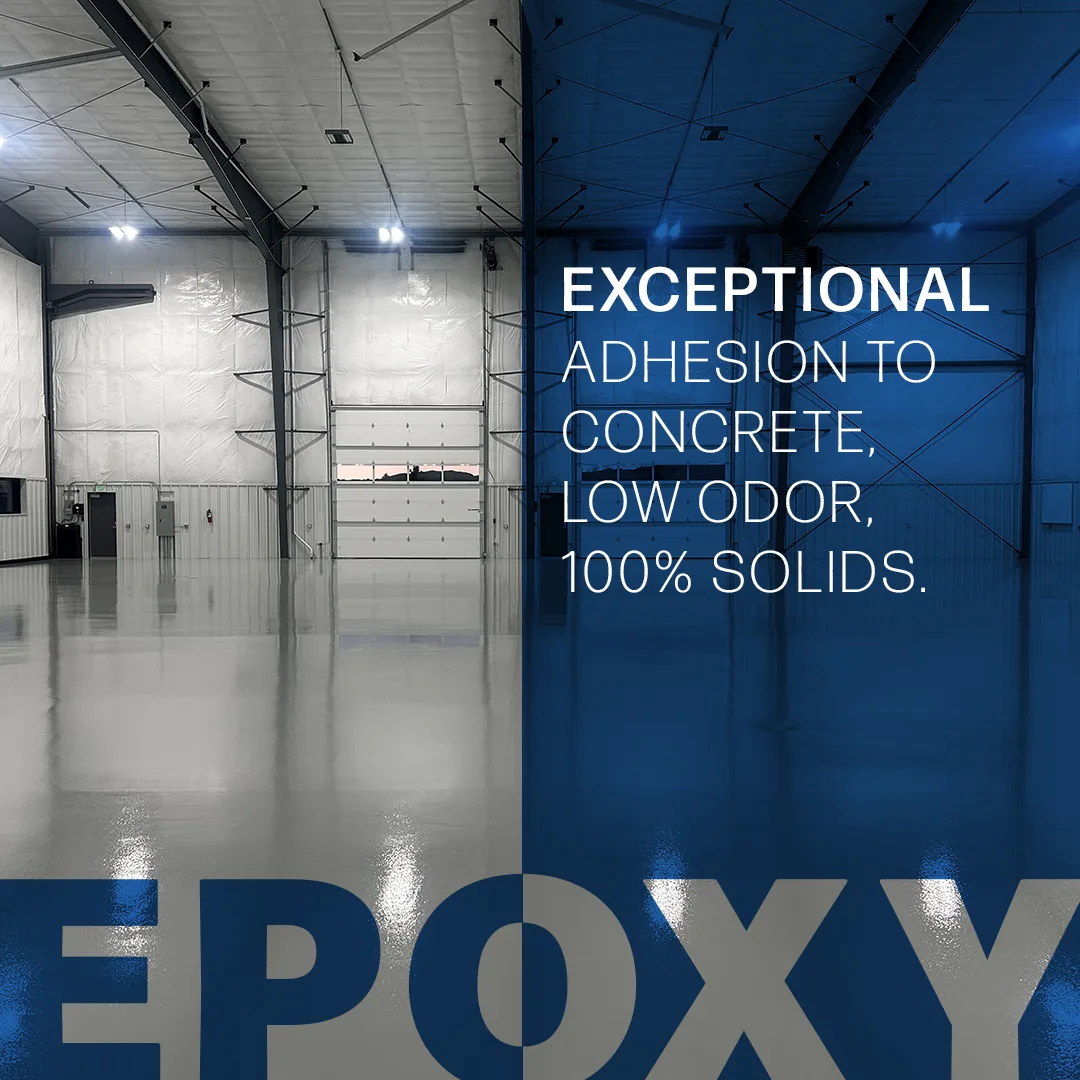
Epoxy primers are naturally more tolerant of moisture vapor transmission and alkalinity. Their slower cure profile allows them to wet out and penetrate the concrete surface more effectively, creating a deeper mechanical and chemical bond.
Polyaspartic, on the other hand, cure extremely fast. That speed can become a disadvantage directly over concrete because the material has less time to penetrate the substrate before reaction and film formation begin.
More importantly, Polyaspartic’ s are moisture sensitive and should never be placed direct to bare concrete. When polyaspartic comes into contact with elevated moisture vapor or damp concrete, several issues can occur:
- Bubbling or outgassing
- Loss of adhesion
- Pin holing
- Surface defects
- Premature delamination
This is why experienced installers generally avoid placing polyaspartic directly onto bare concrete.
Summary: While polyaspartic urethane has its place, being a primer in a one-day resinous flooring installation is an application that should never be attempted.
Conclusion: Making the Right Choice
While epoxy flooring remains a staple in many industrial settings, broader resin flooring options offer targeted benefits for diverse conditions. Understanding the differences between epoxy and other resin types ensures optimal performance, longevity, and compliance. By considering environmental factors, substrate conditions, and intended use, stakeholders can confidently select a flooring system tailored to their unique operational needs.
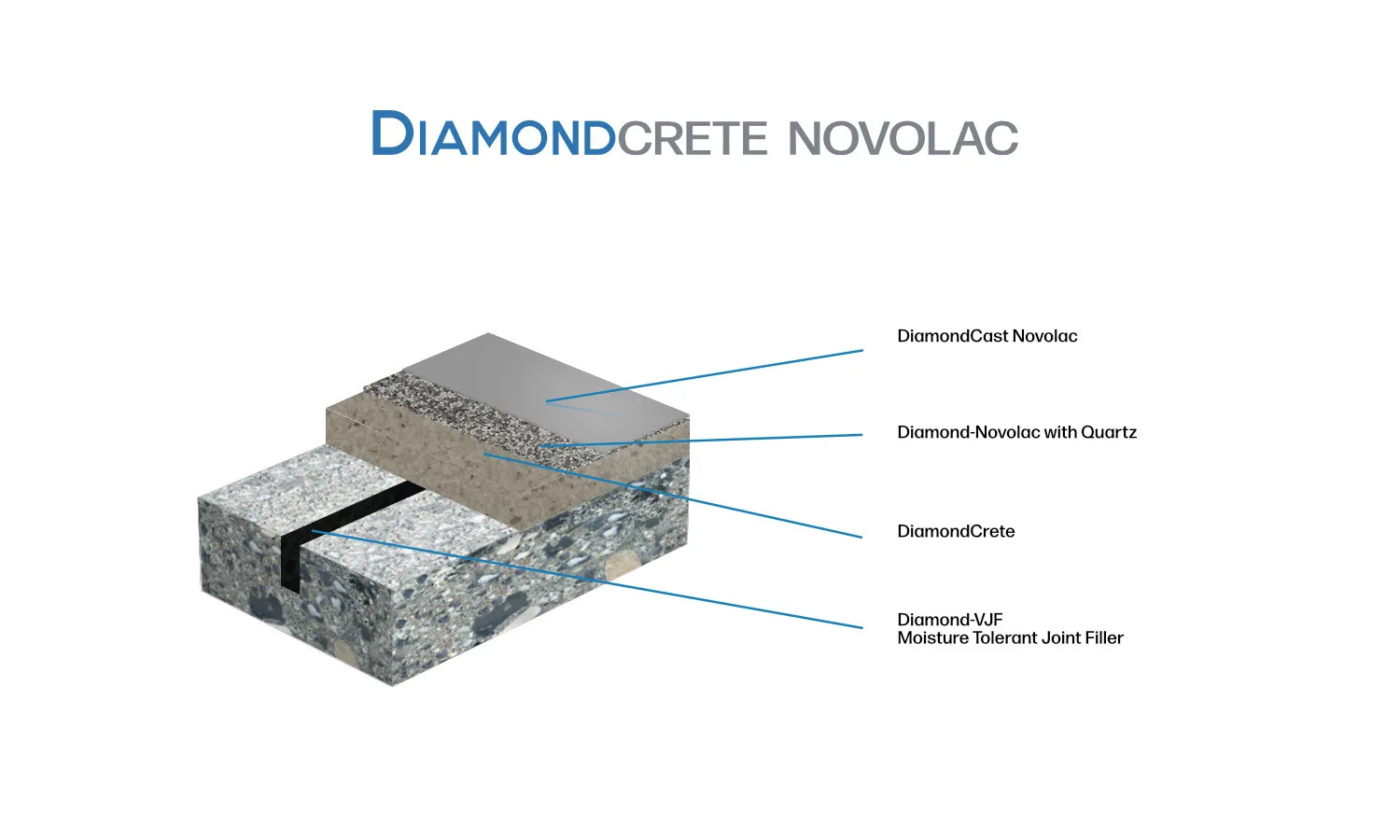
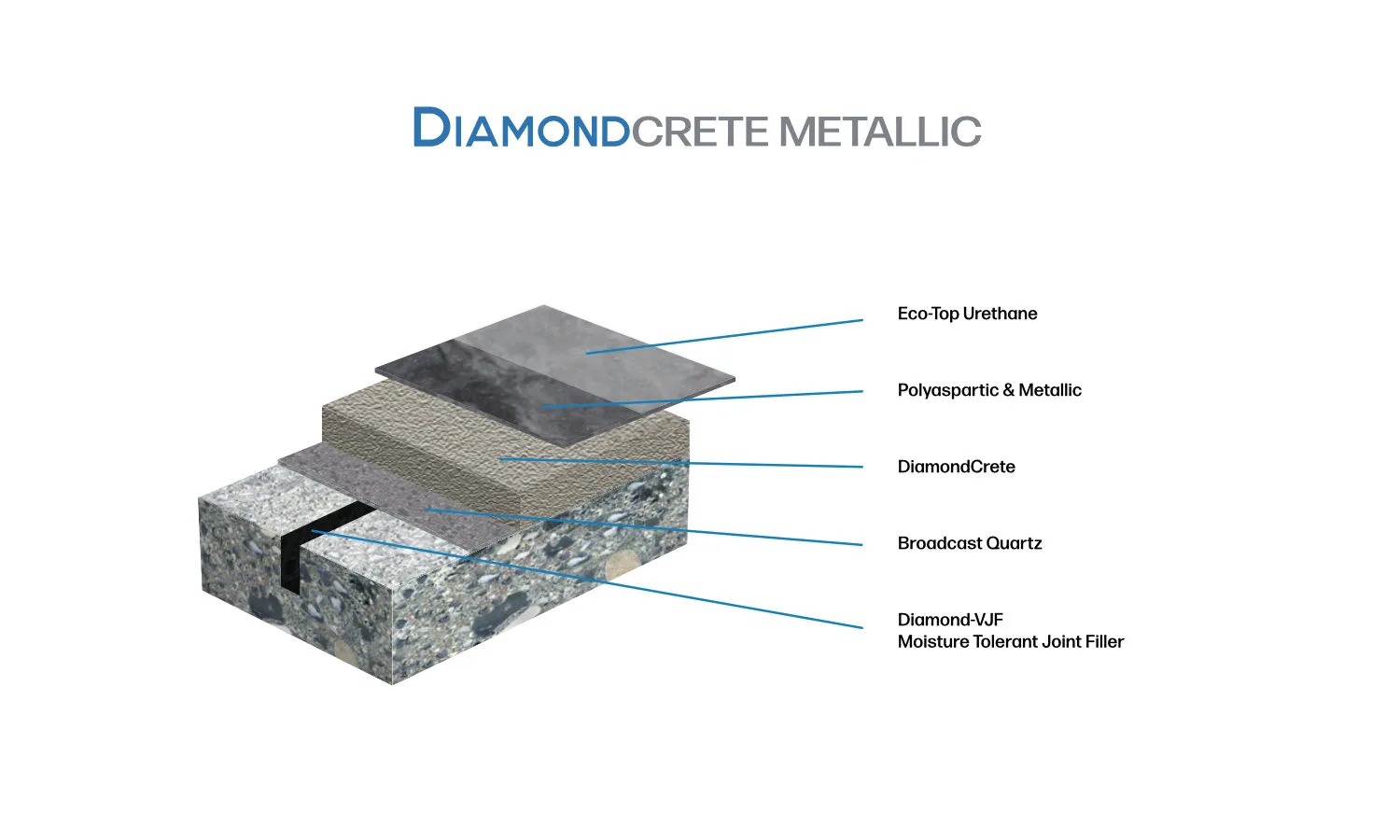
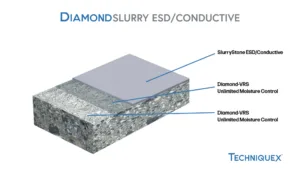
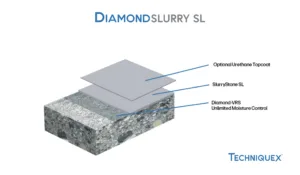
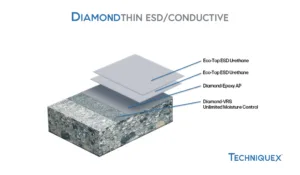
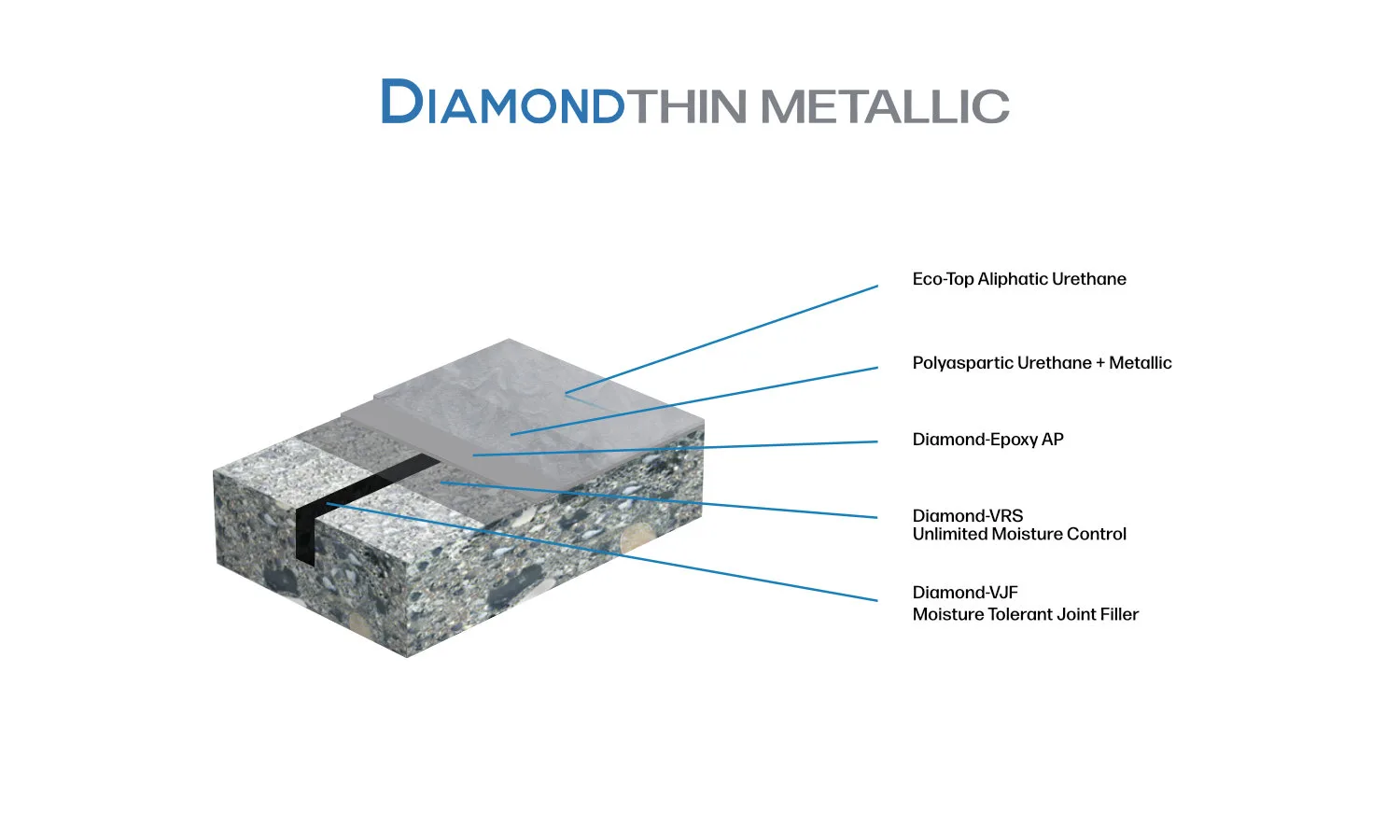
For industry-leading performance and installation excellence, refer to systems in the DiamondStone line from Techniquex—engineered for durability, beauty, and compliance in every environment.

Still Unclear Which is Your Facility Solution?
Get a complimentary consultation from the most trusted resinous flooring contractor.