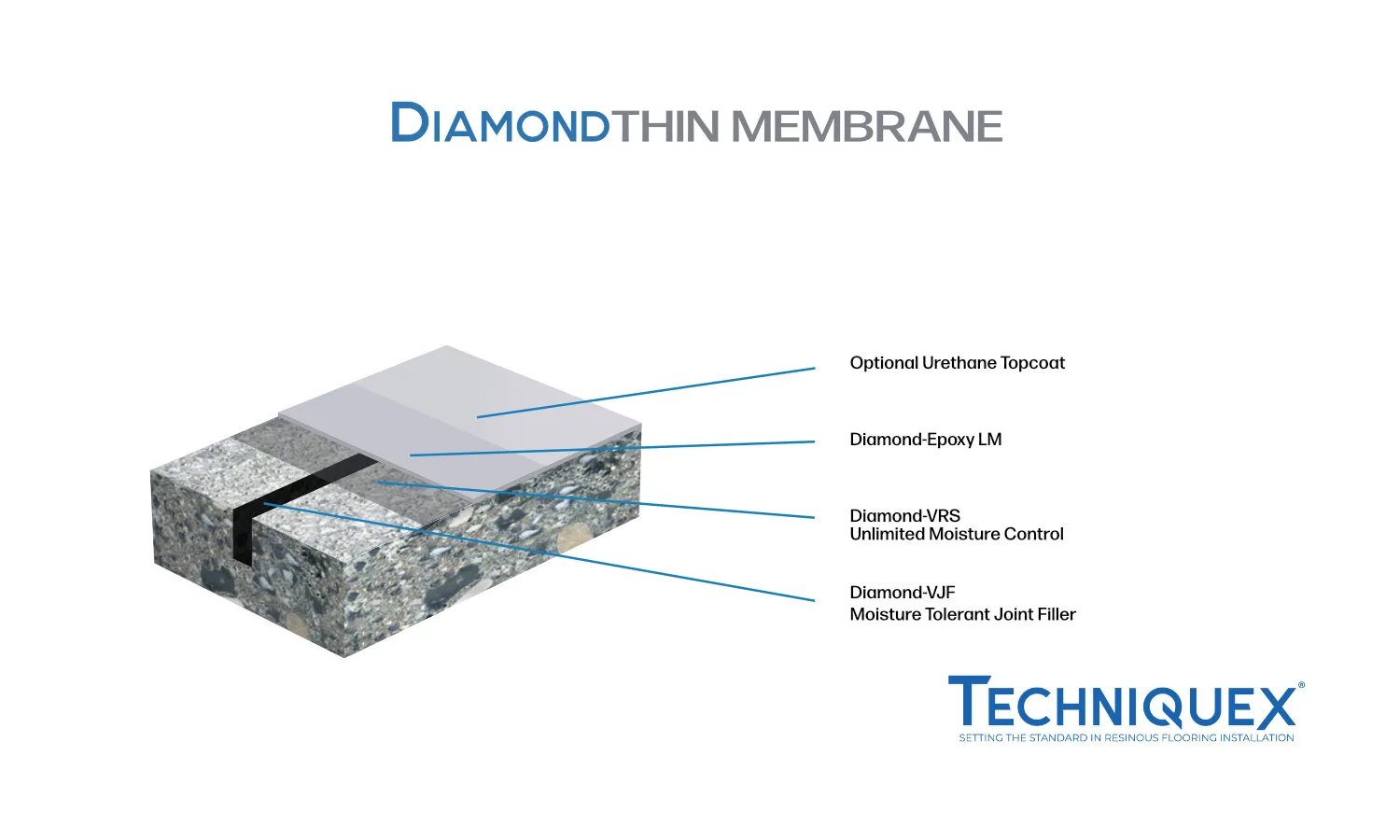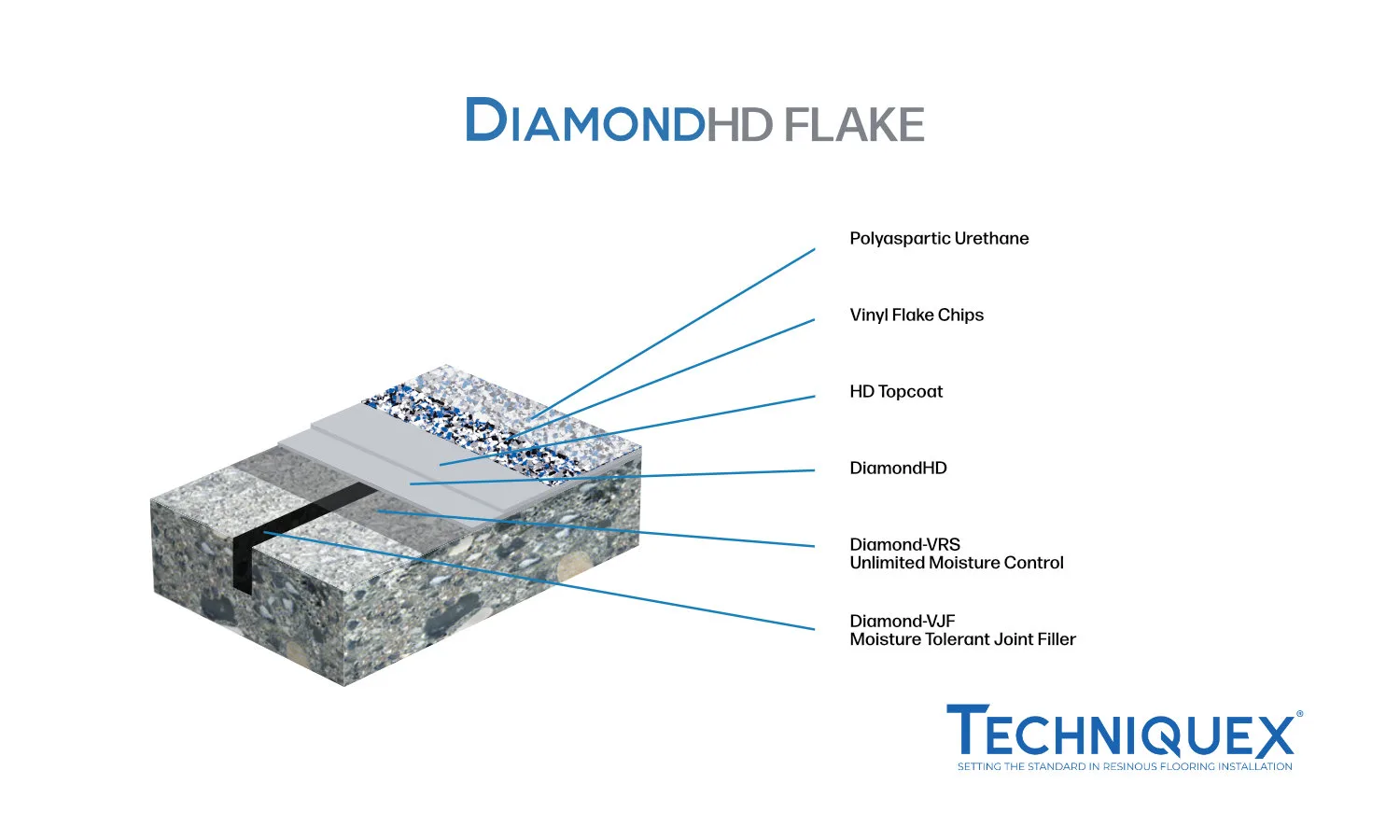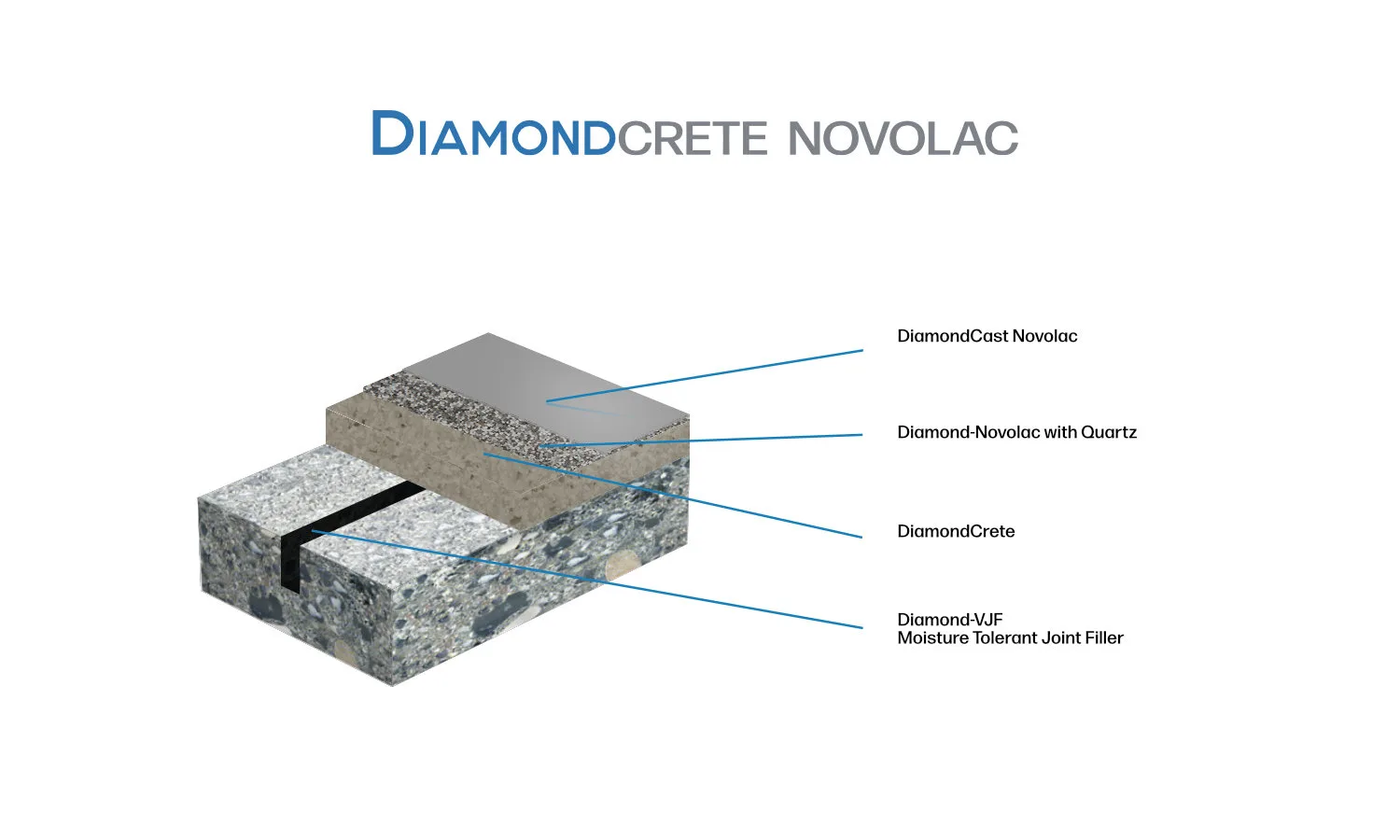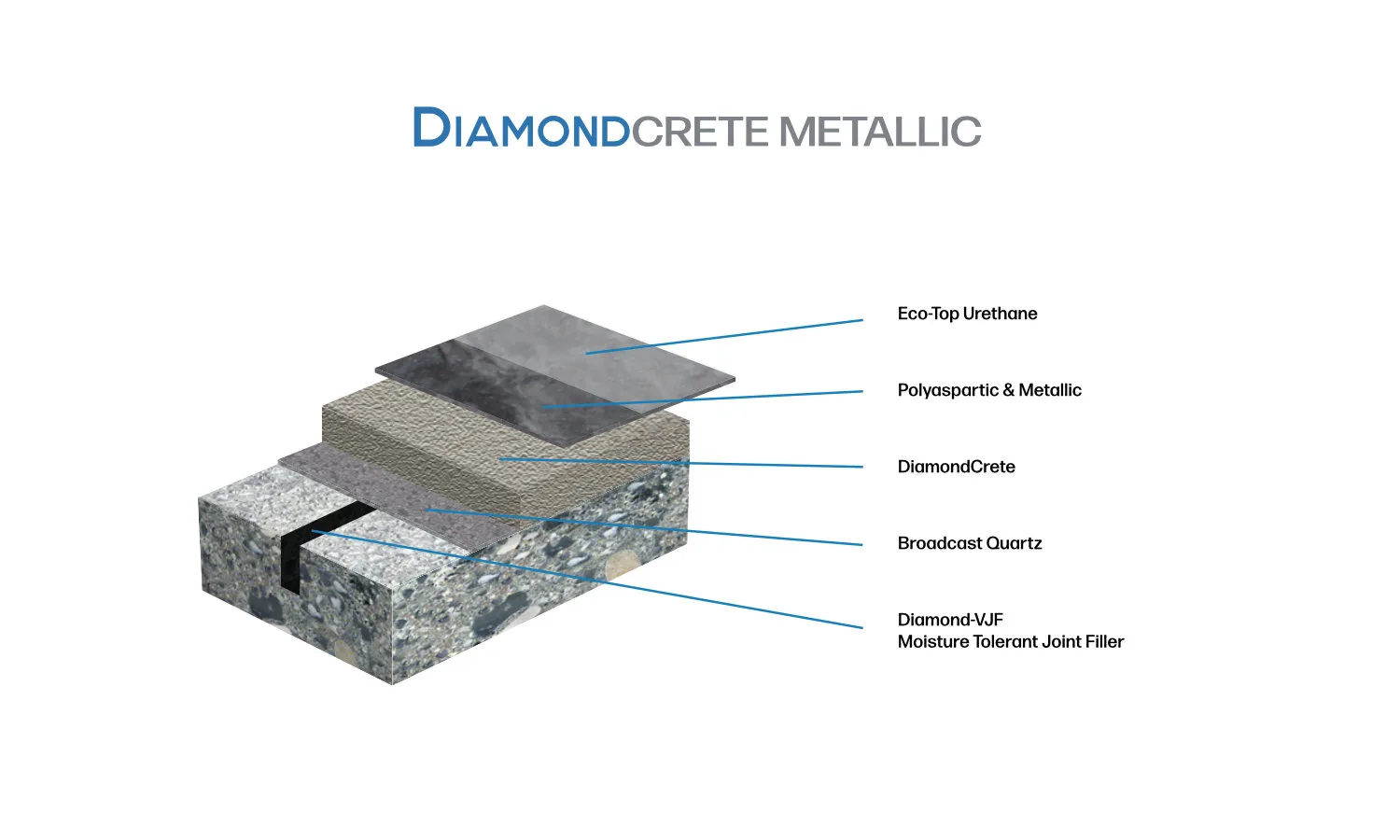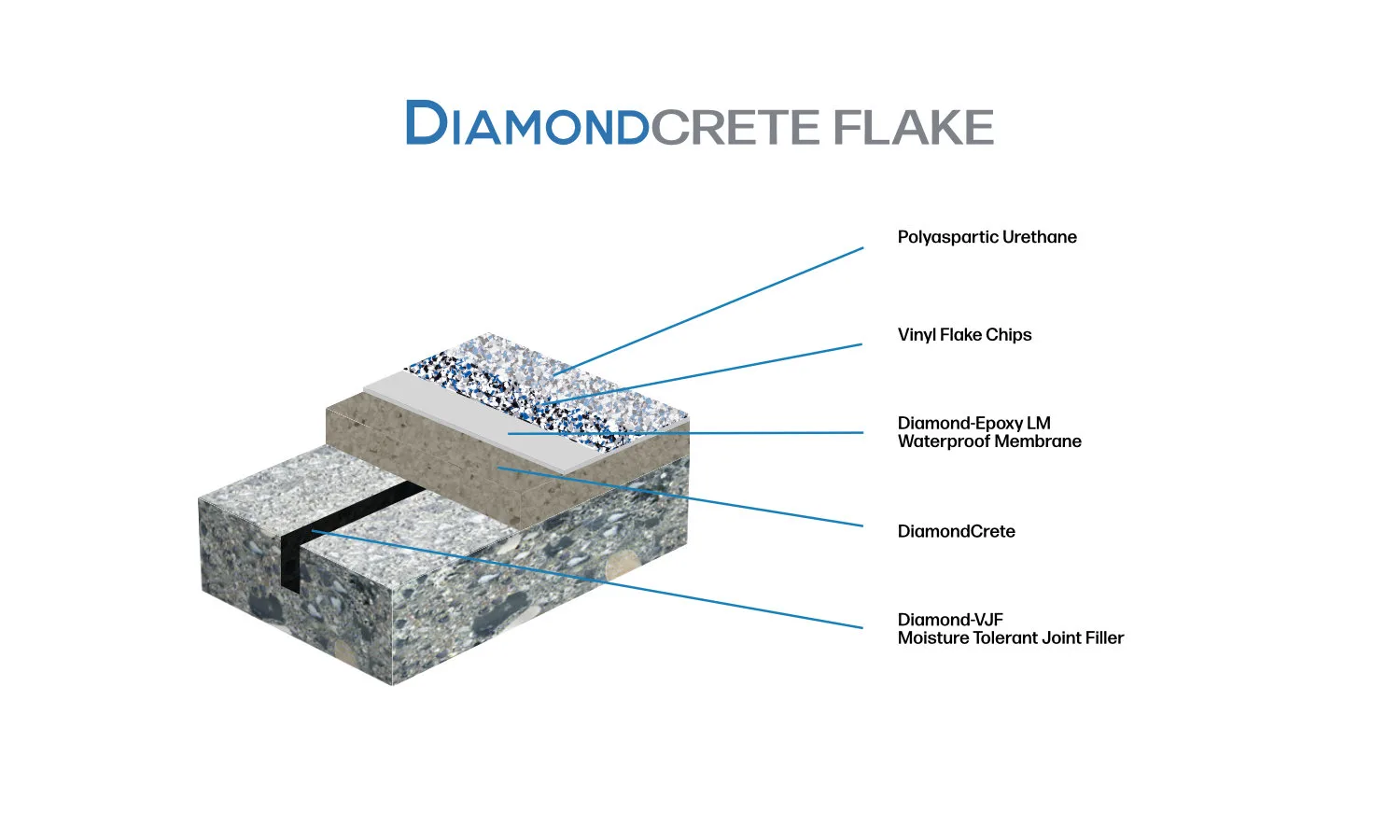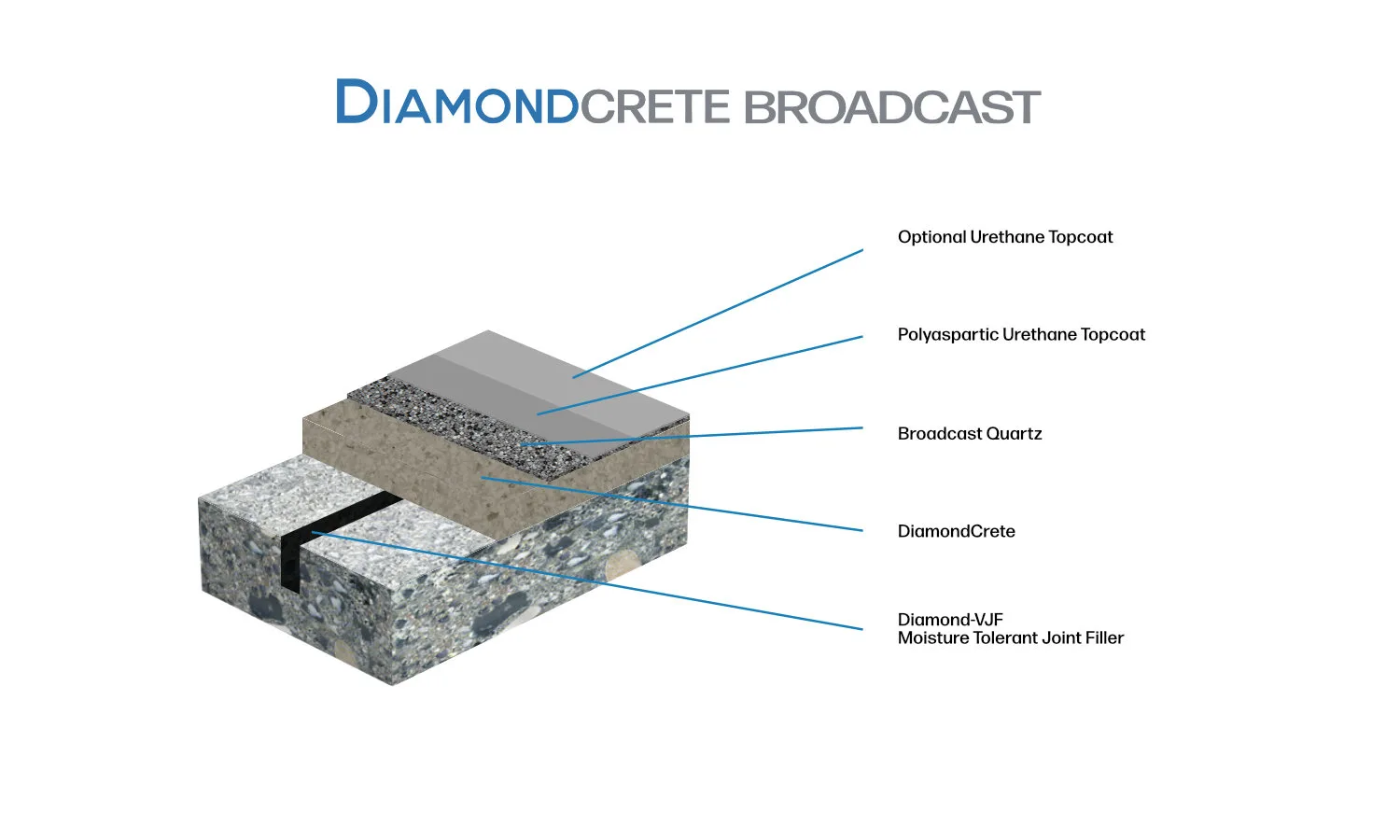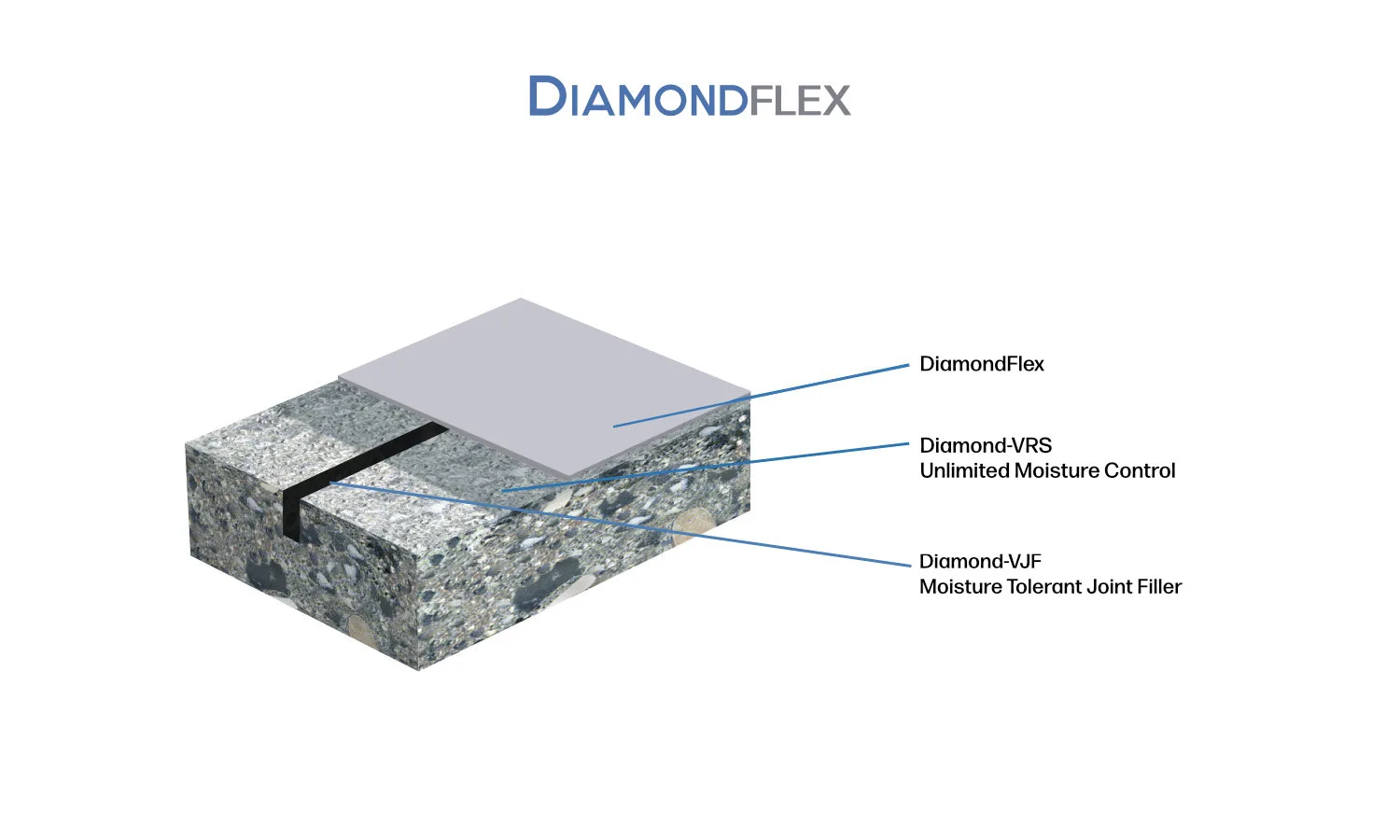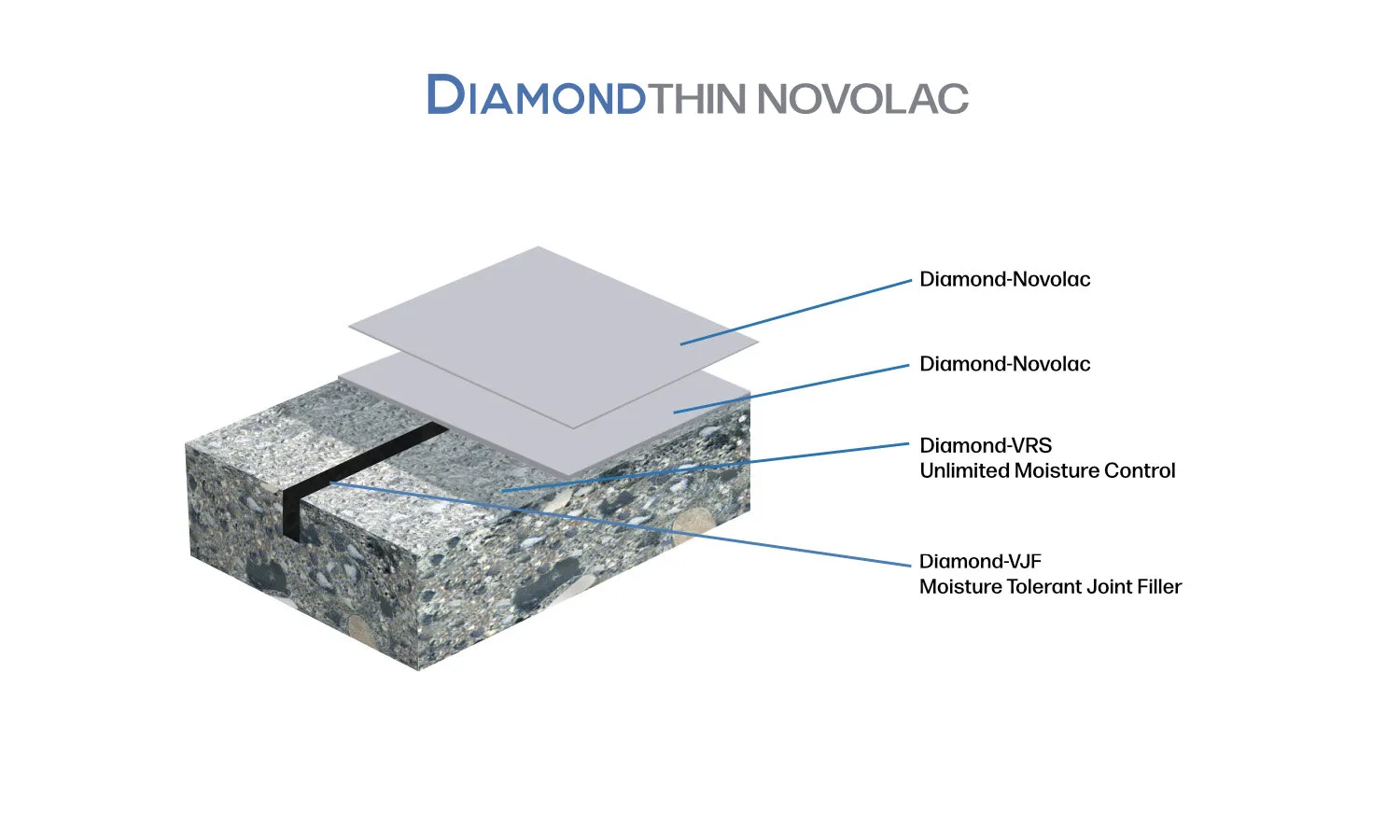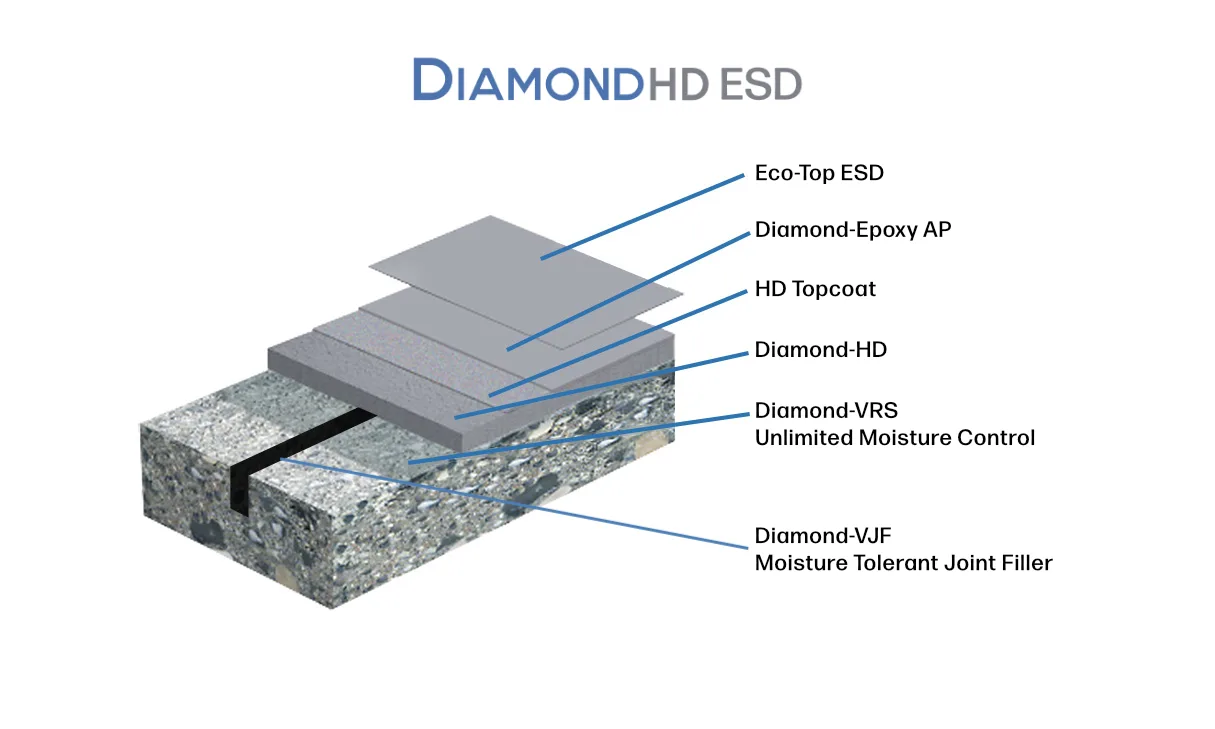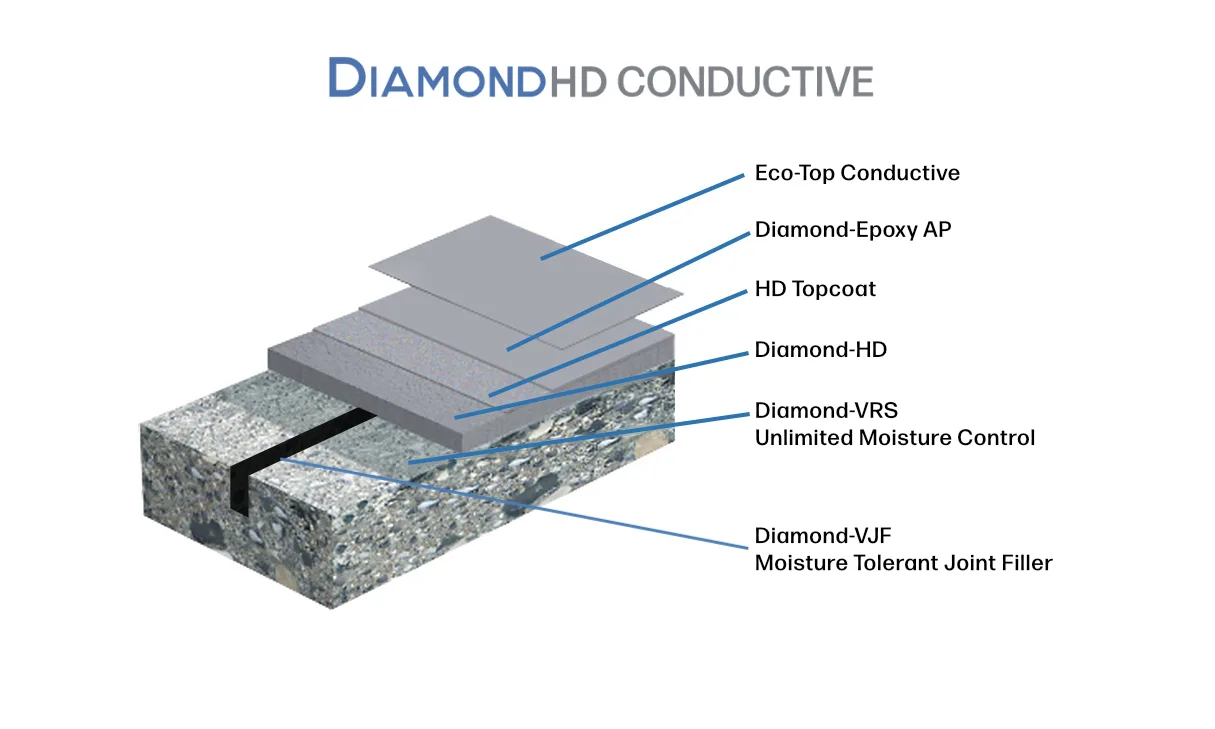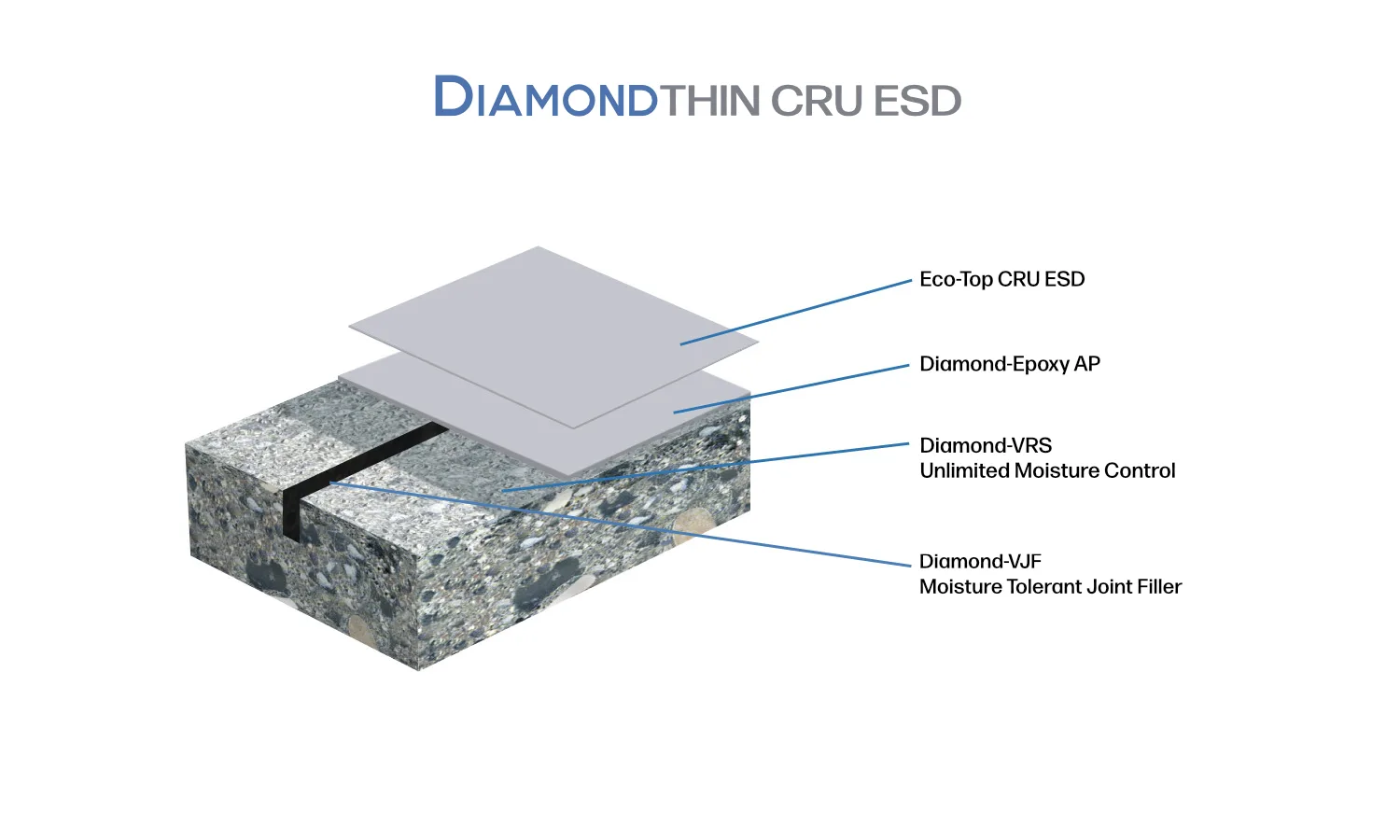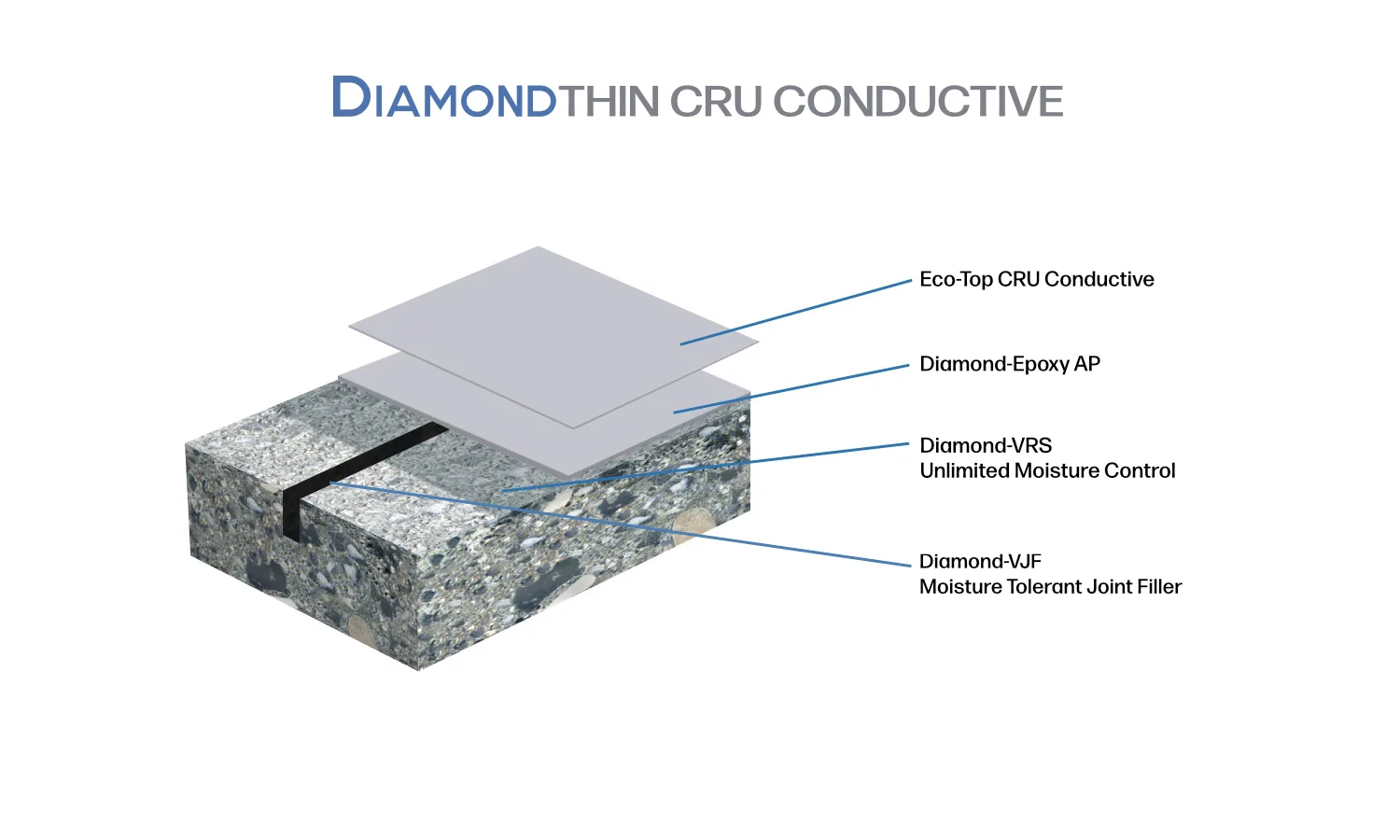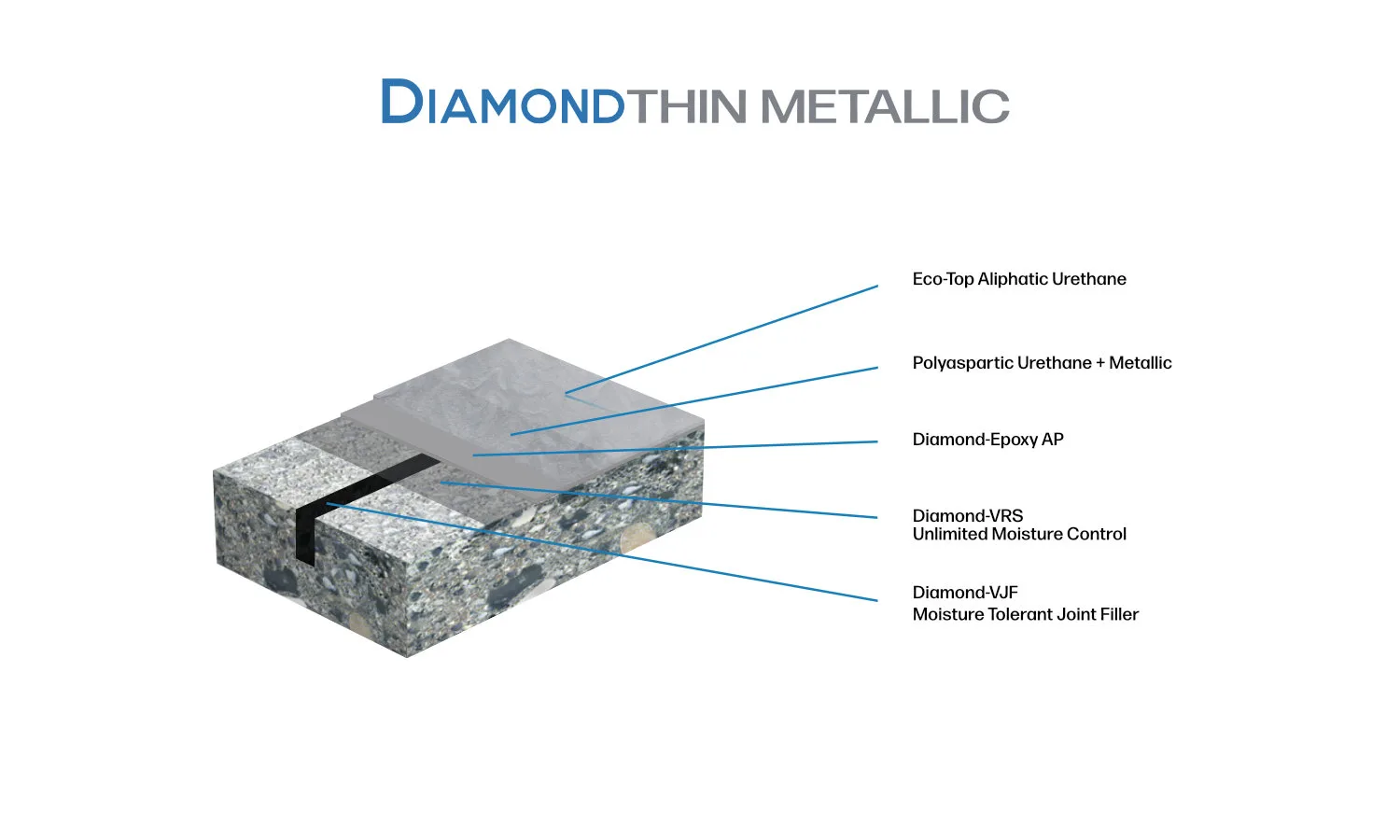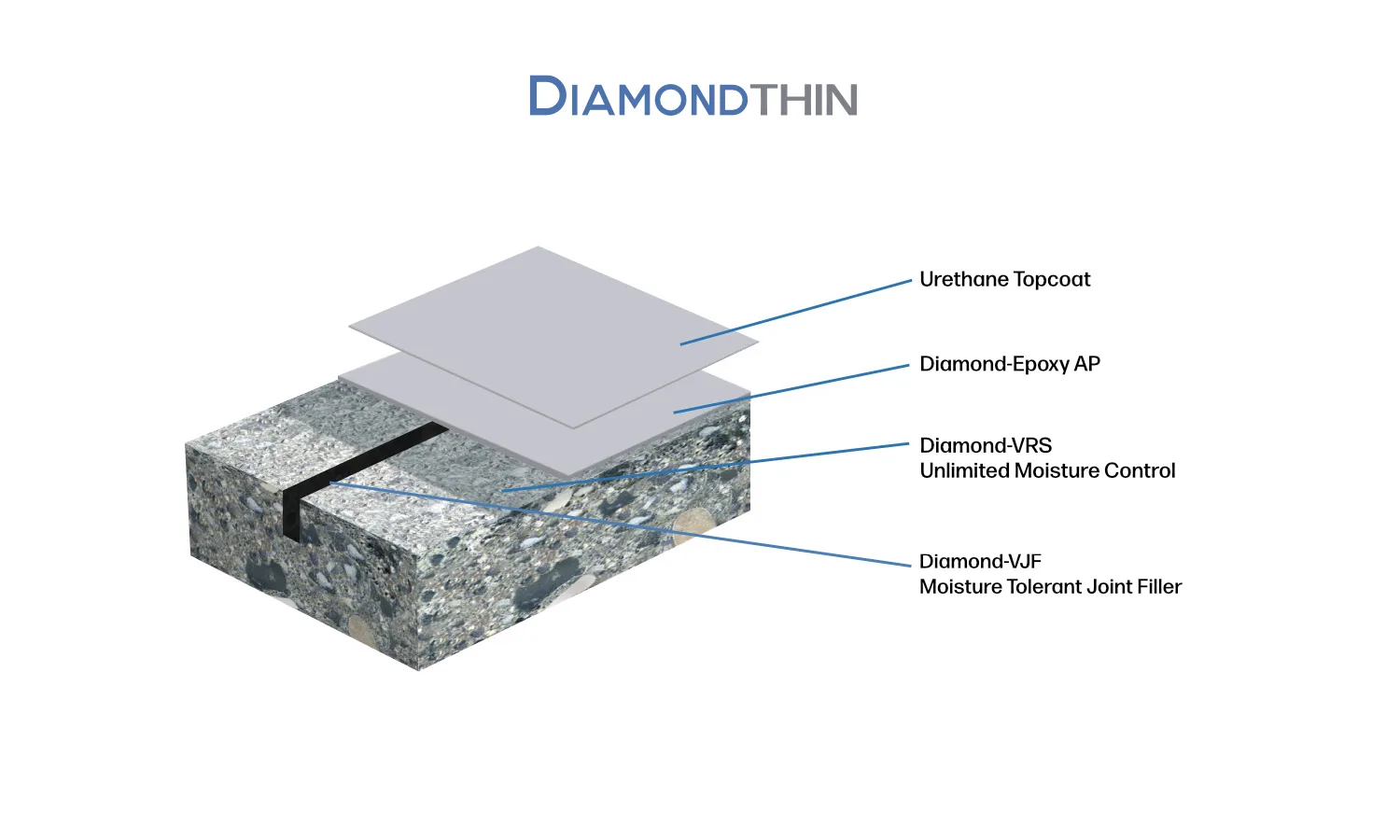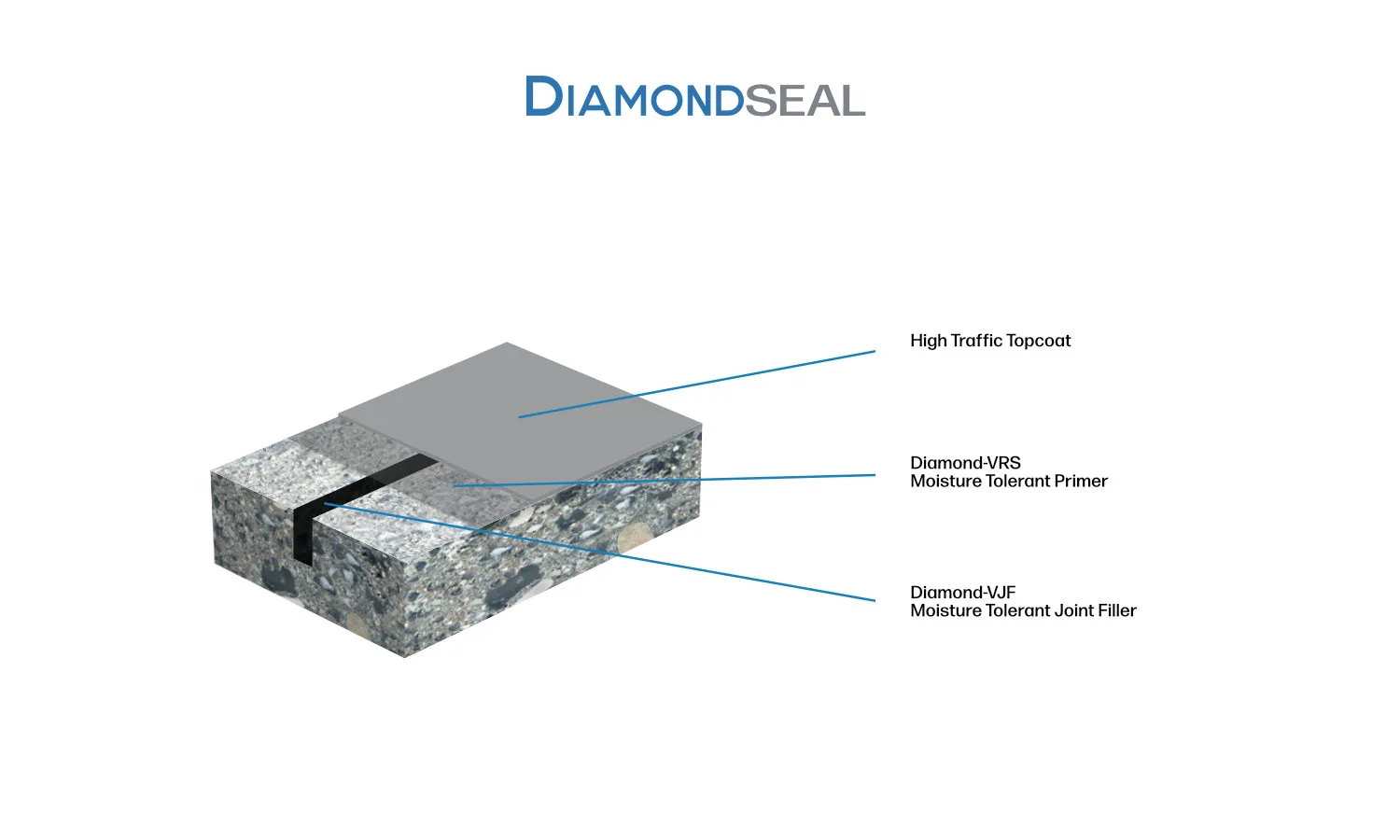
A seamless appearance is desirable. Long-term performance is essential!
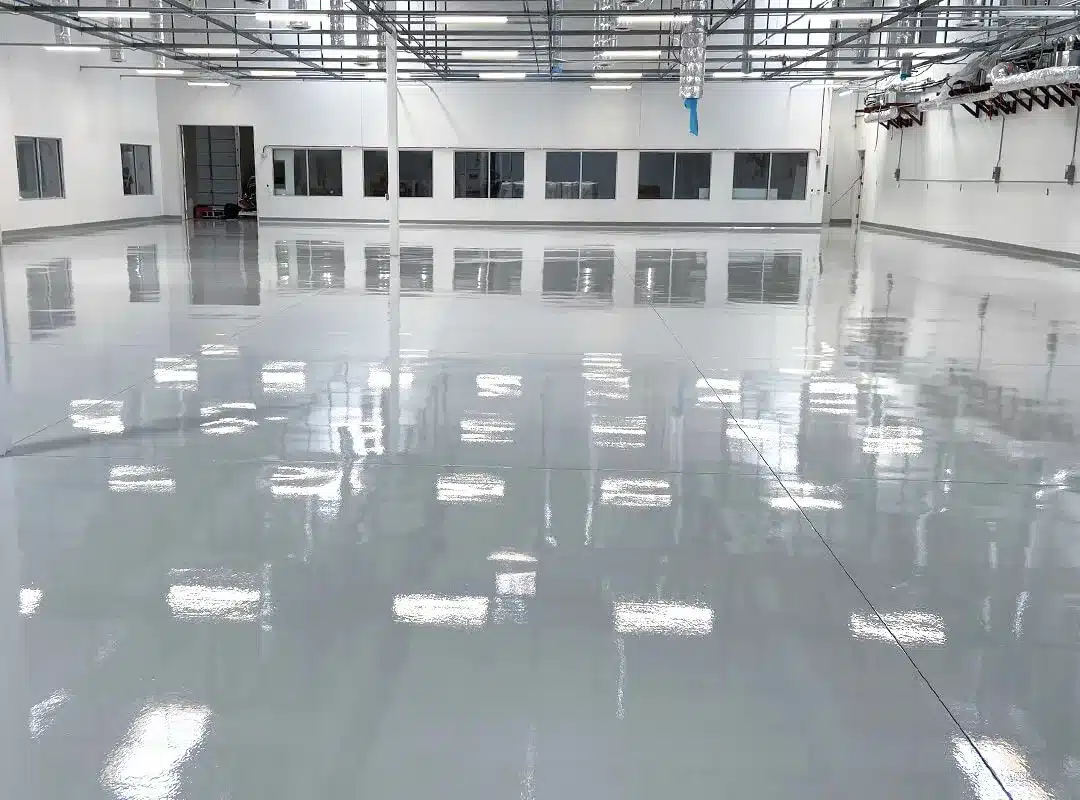
Clients often ask us for a resinous floor with no visible joints, especially in aircraft hangars. We understand the appeal: a clean, uninterrupted surface makes an impressive statement. But covering a concrete joint does not stop the concrete from moving. When that movement reaches the surface, a floor that initially looked seamless can develop a visible crack. That is why Techniquex recommends honoring control joints where continued movement is expected.
This discussion applies specifically to control joints, also called contraction joints. Other joint types require their own evaluation and treatment.
What does a control joint do?
Concrete changes dimensions as it dries and as temperature and moisture conditions change. A control joint creates a deliberate weakened plane that encourages cracking to occur along a planned line instead of randomly across the slab. The joint serves a purpose throughout the flooring installation. Hiding it beneath a coating does not eliminate that purpose.
When can a monolithic finish work?
A properly designed and constructed slab in a consistently temperature-controlled building offers better conditions for a continuous finish over selected control joints. Bringing the building and slab to their intended operating temperature before installation helps reduce the movement associated with the initial heating or cooling of the space. Some joint-filler manufacturers recommend stabilization for approximately seven to fourteen days or longer before installation. However, that conditioning period does not end drying shrinkage or eliminate movement from future temperature changes.
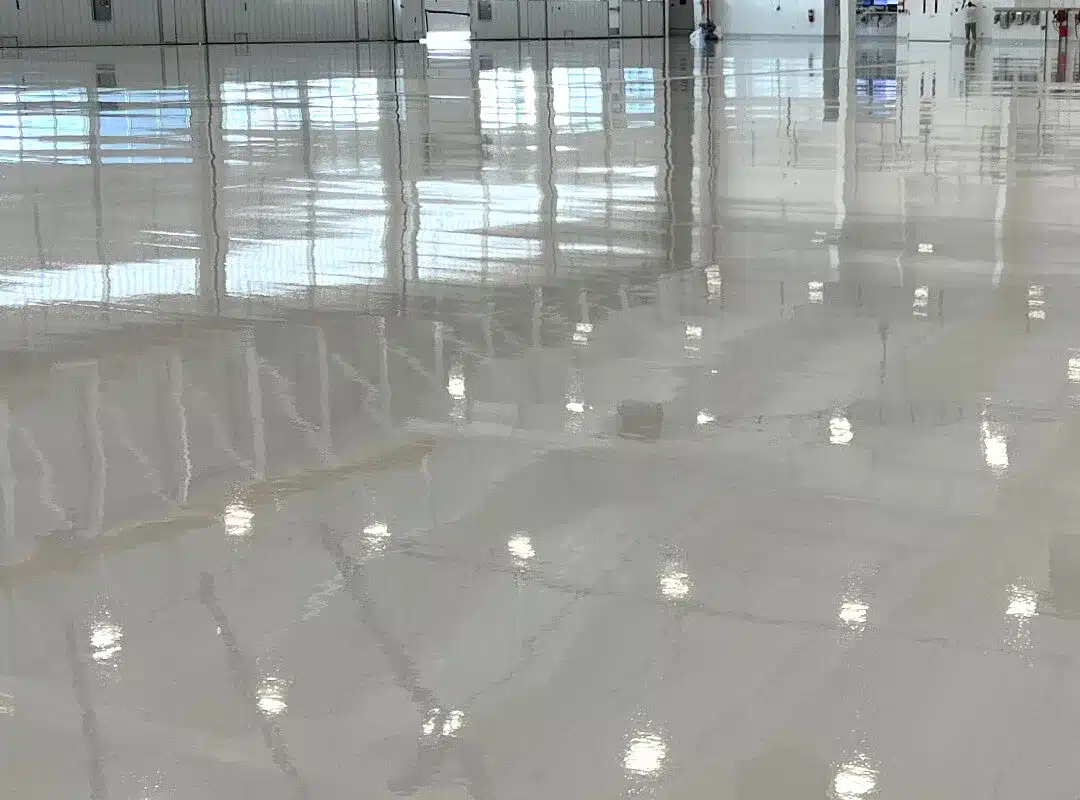
Where control joints are demonstrably stable, an appropriate manufacturer-approved treatment may allow a monolithic finish. That decision should consider the slab’s age, movement history, operating conditions, and the flooring system, not appearance alone.
Why are aircraft hangars different?
Opening a hangar door is effectively like removing one wall of the building. The floor becomes exposed to outside air and, depending on the building’s orientation, direct sunlight. Repeated exposure can change slab temperatures, particularly near the opening. A hangar with heating or air conditioning may still experience substantial temperature variation during normal operation. For that reason, our recommendation for hangars is to honor the control joints through the finished flooring.
Conventional rigid epoxy flooring has limited ability to accommodate movement concentrated at a narrow joint. If the joint opens beneath a continuous coating, that movement can produce a crack along the joint line.
What does “honoring the joint” mean?
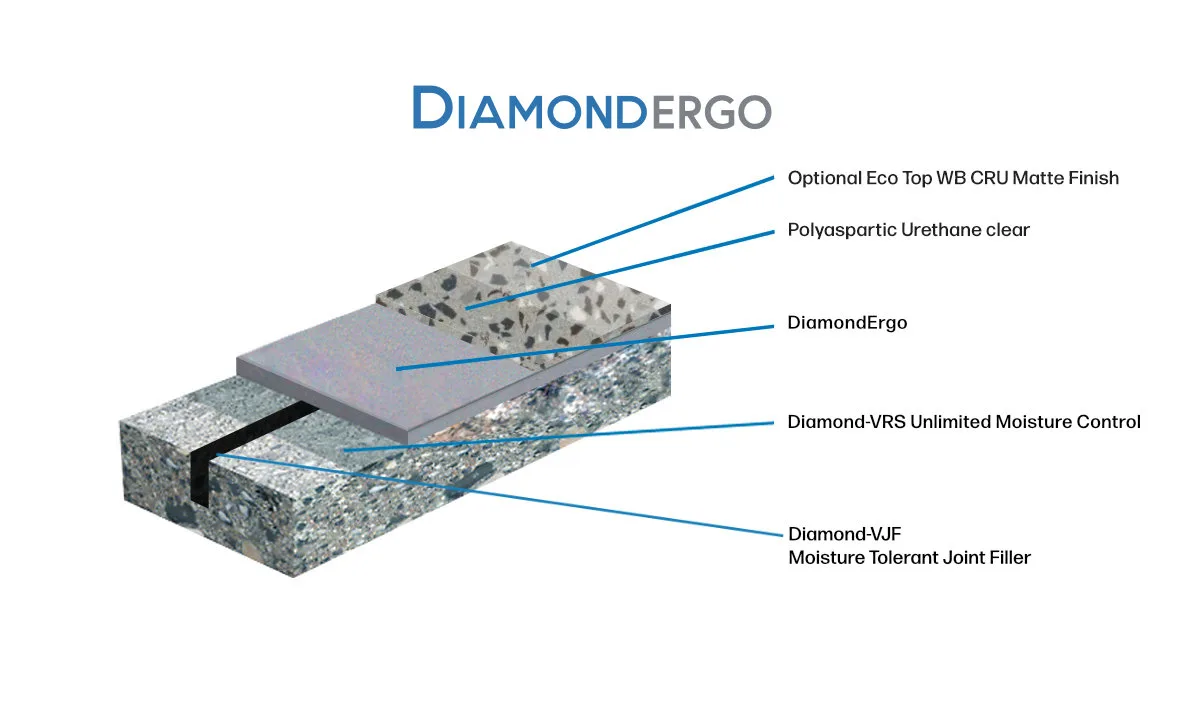
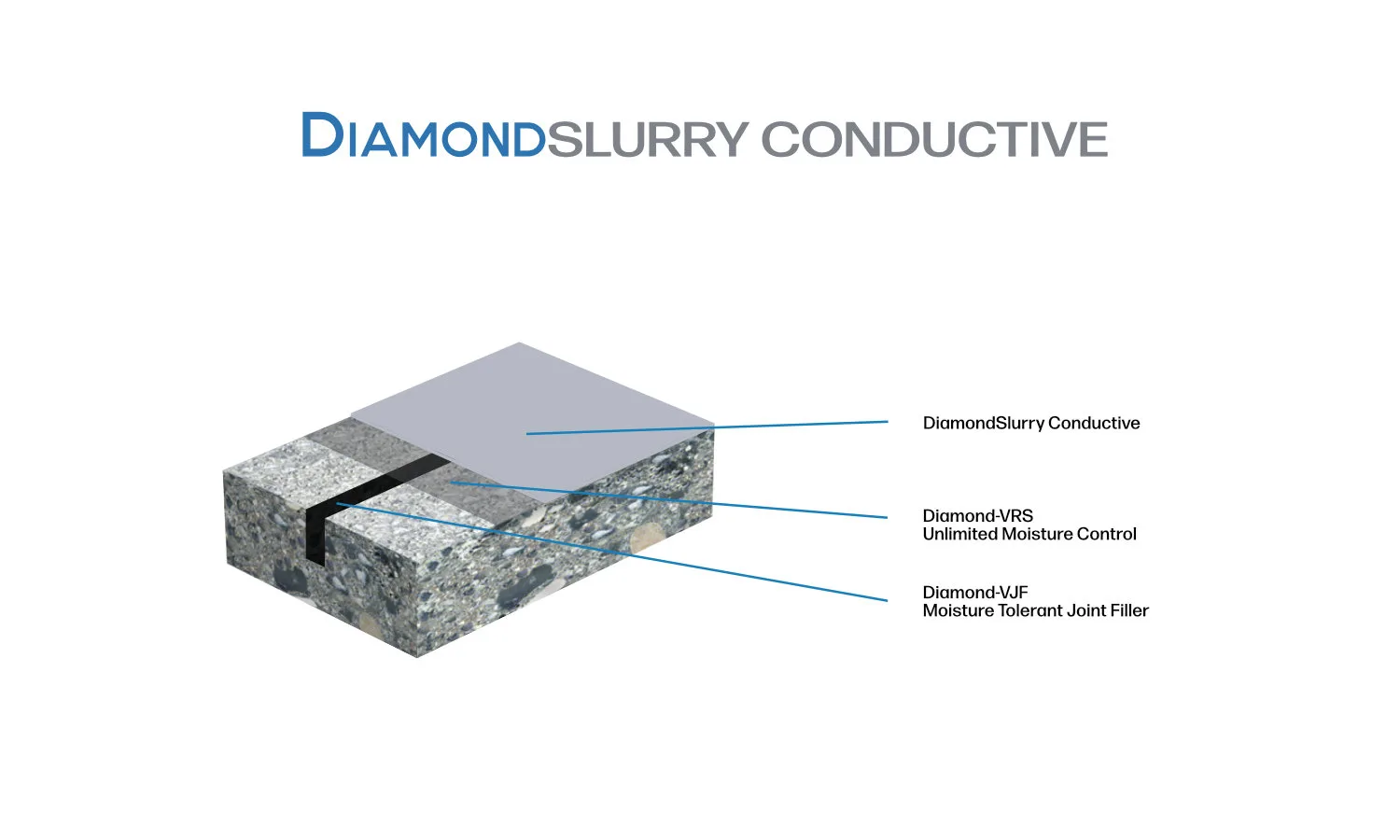
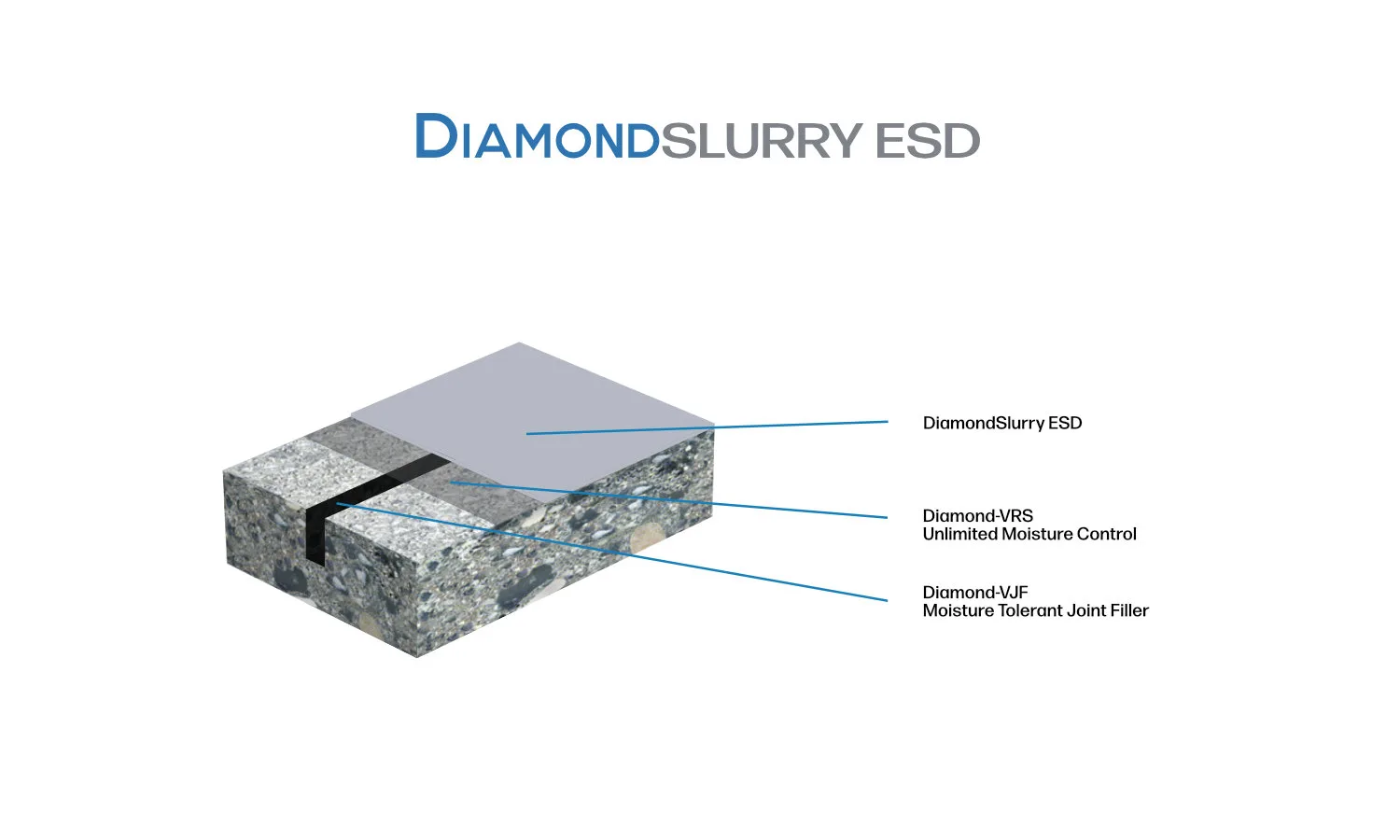
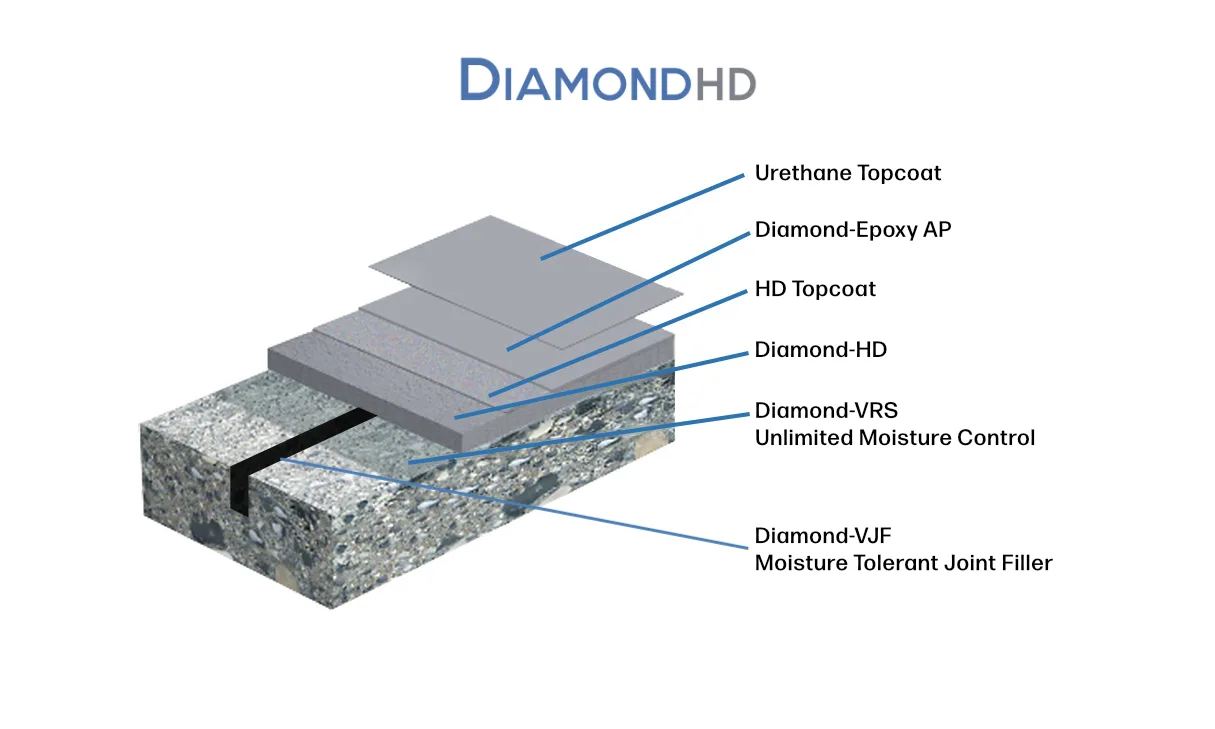
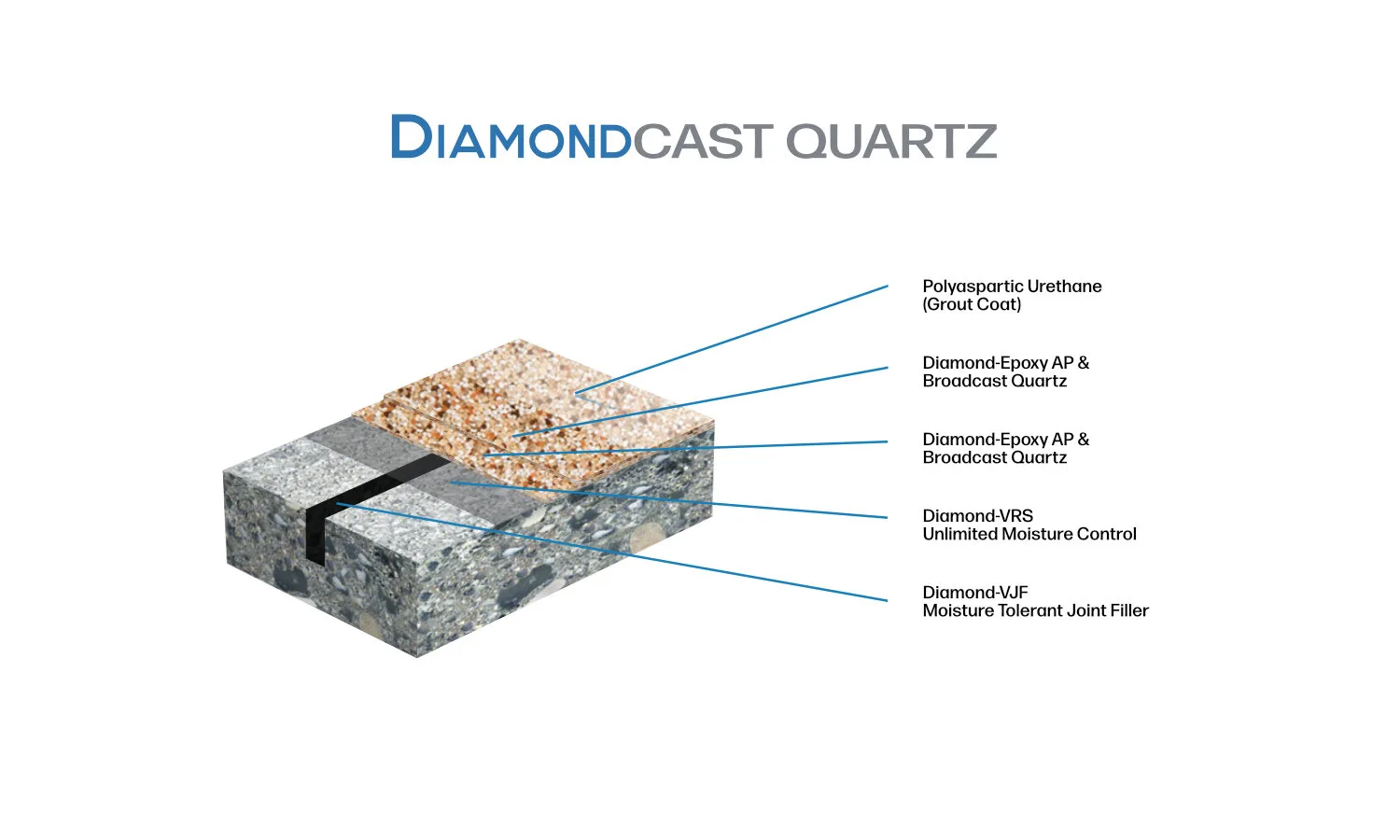
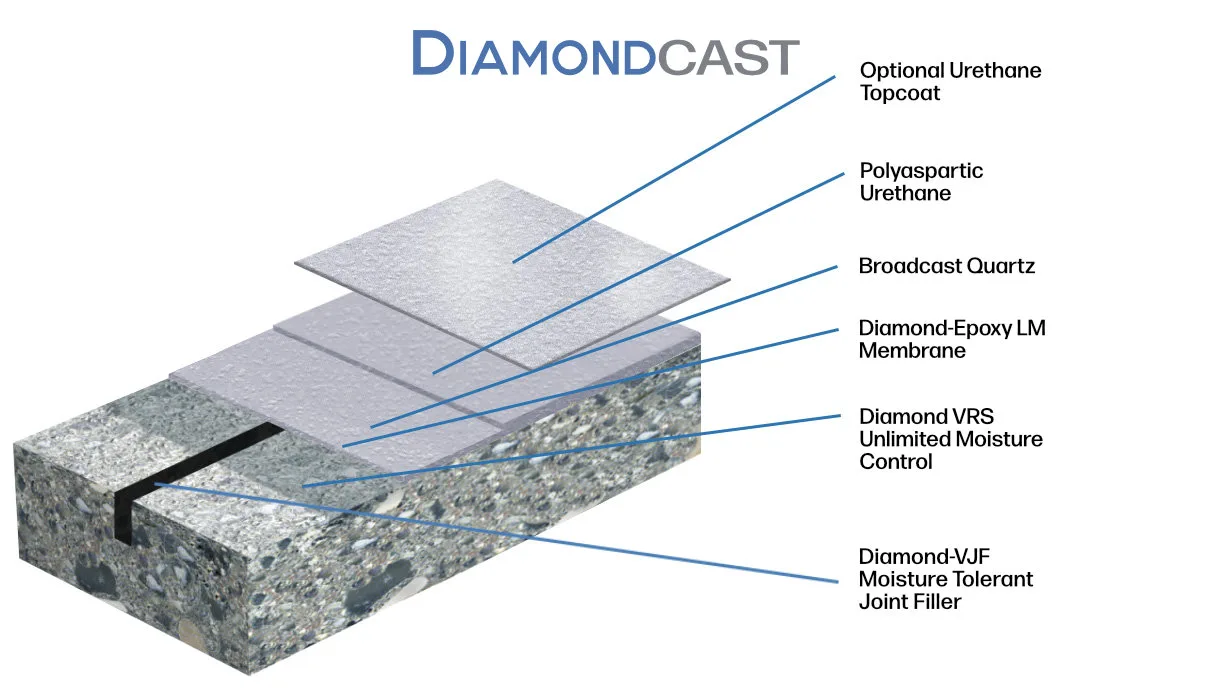
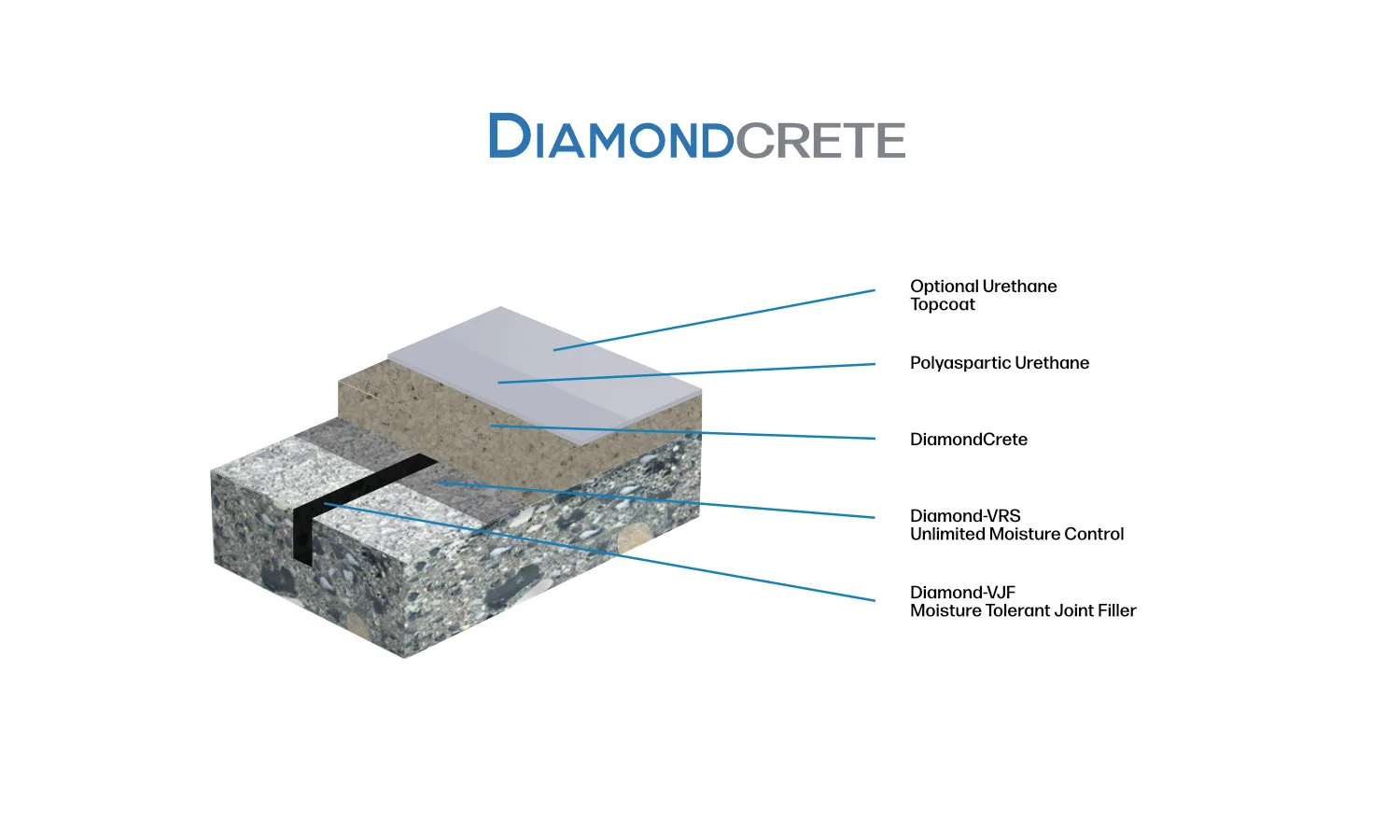
Honoring a control joint means carrying its location through the finished flooring and treating it as an intentional part of the floor.
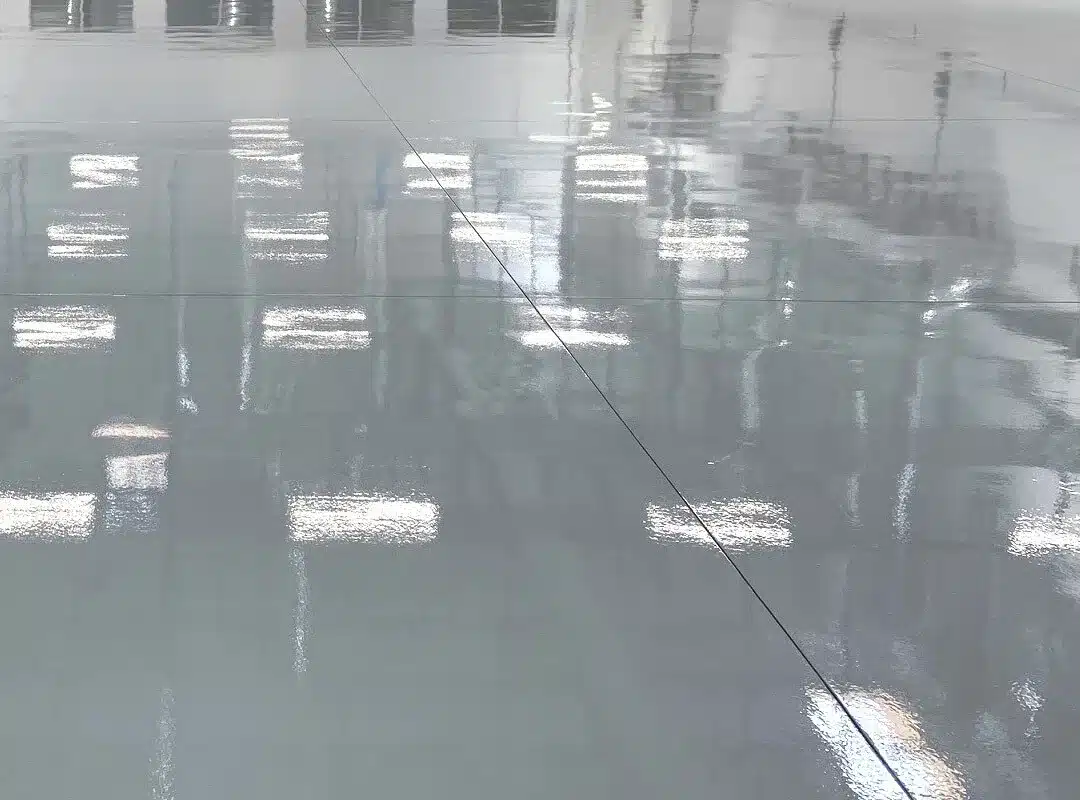
Our typical process includes:
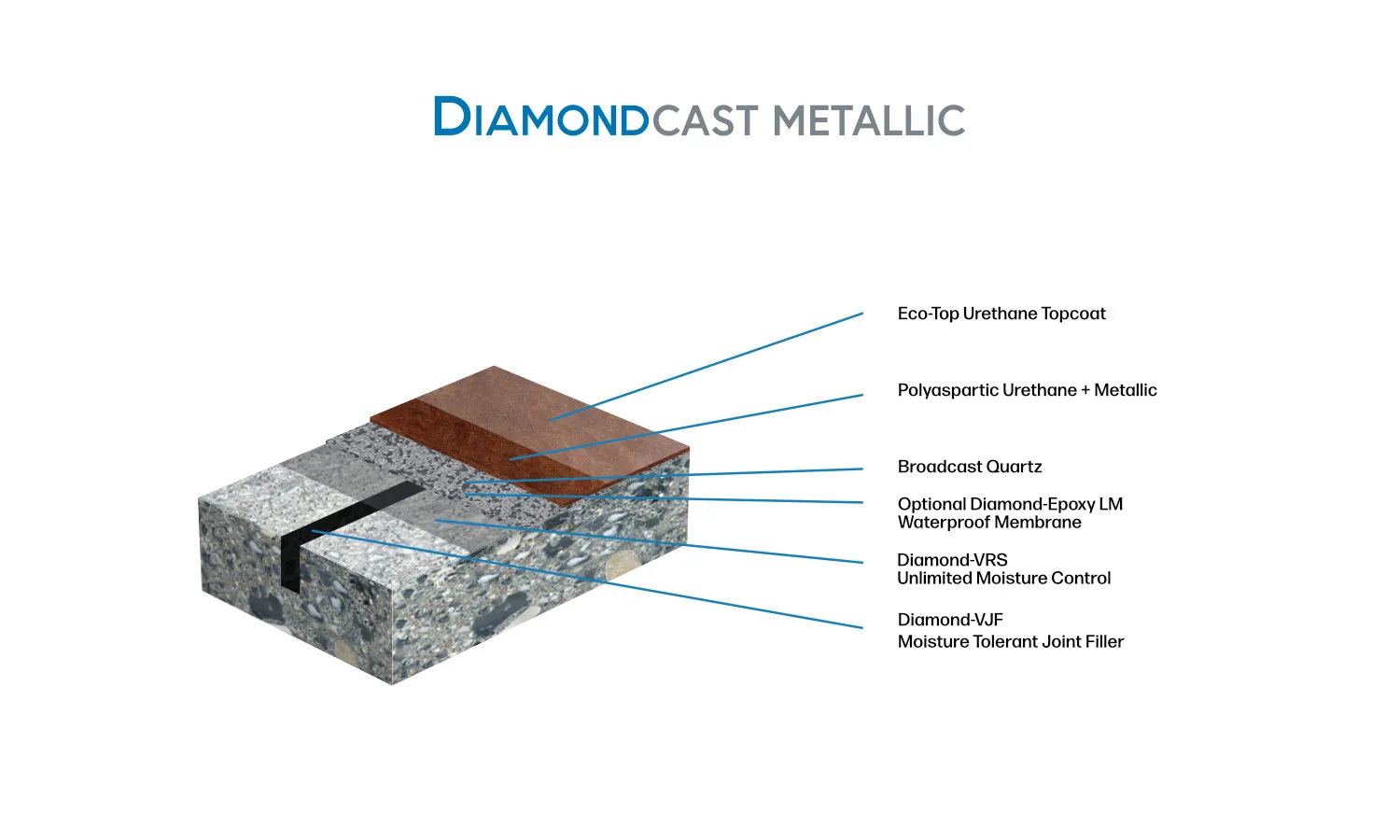
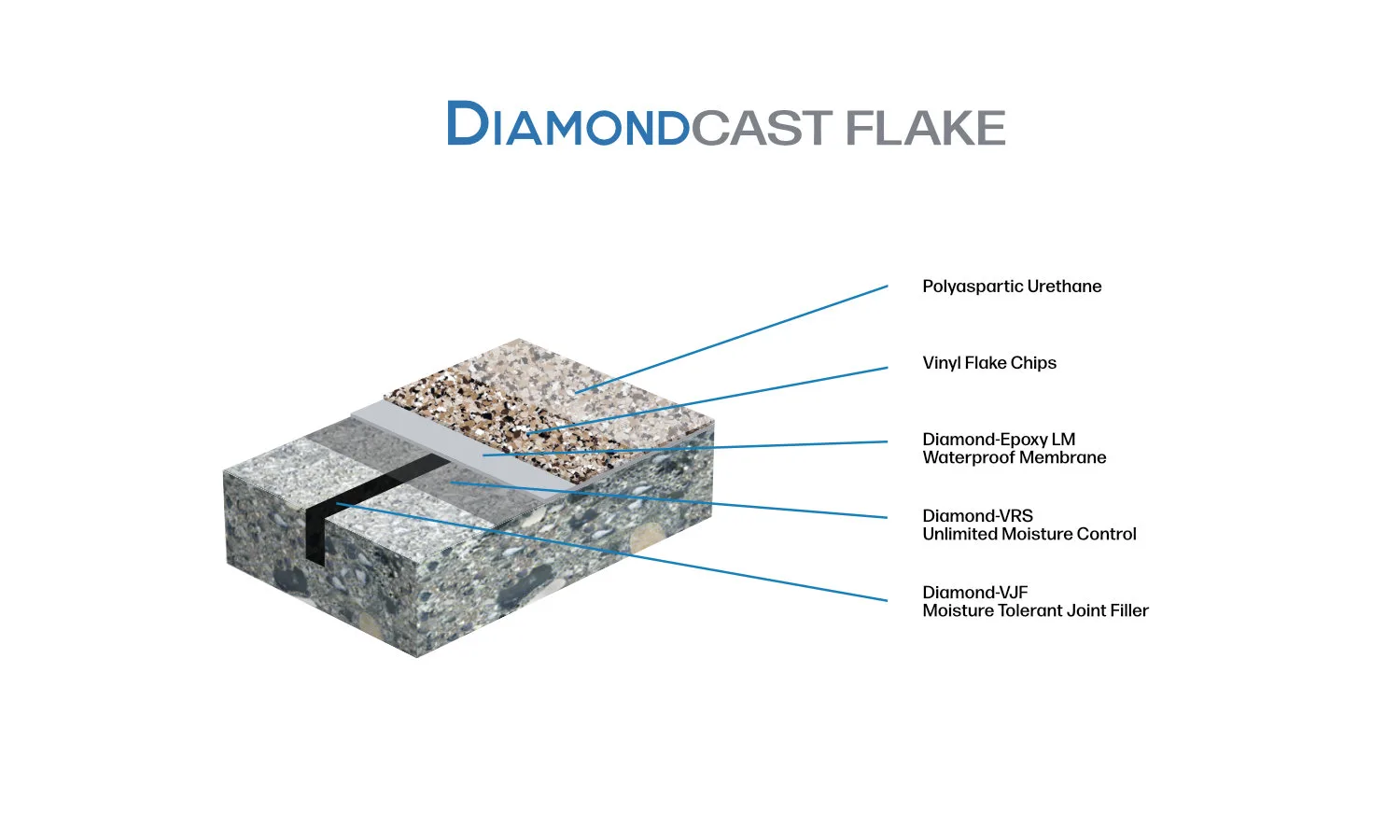
- Locate and document the existing control joints before installation.
- Mechanically clean and prepare the joints, addressing damaged edges where necessary.
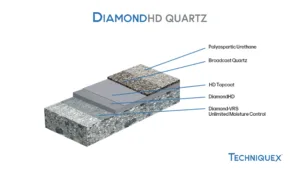
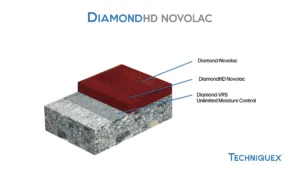
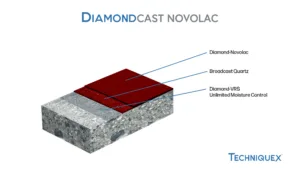
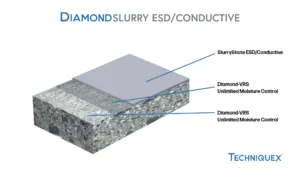
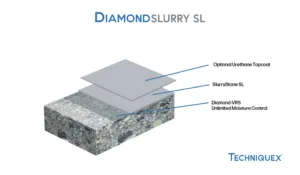
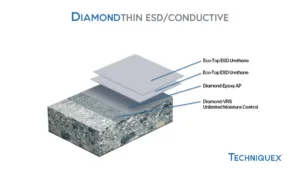
- Install the specified resinous flooring system.
- Re-cut the flooring directly over the original joint.
- Clean and vacuum the joint thoroughly, then mask the edges as needed for a clean finish.
- Install the selected joint filler to the manufacturer’s required depth and finish it flush with the surrounding floor.
The result is a neat, deliberate line that can be coordinated with the floor color. This approach reduces the risk of movement cracking the coating over the joint. It also creates an accessible location for future joint maintenance.
Why do we often recommend a semi-rigid epoxy filler?
For control joints exposed to heavy rolling traffic, flexibility is only part of the decision. The joint edges also need support. As a wheel crosses a joint, it loads the concrete at the edge. A properly selected and installed semi-rigid filler supports those edges and helps reduce chipping and spalling. A flush, firm joint also provides a practical surface for routine cleaning.
Semi-rigid does not mean unlimited movement capability. If the joint opens beyond the filler’s capacity, the filler can separate internally or pull away from a joint wall. That condition requires maintenance; it does not automatically mean the surrounding flooring must be replaced.
Why not use a flexible urethane caulk?
A quality polyurethane sealant can be appropriate when greater movement accommodation is needed. Products such as 3M 550 Fast Cure is one Techniquex prefers. These fillers are designed for greater elongation and can accommodate the movement found in larger joints. We do not recommend filling joints greater than an inch. Any wider should be addressed with a compression joint.
However, softer sealants generally provide less support under concentrated wheel loads than properly selected semi-rigid fillers. They can also be more difficult to keep clean, particularly when the finished joint becomes recessed or damaged.
The choice involves balancing movement, traffic, cleanability, and chemical exposure. Where substantial movement and heavy traffic occur together, a more specialized joint detail may be necessary. A semi-rigid filler is not automatically the right answer simply because the floor carries heavy loads.
Our recommendation
At Techniquex, we consider how the building will operate long after the flooring installation is complete.
For a stable slab in a consistently controlled environment, a monolithic finish may be an option after evaluation. In hangars and other environments with recurring temperature changes, honoring the control joints is generally our recommendation.
A clean, intentional joint is a better result than an uncontrolled crack.

Still Unclear Which is Your Facility Solution?
Get a complimentary consultation from the most trusted resinous flooring contractor.